Adrenal Insufficiency

Introduction

The human body contains a variety of endocrine glands that secrete various hormones, each with a unique function. To maintain the body’s normal physiological state, each hormone must be present in sufficient amounts. Any variation in an endocrine gland’s hormone release obviously affects the body’s natural state of health. One adrenal gland is located above each kidney in a pair. Blood pressure, stress reactions, and body metabolism are all influenced by the adrenal hormones. Adrenal insufficiency is the term used to explain when the body produces less of these hormones than is necessary.

What is the Adrenal gland?

Adrenal glands are the triangular-shaped, small-sized glands lying on the top of each kidney. For this reason, they are also called the suprarenal glands. A cross-section of the adrenal gland shows two layers where the outer layer is called the cortex, and the inner layer is called the medulla.

The largest portion of the gland is the outer adrenal cortex. Zones glomerulosa, fasciculata, and reticularis make up its structure. At the center of the triangle, gland is the inner adrenal medulla. The cortex and medulla of the gland are shielded by an exterior capsule to maintain their endocrine activity.
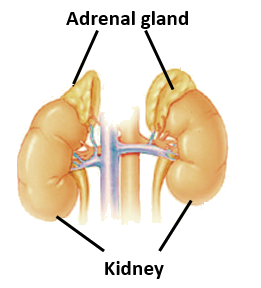
Adrenal glands are the triangular-shaped, small-sized glands lying on the top of each kidney. For this reason, they are also called the suprarenal glands.

For more help, you can Refer to Lesson 10 – Adolsence in life in Science Class 8 Lesson. Checkout the video for a better understanding

Hormones secreted

The cortex and medulla produce separate endocrine secretions. Different hormones with various roles are secreted by the adrenal cortex’s various zones.

Adrenal cortical hormones: Three distinct hormones are secreted by the adrenal cortex from its three layers.

  1. Glucocorticoids: The zona fasciculata layer of the adrenal cortex secretes the main glucocorticoid hormone, cortisol. It is the body’s own natural steroid and is released in response to stress. The hormone cortisol regulates the body’s blood pressure, metabolism, and sleep-wake cycle. The body can better handle stress and emergency situations thanks to it as well. By encouraging its creation, cortisol also keeps the body’s levels of glucose stable.
  2. Mineralocorticoids: The main mineralocorticoid released by the zona glomerulosa is aldosterone. Aldosterone’s primary job is to keep the body’s electrolyte and water balance in check. It works by telling the kidneys to remove potassium from the body and reabsorb sodium into the bloodstream.
  3. Adrenal Androgens: The androgens secreted by the zona reticularis include testosterone and DHEA (Dehydroepiandrosterone), which are known as adrenal androgens. Male hormones called adrenal androgens are weak. Although females also release testosterone, the majority of it is a precursor that is transformed into estrogens in the ovaries.

Hormones of the adrenal medulla:

  • Catecholamines are a broad term for adrenal medullary hormones. They contribute to the physiological effects of stress. The catecholamines are dopamine, norepinephrine (noradrenaline), and epinephrine (adrenaline). 
  • The stress-related blood pressure, heart rate, respiration, pupil dilation, and pale discoloration are brought on by the hormones adrenaline and norepinephrine. They are known as the flight and fear hormones for this reason.

Adrenocorticotropic hormone (ACTH), which is secreted by the pituitary gland, regulates the release of androgens and glucocorticoids from the adrenal glands. The hypothalamic secretions corticotropin-releasing hormone (CRH), antidiuretic hormone (ADH), and vasopressin regulate the pituitary’s release of ACTH.

Diseases related to insufficiency

The release of glucocorticoids, mineralocorticoids, and androgens can be impaired by damage to the cortical tissue or any malfunction. The condition is known as adrenal insufficiency. There could be a number of causes for this condition.

  1. Primary adrenal insufficiency:
  • It is also known as autoimmune adrenalitis or Addison’s disease. It happens as a result of disease in the cortical region of the adrenal glands. 
  • It is characterised by diminished adrenal gland function. 
  • It develops as a result of autoantibodies targeting the adrenocortical enzymes causing the self-destruction of adrenal tissues. 
  • Other reasons include malignancies, infections with syphilis or tuberculosis, and adrenal haemorrhage.
  1. Secondary adrenal insufficiency:
  • It happens when the pituitary gland does not secrete enough ACTH to support adequate levels of adrenal hormone output. 
  • Traumatic brain damage and panhypopituitarism cause this disease.
  1. Tertiary adrenal insufficiency:
  • This results from the hypothalamus’s insufficient secretion of corticotropin-releasing hormone (CRH). 
  • Patients who undergo particular operations to treat Cushing’s syndrome have also reported experiencing it.

Compared to the other two kinds, primary adrenal insufficiency is more common. The medulla is largely unaffected, whereas the cortex is impaired. As a result, the production of aldosterone and cortisol decreases in those with this illness.

Symptoms:

  • Fatigue and weakness
  • Joint pains
  • Hyperpigmentation
  • Weight loss
  • Salt cravings
  • Low blood pressure and hypotension
  • Abdominal pain
  • Decreased body hair in women
  • Decreased libido
  • Low blood glucose 

The participants are examined for preexisting hyponatremia, hyperkalemia, and hypoglycemia as soon as symptoms appear. Adrenal insufficiency is established with blood tests, including those for ACTH, cortisol, renin, and aldosterone, and is then successfully treated. Hormone replacement therapy is a significant component of treatment.

Summary

Adrenal glands are the triangular-shaped, small-sized glands lying on the top of each kidney. The largest portion of the gland is the outer adrenal cortex. Catecholamines are a broad term for adrenal medullary hormones. They contribute to the physiological effects of stress. Primary adrenal insufficiency is also known as autoimmune adrenalitis or Addison’s disease. It happens as a result of disease in the cortical region of the adrenal glands.

FAQ’s

  1. Define autoantibodies?
    Ans. Autoantibodies are proteins synthesised by one’s own immune system owing to the destruction of one’s self-tissues and organs. Due to autoantibodies produced by Addison’s disease, the adrenal cortex is destroyed, leading to impaired hormonal secretion and dysfunction.
  1. Is adrenal insufficiency potentially fatal?
    Ans. With the right care and safety measures, someone with adrenal insufficiency can lead a normal life. Untreated conditions including high potassium, low sodium, and low sugar levels in the body linked to low blood pressure can have fatal consequences.
  1. What do you mean by steroid hormones?
    Ans. Steroid hormones are all hormones that are biochemically steroid-like. Since lipids constitute the foundation of these macromolecules, they are called fat-soluble hormones and naturally come from cholesterol. The two groups of steroid hormones are corticosteroids and sex steroids, which are both secreted by the adrenal cortex and the gonads, respectively.
  1. Write a note on catecholamines?
    Ans. Catecholamines are natural amines with neurotransmitter properties. Chemically, they are benzene rings with hydroxyl amine groups. Stress manifestation functions are carried out by the catecholamines the adrenal medulla secretes.
  1. What is the function of hypothalamus?
    Ans. The brain region with endocrine functions is called the hypothalamus. It secretes hormones that regulate the pituitary’s release of a variety of hormones that regulate a range of bodily functions.
Acidity Symptoms

Introduction

Food is necessary for us to get the raw materials and energy needed to carry out metabolic activities. The efficient digestion and absorption of the food ensure the proper assimilation of its nutrients. Only when the digestive system is operating effectively does proper digestion and absorption take place. The digestive tract will be in good health if you eat enough nutritious food and lead a healthy lifestyle. Poor eating habits can cause digestive system abnormalities and several related health problems. Acidity is the most frequent of all digestive system problems and is related to several risk factors if not treated promptly.

Significance of the Human Digestive System

The alimentary canal and auxiliary digestive organs such as the liver, pancreas, and salivary glands make up the human digestive system. The following list highlights the relevance of this system, which guarantees the effective use of food consumed: 

  • The digestive system carries out digestion, or the breakdown of large molecules into smaller, simpler molecules that can be easily absorbed. 
  • It makes sure that any disease or dangerous substance that enters through the mouth is eliminated before it has a chance to spread to other organs. 
  • It guarantees appropriate secretion of digestive fluid and a suitable environment for this fluid to interact with the food.
  • The components of the digestive system are also designed to absorb the material that has been digested and add it to the fluid that circulates to carry it to the cells where it is required.

A common mistake students make is memorising Science or a process without understanding the concept behind it. Check out online study options are a great way to clear the science concepts you need. Watch the related video of these Online Science tuitions For Class 7 Lesson no- 2.

Common Disorders of the Human Digestive System

DisordersSymptoms and causes 
Lactose intoleranceConsuming dairy products causes bloating gas and diarrhoea. A person with lactose intolerance is unable to effectively digest the lactose found in milk and other dairy products. 
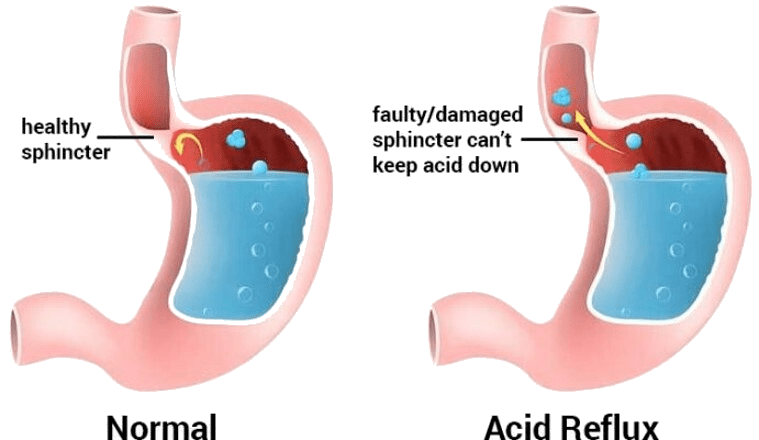
Gastroesophageal Reflux Disease (GERD)Heartburn, chest pain, and difficulty swallowing are some of the main symptoms. GERD is brought on by the stomach’s contents often moving back into the tube connecting the mouth and stomach. 
Irritable Bowel Syndrome (IBS)IBS patients may endure cramps, flatulence, and severe stomach pain. IBS is a condition marked by aberrant colon muscle contractions. 
Peptic ulcerAbdominal discomfort is caused by wounds that form in the lining of the stomach, small intestine, and esophagus. These typically appear as a result of non-steroid anti-inflammatory drug use and inflammation brought on by Helicobacter pylori
Chronic constipationA person has less than three bowel movements per week, and they last for three weeks or longer. There are a variety of reasons why this happens, including dehydration, inadequate dietary fibre from foods like watery fruits, vegetables, and cereals, inactivity, a lack of exercise, and medication side effects.

GERD is brought on by the stomach's contents often moving back into the tube connecting the mouth and stomach.

How to Prevent Different Disorders of the Digestive Tract?

DisordersPrevention
Lactose intoleranceLimit your consumption of dairy products and milk. Take vitamins to help the lactose digest.
GERDEat enough meals and prevent overindulging, give up smoking, and stop eating two to three hours before bed. 
Irritable Bowel SyndromeReduce stress, drink enough fluids, and include plenty of fibre-rich foods in your diet, such as beans, fruits, and watery vegetables. 
Peptic ulcerAvoid using smoke and alcohol, and regularly wash your hands to prevent infections. 
Chronic constipationConsume foods high in fibre, exercise often, drink lots of water, and steer clear of undercooked or raw foods.

Causes of Acidity

Acidity is the overproduction of gastric acid, which can be caused by a variety of things, including nutrition, eating habits, activity, and body type.

  • Food: Prolonged eating of deep-fried foods might cause the stomach to produce too much acid. Lemon, grapefruit, and orange are citrus fruits that make the stomach’s already-acidic environment more acidic.
  • Beverages: A drink containing caffeine, such as chocolate, tea, or coffee causes the stomach to produce acid and cause it to become acidic. A lot of alcohol consumption promotes acidity and irritates the lining of the stomach. Therefore, it is best to stop drinking alcohol. 
  • Obesity: Being overweight puts the abdomen under additional strain, which increases acidity. 
  • Medications: Heartburn can be brought on by certain medicines, antibiotics, and non-steroidal medications that harm the stomach’s lining.
  • Poor habits: The bad behaviours include eating large meals, sleeping right away after eating, smoking, and eating late at night, which can promote acid reflux.

Acidity Symptoms

The common symptoms of acidity include the following.

  • Heartburn (burning sensation in the chest and the throat)
  • Regurgitation (feeling of undigested food or liquids going up and down in throat)
  • Inability to consume food 
  • Indigestion
  • Abdominal bloating 
  • Nausea 
  • Vomiting 
  • A bitter aftertaste 
  • Persistent dry cough

Some Healthy Foods for Healthy Digestive Tract

FoodsTheir role in digestion
BananaImproves digestion and neutralizes excessive gastric juice output.
AppleThe pectin fiber in it enhances metabolism.
YoghurtYogurt is a fermented milk product that contains probiotic microorganisms that are good for the digestive system. It keeps a healthy gut and enhances food digestion.
Leafy greensThey eliminate dangerous microorganisms and preserve sound digestion.
TurmericIt is an antioxidant with the ability to reduce inflammation, which can aid with digestion.
LentilsThese includes abundant fibres that encourage regular bowel motions and a healthy digestive tract.

Summary 

The alimentary canal and auxiliary digestive organs such as the liver, pancreas, and salivary glands make up the human digestive system. Acidity is the overproduction of gastric acid, which can be caused by a variety of things, including nutrition, eating habits, activity, and body type. The common symptoms of acidity include an inability to consume food, indigestion, and abdominal bloating. Banana improves digestion and neutralizes excessive gastric juice output.

Frequently Asked Questions

1. What are Probiotics?
Ans. A probiotic is a live microorganism sold with a claim that it improves or restores the gut microbiota when consumed. Examples are Gram-positive bacteria and lactic acid bacteria (LAB), in the production of cheese, yoghurt, and pickles).

2. Why is the Intake of a Gut-Friendly Diet Important?
Ans. A healthy gut lowers inflammation, keeps your brain healthy, keeps you at a healthy weight, and helps you avoid chronic diseases like cancer and heart disease. Therefore, it will be harder to maintain good health if your gut is out of whack and your immune system isn’t operating at peak efficiency.

3. What are the Health Risks associated with GERD?
Ans. If GERD is not addressed, it can become a problem because, over time, stomach acid reflux harms the tissue lining the oesophagus, resulting in inflammation and discomfort. Adults with persistent, untreated GERD risk lifelongoesophagall injury.

4. Can Acidity Cause Cancer?
Ans. The lengthy tube that delivers food from your throat to your stomach is called the oesophagus. Acid from your stomach flows up into your oesophagus when you have acid reflux. This over time can harm the tissue in your oesophagus and raise your risk of getting oesophagal cancer.

5. How do Foods Decompose?
Ans. As the food moves through the digestive tract and combines with digestive fluids, it breaks down into smaller molecules. After being absorbed by the body through the small intestine’s walls, these smaller molecules are subsequently transported to the rest of the body by the bloodstream.

Accumulation of Variation During Reproduction

Introduction

There is no life on Earth without reproduction. For an organism to be classified as a living being, it must be able to reproduce. Reproduction of an individual requires replication of DNA, the molecular basis of life. Nature would not have been as diverse if all organisms reproduced asexually, and there would be no variation among populations. As a result of meiosis, living organisms can undergo variations, which maintain biological diversity and assist in adapting and evolving.

Heredity and Accumulation of Variation During Reproduction

Reproduction passes genetic information from parents to offspring, resulting in the offspring acquiring the same characteristics as their parents. This process is called heredity. Species or groups of organisms of a species may differ in some way due to variation. Variations in sexually reproducing species result from three genetic processes: mutations, independent segregation of chromosomes, and genetic recombination.

Let our expert teachers be your guide toward improving your grades and reaching your highest potential. For more help, you can refer to EVS Class 5 Lesson 21. Check out the video Lesson for a better understanding.

Mutations

Mutations are arbitrary alterations to an organism’s genes that can come from biological, chemical, or physical sources. Alleles which are different versions of the same gene are produced as a result of these modifications in various members of the same species. A mutation is passed down to the next generation in asexually reproducing organisms during mitosis. These changes are integrated into sexually reproducing organisms, nevertheless, where they then undergo further reorganization during sexual reproduction.

Independent Assortment of Chromosomes

Homologous chromosome pairs are found in diploid eukaryotes. Both members of the pair have separate sets of alleles, with one inheriting a set from the mother and the other from the father. These homologous chromosomal pairs divide during meiosis, and the individuals in each pair are then segregated into various daughter nuclei, giving rise to haploid gametes. The number of chromosomal pairs that each gamete acquires is random and unrelated to the other pairings. The resulting diploid individual possesses traits from both parents. This also explains the genetic variances seen in siblings, who all get their personalities from the same parents yet have distinct alleles.

Chromosomal crossing over the homologous chromosomes undergoes an event called “chromosomal crossing over” just before the separation of homologous chromosomes occurs, which causes the recombination of genes on the chromosomes. Recombination involves the exchange of alleles from one chromosome’s homologue with those from the other. The likelihood of variation is increased in sexually reproducing organisms by chromosomal crossing over.

Why is it Important to have Variations?

The expansion of a population’s gene pool requires variation. Increased genetic diversity results from it. In actuality, the foundation of the entire evolutionary history of the planet is inheritance in combination with the variation of the inheritable genes (i.e., “descent with modification”). 

Heredity and variations are the basis for

  • Diversified generations of the same lineages
  • The evolutionary advantage in adverse conditions
  • Adaptations of organisms 
  • Evolution of new species 
  • For tracing the evolutionary history and classification of an organism’s

Molecular Basis of Inheritance (DNA and RNA)

Mendel’s research with garden peas laid the groundwork for genetics. He was aware that each “factor” had two “variants,” only one of which was passed down from each parent to the offspring, and that each “variant” was responsible for the features observable in organisms. But he didn’t know what this element was. Some ground-breaking studies, such as those conducted by Fredrick Griffith in 1928, Averty, MacLeod, and McCarty in 1944, and Hershey and Chase in 1952, provided unmistakable proof that the DNA, not RNA or proteins, is the molecular foundation of inheritance.

The cornerstone for the continuation of life is the nucleic acids DNA and RNA. The information is stored in the DNA as genes, which are transferred from one generation to the next. The phenotypic characteristics of an individual vary depending on what allele (a variant of a specific gene) is present on the chromosome.

Differences Between the DNA and the RNA:

DNA RNA 
Comprises two polynucleotide strands, coiled around a common axis in a right-handed manner The RNA molecule is a single polynucleotide strand 
Adenine pairs with thymineCytosine pairs with guanine Adenine pairs with uracilCytosine pairs with guanine 
Contains a deoxyribose sugar Contains a ribose sugar 
Carries hereditary information in the form of nucleotide segments known as genes Translates the gene transcripts (mRNA) from DNA into proteins

Summary 

Reproduction passes genetic information from parents to offspring, resulting in the offspring acquiring the same characteristics as their parents. Mutations are arbitrary alterations to an organism’s genes that can come from biological, chemical, or physical sources. Recombination involves the exchange of alleles from one chromosome’s homologue with those from the other. The phenotypic characteristics of an individual vary depending on what allele (a variant of a specific gene) is present on the chromosome.

 Frequently Asked Questions

1. What are the Factors that Determine the Sex of a Human?
Ans. The sex chromosomes in humans control gender. Males have one X from the mother and one Y from the father, making up the XY sex chromosome combination, whereas females have the XX chromosome pair (one X chromosome from each parent).

2. Do all Characters Always Pass Down from Both Parents?
Ans. No. Some characteristics, and particularly some diseases, can be sex-related and be found on the sex chromosomes. In addition, we are aware that mitochondria contain their DNA. The mother alone is the exclusive source of this mitochondrial DNA. All other nuclear features are passed down through both parents.

3. What is meant by Somatic Variation?
Ans. Genetic material is either inherited or acquired by an offspring from its parents. However, the somatic (non-gametic) cells of the developing zygote may develop mutational alterations that are not integrated into the germline. These characteristics won’t be passed down to the person’s descendants.

4. Is there a chance of Genetic Variation Whenever there is a Crossing-Over?
Ans. On the non-sister chromatids of a homologous pair, the identical allele of a gene may cross over. Crossover may occur in this situation, but unless the alleles on the two chromosomes are distinct, no new variation will result.

5. What are Sex-Linked Traits? Give an Example.
Ans. Traits controlled by a sex chromosome gene or allele are known as sex-linked traits. X-linked recessive conditions are twice as common in females as in males: if 1 in 20 males in a population is red-green colourblind, then 1 in 400 females will be reversed colourblind.

Physical Properties of Materials

Introduction

Atoms, which give all other matter in the universe its mass, volume, and resilience to survive changes in its physical state, are responsible for the matter’s mass and volume. Each type of matter, molecule, element, or even chemical, has a unique set of features that aid in understanding how that matter is used in everyday life. While the primary characteristics of matter are pressure, density, and volume, the primary characteristics of chemicals are toxicity, chemical stability, and the strength of their covalent bonds. As a result, there are many things to learn about the characteristics of each element and chemical complex.

What are Physical Properties?

As is common knowledge, every element and form of matter has unique characteristics. Physical property is any attribute that can be measured and that also describes an object’s physical condition. A physical state can change through time, which is referred to as a physical state shift. Physical characteristics can also be seen. Meaning that any changes in the physical stuff are readily seen. Without affecting the substance’s identity, these qualities may be identified. Contrarily, this is not true of chemical attributes because the substance changes as a result of identification.

Example of Physical Properties

Recognition and measuring the properties of matter depend upon certain aspects, even though it does not need to undergo any changes in its identity. For instance, if it involves measuring the amount or substance then it is extensive physical property (by appearance)

  • Volume
  • Mass
  • Length
  • Shape

If it is not dependent on the amount of substance, then it is intensive physical property (by observing its physical state in extreme temperature)

  • Melting point
  • Colour
  • Boiling point
  • Density

Measurement of Physical Properties

For scientific study, measurements of physical attributes are required. Quantitative measures, as the name implies, are used to carry out the task and based on the physical properties (either extensive or intensive), a measurement is made. The SI units are used to express the measurements. The various physical quantities, together with their corresponding symbols and SI units, are displayed in the table below.

Physical quantitySymbolsName of the SI unitThe Symbol for the SI unit
Lengthlmetrem
MassmKilogramkg
TimetSeconds
Electric current lAmpereA
Thermodynamic temperatureTKelvinK
Amount of substancenMolemol
Luminous intensity lvCandela cd

Physical Properties of Elements

The physical properties of materials are determined by performing intensive material characterizations. We already know that two or more molecules may be combined to form an element. As a result, knowing its qualities based on the number of atoms it contains is simpler. We may learn about a substance’s density, electrical stability, and capacity to tolerate intense heat to determine its melting and boiling points. Understanding the characteristics of the elements is essential since it is beneficial in many ways. We can determine which elements share a particular attribute and which do not. Iron and copper, for instance, have similar characteristics but distinct ones. i.e., they can both conduct electricity. They cannot, however, be exposed to damp air.

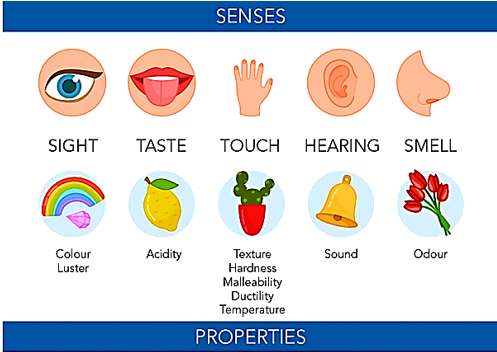
The physical properties of matter which we can see/feel/measure/touch

Physical Properties of Materials

We have understood the properties of elements, but what about materials? Materials are nothing more than things like metals, ceramics, and polymers. Their differing densities and thermal characteristics set them apart from one another. Among a material’s characteristics are,

  • Thermal conductivity
  • Resistivity
  • Density
  • Melting point
  • Corrosion resistance

Three Physical Properties of Water

Even water, which is measured in litres, has physical characteristics. Other than being placed in the container to acquire their form and volume retention, they experience no physical changes. Water has distinct physical characteristics:

  • Temperature
  • Colour 
  • Turbidity
  • Taste
  • Odour

Summary

Physical characteristics are observable, which means we can see them with our naked eyes. In contrast to chemical attributes, physical properties do not experience any changes to their physical state. There are two ways to observe physical qualities. Both extensive and intensive physical properties.

Frequently Asked Questions 

1. What is a Physical Change?

Ans: Except for one or more physical features, a substance’s chemical properties remain unchanged. We refer to this as a bodily transformation. In other words, a substance is capable of taking on any shape, size, or structural modifications. Physical changes also include state changes, such as going from a solid to a liquid or from a liquid to a gas. Cutting, bending, melting, freezing, boiling, and dissolving are a few of the processes that result in physical changes.

2. What are the Chemical Properties of Matter?

Ans: Chemical characteristics are the measurements or observations of a chemical substance. Chemicals contain certain characteristics that can only be identified when the substance transforms into another sort of substance. For research objectives, chemical characteristics are very useful in differentiating molecules. Reactivity, flammability, and corrosion are a few of the characteristics. Reactivity is defined as the capacity to interact with other chemical compounds. Flames and chemicals react rapidly. Thus, the flame characteristic of many chemicals may be identified.

3. How do bonds Affect Physical Properties?

Ans: Chemical bonds are the electrical forces that hold ions and atoms together during the formation of molecules. These chemical bonds are responsible for the physical properties of matter like hardness, structure, melting, and boiling points. They also influence other properties such as crystal symmetry and cleavage etc. It is more difficult to break apart bonds that are stronger than they are. Hardness, higher melting and boiling points, and less chance of expansion are all caused by stronger chemical bonds.

Velocity-Time Graphs: Understanding the Relationship between Velocity and Time

Introduction

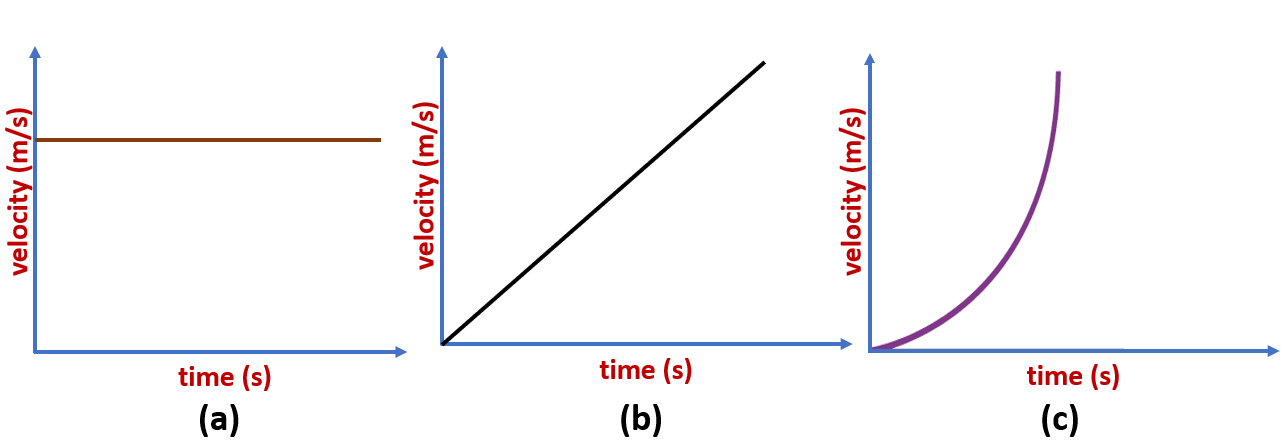
The rate of change in displacement of a moving object is referred to as its velocity. As a result, velocity is a vector quantity, and the velocity-time graph or velocity-time relation is a graphical representation of its fluctuation with time. A velocity-time graph shows the variation of the object’s velocity with time, under different conditions, such as under uniform motion, and under acceleration. On a velocity-time graph, acceleration is depicted by the slope of the graph line.

Velocity-Time Graph for Uniform Motion (No acceleration)

Since there is no acceleration being given to the moving object in this scenario, its velocity is constant and does not fluctuate over time. As a result, in this scenario, it is clear from Figure (a) below that despite the change in time, the velocity will remain constant throughout the entire journey of the object.

Velocity-Time Graph with a Constant Uniform Acceleration

In this situation, the item is subject to a constant uniform acceleration, so depending on the applied uniform acceleration—referred to as the accelerating and retarding acceleration, respectively—its velocity will constantly grow or decrease. We see a linear behaviour of the object’s velocity with time in the velocity-time graph (as shown below in Figure (b)), where the velocity of the item grows linearly on the application of constant uniform acceleration. You can use the slope of this graph to calculate the object’s applied acceleration.

The object’s equations of motion under a uniform constant acceleration can be expressed as follows:

v = u + at

s = ut + 1/2 at²

v² = u² + 2as

Where v, u, a, s, and t are the final velocity, initial velocity, uniform acceleration, total displacement of the object, and travel/trip time, respectively.

Velocity-Time Graph under a Variable Acceleration

As shown in Figure (c) above, in this situation, the acceleration acting on the object varies with time and as a result, the object’s variation in velocity is different during each time period of the journey. As a result, we observe a velocity-time graph that differs from the case where the object is subjected to variable acceleration and observe a parabolic behaviour of velocity with time.

Summary

The rate of change of displacement is known as velocity. The slope of the curves on the velocity-time graphs indicates how quickly the item is accelerating. Any object’s velocity is determined by the rate at which its displacement changes, so its starting and ending positions are crucial.

Frequently Asked Questions

1.What is the Initial and Final Velocity?

Ans: An object’s initial velocity is its speed at time zero, or when it first begins moving, and its final velocity is its speed when the journey has come to an end.

2. State the difference and Similarity between Speed and Velocity.

Ans: The pace at which a distance changes is known as an object’s speed, whereas the rate at which its displacement changes is known as its velocity. Speed and velocity are scalars and vector quantities because distance and displacement are, respectively, scalar and vector quantities. Since both distance and displacement are expressed in meters, there is an m/s correspondence between speed and velocity.

3. What are the differences between Velocity and Acceleration?

AttributesVelocity Acceleration
DefinitionThe speed of an object in a given direction.Acceleration implies any change in the velocity of the object with respect to time.
Calculated withDisplacement.Velocity
What is it?Rate of change of displacement.Rate of change of velocity.
FormulaDisplacement/TimeVelocity/Time
Unit of MeasurementMeter/SecondMeter/second²

4. What do Velocity Time Graphs Show?

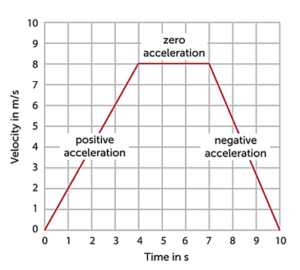
Ans: A velocity-time graph displays the sprinter’s object’s changing speed, as well as the speed of any other moving item or person. The slope of the graph line on a velocity-time graph is used to illustrate acceleration. If the line slopes downhill, as it does between 7 and 10 seconds, then acceleration is negative, and velocity is dropping.

Human Digestive System- Absorption

Introduction 

The human digestive system performs the function of digestion of food which is required for providing nutrition to the body. Food eaten undergoes a series of processes that break down complex food materials into simpler ones that ultimately provide energy. Absorption is one such process under digestion wherein the simpler nutrient molecules from the gastrointestinal tract are absorbed and transported to the blood or lymph to provide nutrition to the rest of the body parts.

Absorption in Various Parts of the Digestive System

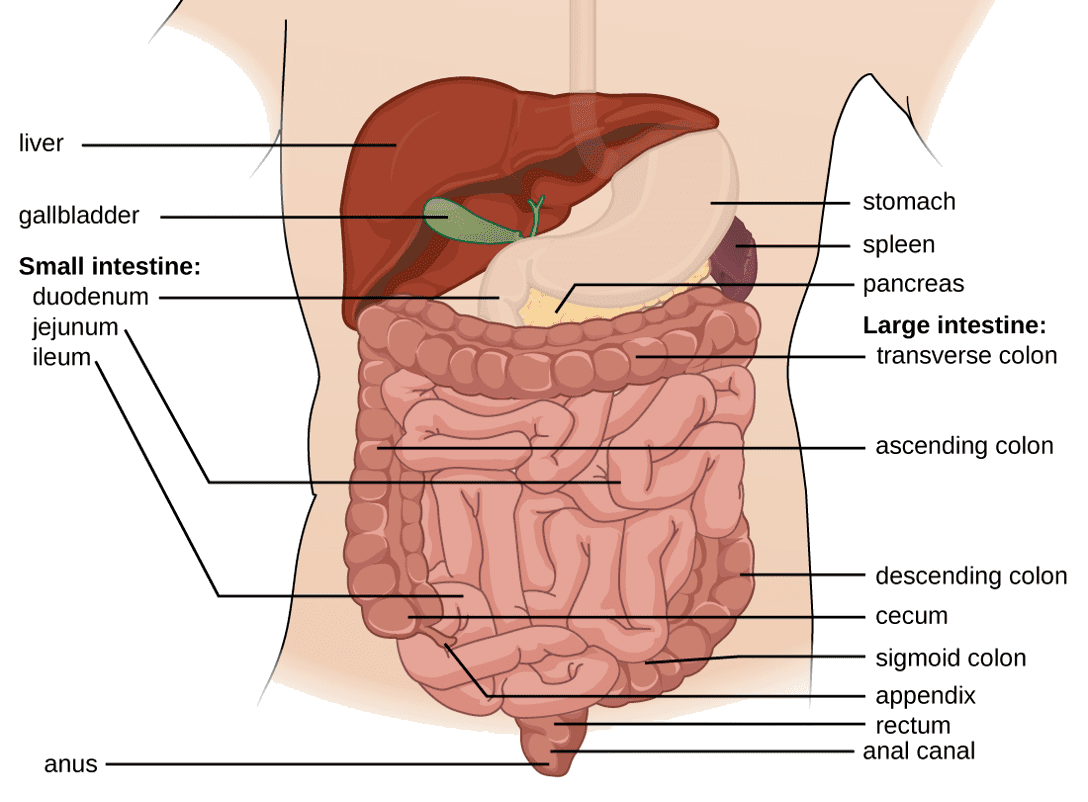
The oral cavity, oesophagus, stomach, small intestine, and large intestine make up the alimentary canal, sometimes known as the gastrointestinal (GI) tract. The small intestine is where nutrients are mostly absorbed. However, some compounds are also absorbed in the large intestine, stomach, and oral cavity.

  • Oral cavity absorption: The oral cavity plays a major role in chewing and combining food and saliva. The oral cavity is where some medicines, alcohol, and simple carbohydrates are absorbed.
  • Absorption in Stomach: The stomach is a hollow, muscular organ that aids in a nutrient breakdown in the presence of hydrochloric acid and enzymes. The stomach is where certain vitamins, alcohol, lipid-soluble substances, non-steroidal anti-inflammatory medications (NSAIDs), caffeine, and water (during dehydration) are absorbed.

Absorption in the small intestine: The small intestine, is the longest section of the alimentary canal and measures around 6 meters in length. It has been designed to perform the function of absorption because it shows the presence of-

  • Villi and microvilli
  • Specialized absorptive cells 
  • A vast network of blood capillaries and lymphatic arteries.

Want to get an “A” on your Science exams? Let our expert teachers be your guide towards improving your grades and reaching your highest potential. Watch the related video of this chapter in Class 7th Science video lesson no 2.

According to their characteristics and functions, the small intestine is divided into three divisions. Which are:

  • Duodenum-It is the first portion of the small intestine which receives chyme, liver secretions, and pancreatic secretions. Rather than absorbing nutrients, this area mostly performs food digestion.
  • Jejunum-It is the middle coil portion of the small intestine and contains a lot of blood vessels. It acts as the initial site of nutrition absorption.
  • Leum-It is the final and longest segment of the small intestine. This region of the small intestine absorbs the majority of the nutrients.
  • Absorption in the Large intestine- large intestine is wider than the small intestine. It majorly absorbs water, Vitamin K, B12, various ions, and some nutrients.

This image shows the various parts of the digestive system.
 https://en.wikipedia.org/wiki/Small_intestine

Absorption of Nutrients

  • Vitamins, minerals, monosaccharides, and water-soluble amino acids are directly absorbed by the capillaries into the bloodstream.
  • The lacteals of the lymphatic system absorb fat-soluble vitamins, glycerol, and fatty acids before getting absorbed by the blood vessels. Micelles are small, spherical, water-soluble molecules that are initially responsible for absorbing fat-soluble chemicals and lipid derivatives.
  • The duodenum absorbs electrolytes such as calcium, sodium, potassium, phosphate, chloride, bicarbonates, and magnesium.
  • Bile salts are absorbed in the ileum area.

Mechanism

Mechanism of absorption takes place by 3 methods-

  • Simple diffusion-Simple diffusion does not need energy, and here movement of molecules occurs along their concentration gradient. Absorption of dietary lipids by intestinal cells occurs through simple diffusion.
  • Active transport- In active transport, the movement of molecules occurs against the concentration gradient. Energy is required for this transport to occur. This transport is used for the absorption of proteins and carbohydrates.
  • Facilitated transport-The movement of molecules along their concentration gradient which is facilitated by some other ion, protein, carrier, or channel is known as facilitated transport. It does not require energy. Glucose and amino acids are transported through this method.

Summary

Absorption is a process of taking up simpler nutrient molecules from the gastrointestinal tract into the blood. It occurs after the process of digestion. The small intestine is where most of the absorption of various nutrients such as monosaccharides, amino acids, vitamins, etc takes place. It is made of 3 parts duodenum, jejunum, and ileum out of which most of the absorption takes place in the ileum region. The nutrients which are absorbed into the blood, travel to various parts of the body and provide the necessary nutrients which are required for the regular functioning of various cellular activities.

Frequently Asked Questions

1. Give the Various Processes Present During Digestion.
Ans: Digestion is divided into 5 processes or steps-

  • Ingestion
  • Digestion
  • Absorption
  • Assimilations
  • Egestion

2. Differentiate between Macronutrients and Micronutrients.
Ans: Macronutrients are nutrients required in large quantities as they perform various functions in our body. Some examples are- carbohydrates, proteins, and fats. Micronutrients are required in small quantities by the body. Some examples are- Vitamins and Minerals.

3. How are Carbohydrates, Proteins, and Fats are Broken Down?
Ans: Carbohydrates are broken down to glucose, sucrose, and other monosaccharides using enzymes such as Salivary amylase,           maltase, etc. Proteins are broken down into Amino acids with help of enzymes such as trypsin, chymotrypsin, etc. Fats are broken down into fatty acids with the enzyme lipase.

4. What Occurs if the Nutrients are not Properly Absorbed?
Ans: Malabsorption describes a decrease in the body’s capacity to absorb nutrients from the gastrointestinal tract. It interferes with the normal functioning of the body and causes various nutrient deficiencies.

Ecosystem- Abiotic factors

Introduction

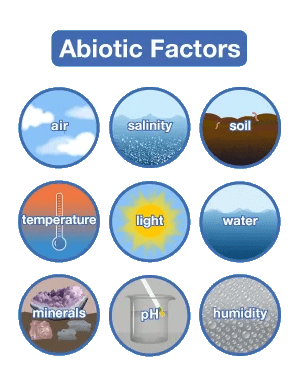
The ecosystem is defined as a geographical area composed of living beings and non-living beings interacting with each other. Both of them are interdependent and hence together are responsible for maintaining the balance of the environment. Living beings in an ecosystem are termed biotic factors; they include microbes, plants, and animals. Non-living beings of an ecosystem are known as abiotic factors and they are physical or chemical non-living components of the ecosystem. These factors are essential for the survival of living organisms in the given ecosystem. They determine the structure, growth pattern, distribution, and behaviour of the living organism in an ecosystem. These factors include temperature, light, humidity, water, air, land, soil, pH, etc.

Types of Abiotic Factors

There are 3 types of abiotic factors-

  • Inorganic compounds-Compounds and elements which are a part of various biogeochemical cycles are the inorganic compounds found in the ecosystem and they are very essential for the biotic components. Nitrogen, phosphorus, carbon, and other elements are examples of inorganic materials.
  • Organic compounds- These are the substances that are present in dead and decaying organisms. These include biomolecules like lipids, proteins, and carbohydrates. These organic components are broken down into simpler compounds such as carbon, hydrogen, oxygen, and nitrogen which circulate in the ecosystem and nourish various abiotic factors such as soil, air, water, etc.
  • Climatic and soil factors-These variables include the ecosystem’s physical elements, such as temperature, humidity, light, air, and soil. Climate variables are those that affect the weather or climatic condition of the ecosystem, whereas edaphic factors are those that affect the qualities of the soil, such as pH and topography.

For more help, you can Refer to Lesson 9 – Living Things and habitat in Science Class 6th. Checkout the video Lesson for a better understanding

This image indicates various abiotic factors of an ecosystem.

Ecosystems Based on Abiotic Factors

Abiotic elements found in a given habitat can be used to categorize ecosystems.

  • Aquatic ecosystem- An ecosystem is said to be aquatic if both its biotic and abiotic components are found in water. Depending upon the salinity of the water, aquatic ecosystems can be of two types- Freshwater ecosystems and Marine ecosystems.
  • Terrestrial ecosystem- An ecosystem is referred to as a terrestrial ecosystem if the biotic and abiotic components reside on the land. Depending upon various factors such as availability of water, climatic conditions, and temperature. Terrestrial ecosystems can be of 4 types- Forest, Grassland, Mountain, and Desert ecosystem. 

Responses of Organisms Against Changes in Abiotic Factors

Biotic factors that inhabit a certain habitat react with the abiotic elements present there.  Hence, the abiotic factors become stimuli which results in the display of various effects on different organisms. Below are a few examples 

  • Homeostasis-Homeostasis is the process by which the interior environment of organisms is maintained in a steady state, despite various external changes. Organisms can be divided into two categories: 
    • Regulators-These species can use energy to maintain homeostasis. They are active, widely dispersed, and maintain a steady internal body temperature and osmotic concentration. For e.g.- Birds and mammals.
    • Conformers- These species are unable to maintain homeostasis and hence can survive only in specific conditions. For eg- Fish, amphibians, reptiles, etc.
  • Migration– Migration is the movement of living creators from one place to another. Such creatures temporarily migrate to a suitable location when there are unfavourable conditions in their native habitat. They return to their former habitat as soon as the environment is normalized. For example-  To avoid the severe winter climate, birds from Siberia travel to India.
  • Suspension- When faced with unfavourable circumstances, certain species briefly halt their continuous metabolism i.e they suspend their growth and development for a while. For eg- Spores are formed by fungi and bacteria which can withstand severe conditions. Plants produce seeds that have a thick seed coat and a period of dormancy. While snails and frogs become dormant in the summer, bears hibernate during the colder months.

Summary

Abiotic elements are the nonliving parts of an ecosystem that surround living ones in any habitat. Both aquatic and terrestrial habitats include them. The biotic components are occasionally impacted by changing abiotic variables. To ensure their existence, these biotic components have a variety of strategies to deal with changes in these abiotic conditions.

Frequently Asked Questions

1. What is a Local and Global Ecosystem?
Ans: A local ecosystem consists of different types of habitats along with living organisms. A global ecosystem is a group of many local ecosystems.

2. What is Diapause?
Ans: Diapause is a response given by organisms under unsuitable environmental conditions. It is a spontaneous phenomenon wherein there is an interruption in the developmental stage of an organism due to changes in the abiotic factors. For instance, the monarch butterfly goes through reproductive diapause to get ready for its migration from North America to Mexico between late summer and fall.

3. What are the Abiotic Factors in a Forest Habitat?
Ans: The abiotic factors of forest habitat are-

  •  Soil
  •  Temperature
  • Humidity
  • Rocks
  • Water

4. Give one Example of a Plant’s Response to Abiotic Factors of the Environment.
Ans:
One example of a plant’s reaction to the abiotic component of light is phototropism. In contrast to the root, which grows away from the light source and exhibits negative phototropism, the plant’s shoot grows in the direction of the source of light and shows positive phototropism.

Effects of Change of Temperature

Introduction

The measurement of a system or substance’s heat is called its temperature. The pace of an enzyme-catalyzed reaction typically increases as the temperature rises in most chemical processes. Temperature is the internal energy contained within a particular system. Temperature can be measured by a thermometer. Temperature is measured in degrees Celsius, which is written as °C, and can be also measured in Kelvin (K) and Fahrenheit (°F). Temperature alters the states of matter by reducing or increasing the interatomic distances. 

Temperature Effect/Effect of Temperature

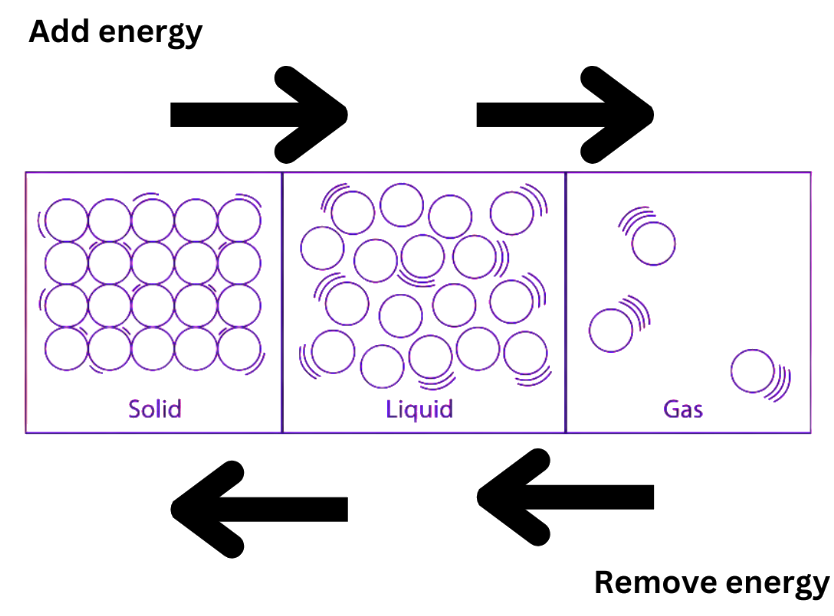
In several ways, the temperature has an impact on substances, processes, and enzymes. A substance’s state can be altered by varying its temperature. As the temperature rises, a solid can turn into a liquid, and as the temperature rises more, a liquid can turn into a gas. At high temperatures, a solid can be directly converted into a gas and this process is known as sublimation. Similar to the process where liquids may turn into solids at low temperatures, gases can become liquids by raising pressure while lowering the temperature. The rate of response of the transformation between the different states of matter is also positively or negatively impacted by temperature.

Learn More about Temperature and Heat. Check out more videos in 7th Class Science Lesson no 4.

The Effect of Change of Temperature on Solid State

As the temperature rises, the particles’ kinetic energy rises as well. As a result of the increase in kinetic energy, particles move faster and begin vibrating more quickly. The forces of attraction between the particles are weakened or eliminated by the heat energy. The particles start to travel more freely after leaving their fixed places. At some point, the solid melts and becomes a liquid. The melting point of a solid is the temperature at which it begins to dissolve into a liquid. When two distinct solid objects formed of the same substance are melted, they might combine to form a new one, a process known as fusion.

Effect of Change of Temperature on States of Matter

Heating and cooling are the two primary methods for converting states of matter. By applying heat, a solid can be transformed into a liquid. Similar to how a liquid may become a gas by heating. The opposite is also true; when a gas loses any of its thermal energy, it turns into a liquid. Further, removing a liquid causes its heat energy to solidify. The rising temperature causes a rise in the kinetic energy of the particles and the interspace between them. The force of attraction between particles is reduced by the increase in kinetic energy. 

Effect of Temperature on Pressure

A physical force that is applied to an item by anything in touch with it is called pressure. The pressure can be estimated by the force per unit area. Three variables which affect how much pressure a gas exerts on the walls of the chamber of a container in which it is contained and surrounded by a vacuum. These factors are the quantity of gas within the chamber, the chamber’s size, and the gas’s temperature. The link between the pressure and temperature of gases can be explained, according to the gas law, which states that the pressure of a given volume of a specific gas is precisely proportional to its temperature at a constant volume. This relationship between pressure and temperature is what is meant by the term “pressure-temperature relationship.” It can be modelled as:

  P∝T

A system’s temperature changes cause the molecules in the gas to move more quickly, increasing the pressure on the gas container’s wall. The system’s pressure rises as a result. The pressure likewise lowers when the system’s temperature rises. As a result, for constant volume, the pressure of a given gas is exactly proportional to the temperature.

The gas expands in volume at constant pressure as the temperature rises. The volume of the gas grows because it requires more space to move since the kinetic energy of the molecules increases as the temperature rises.

Effect of Temperature on Pressure

Effect of Temperature-Examples

The usage of light sticks or glow sticks is one illustration of how temperature affects the speed of chemical reactions. Chemiluminescence, a chemical process, occurs on the light stick. But neither is needed for nor produced by this reaction. The temperature has an impact on its pace. Precipitation reaction, activation energy, etc. are further examples.

Summary

The many states of matter are significantly impacted by temperature. The impact of temperature varies depending on the condition of matter. The kinetic energy of the state increases with temperature, yet the force of attraction varies depending on the state. The various states of matter are also impacted under constant pressure and volume. The pressure of the gas drops while the volume remains constant. The volume of the gas grows with constant pressure.

Frequently asked questions

1. What is the Liquid State of Matter?

Ans: Between the solid and gaseous forms of matter is the liquid state. Ice (solid), liquid as water, and gas as vapor are the three states of water. Although liquids do not have particular shapes, they do have specific volumes. The force of attraction in the liquid state is stronger than that in the gaseous state and weaker than that in the solid state. Atoms in this state have kinetic energies that are higher than those in solids, but lower than those in gases.

2. What Happens when the Temperature of a Gas Increases at Constant Pressure?

Ans. The temperature of a given system or gas container rises as the pressure in that system or container rises. While the pressure remains constant, the temperature rises, the velocity of the gas molecules increases, and the volume of the gas rise. As the gas’ temperature rises, the gas ascends into the atmosphere.

3. What is the Relationship between Pressure and Volume in Boyle’s Law?

Ans: When the temperature is maintained constant, Boyle’s Law states that the pressure exerted by a certain quantity of gas (the number of moles) is inversely proportional to the volume. The volume of the gas reduces with increasing pressure, and vice versa. The molecule tends to approach.

A Study on Various Modes of Excretion

Introduction

Every living thing engages in metabolic processes that produce compounds that, if allowed to build up in the body, could be poisonous. These materials are regarded as excretory wastes. Depending on several internal or external conditions, each organism uses a different technique to remove these wastes. We shall learn more about these excretory processes in this article, including the types of excretory products that each one eliminates.

Excretion and Excretory Wastes

The process of eliminating harmful or non-toxic wastes from the body is known as excretion. Each organism produces various excretory products. For instance, the primary excretory substance in fish is ammonia, whereas the primary excretory substance in humans is urea. These wastes are removed from the body via excretory organs.  Every living organism has a unique excretory system in its body.

For more help, you can refer to Science Class 7 Lesson No 11. Check out the video Lesson for a better understanding.

Methods of Excretion

Nitrogenous wastes produced during protein metabolism are the main excretory products produced by an organism. The conversion of the main nitrogenous waste ammonia results in the final excretory products of an organism. The final excretory products that are eliminated using a particular procedure are used to categorize the various excretion processes.

Ammoniotelic: Ammonia is released as a waste product during ammoniotelic. Because ammonia removal needs a significant amount of water, aquatic creatures like fish, poriferans, protozoans, etc. exhibit ammoniotelic. These creatures are referred to as ammoniotelic organisms.

Ureotelism: Ureotelism is the process of discharging urea as the final excretory waste. In terrestrial species like humans, it is common. A moderate amount of water is necessary for the body to remove urea from it. Ammonia is changed into urea in the livers of ureotelic organisms.

Uricotelism: Uricotelism is the elimination of uric acid, which is the ultimate excretory product. Because uric acid does not dissolve in water, the waste produced by uricotelic organisms is expelled as paste or pellets. Animals, including birds, reptiles, and some insects, exhibit uricotelism.

Guanotelism: Guanine is released as the body’s ultimate excretory product during Guanotelism. Guanine cannot be removed with water since it is an insoluble substance. Guanotelism has been observed in various spider species, as well as some types of earthworms and reptiles.

Aminotelism: The elimination of final waste products in the form of amino acids is known as aminonotelism. Mollusks and echinoderms both use this technique of excretion.

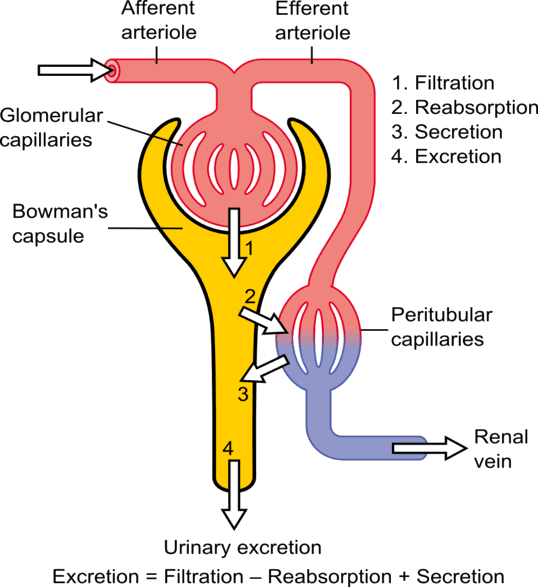
Urinary excretion

Excretion in Humans

The human body produces urea, uric acid, ammonia, and carbon dioxide as excretory products. Three of these are nitrogenous metabolic wastes that are eliminated in the urine or sweat, but carbon dioxide is a non-nitrogenous metabolic waste that is eliminated in the expired air. Let’s talk in detail about these excretory processes in humans.

Urination: The kidneys and other related organs perform several procedures to remove nitrogenous waste from the body. Urine, the last byproduct of this process, is excreted from the body by micturition. Urine formation happens in three stages. The nephron, which is the kidneys’ functional unit, performs each of these processes.

Glomerular filtration: The renal capsule, a nephron-like structure containing a cluster of blood capillaries, is where the first stage of urine production takes place. In this step, the blood is ultrafiltered, and the majority of the plasma as well as a few other molecules, including wastes, are taken out of it in the form of glomerular filtrate. This glomerular filtrate travels into the nephron’s long renal tubule, where it is absorbable.

Tubular reabsorption: The nephron is a structure that filters blood into a fluid called filtrate, much of which is then reabsorbed into the body. Resorption is a carefully regulated process that is modified to keep blood volume, pressure, plasma osmolarity, and pH in a stable state. Through the peritubular capillaries, reabsorbed liquids, ions, and molecules are restored to the bloodstream instead of being eliminated as urine.

Secretion: In this stage, chemicals like creatinine, hydrogen ions, and drugs are released from the renal tubule walls and transferred to the urine. Each nephron produces urine, which the collecting duct gathers and then excretes through the ureters into the urinary bladder. The urethra is the passageway through which urine exits the body once the urinary bladder has become bloated.

Expiration: Humans expel carbon dioxide through breathing, which is the metabolic waste product created during respiration. During this phase of breathing, the air is expelled through the nostrils.

Sweating: Sweating eliminates extra water, salt, and some urea from the body. This is brought on by the sweat glands in the skin producing sweat.

Examples of Excretion

The human body’s different organs that are responsible for excretion include the kidneys, lungs, large intestine, liver, and skin. A few examples of excretion include the release of bile by the liver, which travels to the small intestine before exiting the body via the large intestine. The large intestine is one organ in the body that excretes solid wastes.

Importance of Excretion in Living Organisms

  • The removal of wastes from the body is crucial because if they are left there for an extended period, they can seriously harm the organ systems. 
  • For instance, if urea builds up in the body, it can be extremely poisonous and cause uremia. 
  • Too much carbon dioxide in the blood will cause carboxyhemoglobin to form and cause the blood to become acidic, which will reduce its ability to carry oxygen. 
  • If faecal matter forms in the alimentary canal after the conclusion of absorption is not cleared, it could lead to the accumulation of hazardous bacteria and fermentation products, which could injure or impair the gut’s normal function.

Summary

The process of eliminating harmful or non-toxic wastes from the body is known as excretion. The final excretory products that are eliminated using a particular procedure are used to categorize the various excretion processes. The body produces urea, uric acid, ammonia, and carbon dioxide as excretory products. The human body’s different organs that are responsible for excretion include the kidneys, lungs, large intestine, liver, and skin. The removal of wastes from the body is crucial because if they are left there for an extended period, they can seriously harm the organ systems. 

Frequently Asked Questions  

1. What is Renal Ultrafiltration? When does it Occur?
Ans. One of the kidney processes that dialysis treatment substitutes are the process of ultrafiltration, which involves draining fluid from a patient. When a driving pressure causes fluid to cross a semipermeable barrier, ultrafiltration occurs.

2. Nephrons are made up of different Parts, what are They?
Ans. Each nephron is made up of a proximal tubule, which is a convoluted and straight component, a renal corpuscle (glomerulus inside Bowman’s capsule), an intermediate tubule, a connecting tubule, a distal convoluted tubule, an outer, cortical, and inner medullary collecting ducts, among other structures.

3. Give an example of a Disease that can Develop as a Result of the Buildup of Nitrogenous Waste in the Body.
Ans. A medical disease known as uremia is brought on by the harmful consequences of unusually high levels of nitrogenous chemicals in the blood as a result of the kidneys’ inability to eliminate waste products through the urine.

4. What Happens if Excess Carbon Dioxide Accumulates in the Blood?
Ans. Too much carbon dioxide in the blood will cause carboxyhemoglobin to form and cause the blood to become acidic, which will reduce its ability to carry oxygen. 

A Guide To Composition And Function Of Lymph

Introduction

The human body is a complex structure made up of several organs that are arranged into different systems and are designed to perform specific functions during various life events. To stay healthy, each of these systems needs a constant supply of oxygen and nutrients. The metabolic wastes produced by each of these systems must also be transported to the excretory organs to get expelled from the body. The body’s fluids, which are constantly circulated throughout the body, carry out all of this transportation. These fluids are lymph and blood. This article will go into further detail about lymph.

What is Lymph?

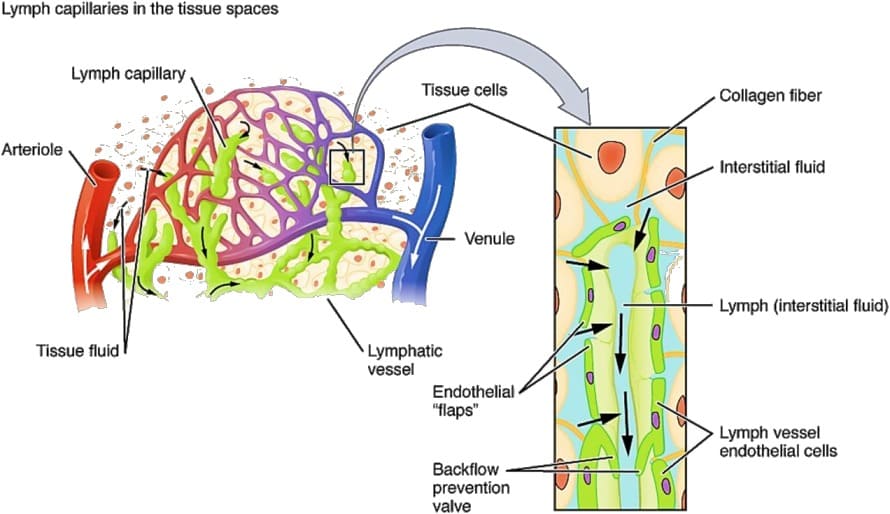
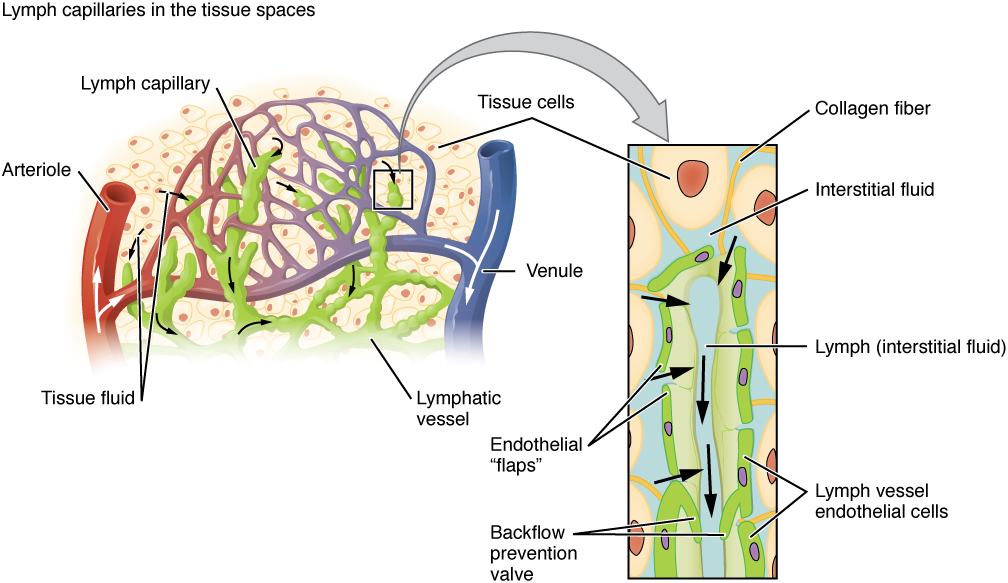
An alkaline translucent fluid called lymph fills the gaps between the lymphatic tissue and travels via the lymph vessels. It is a vascular fluid connective tissue that aids the immune system in performing its duties by transporting chemicals throughout the body. It is the primary component of the lymphatic system.

 Image source

Composition of Lymph

Plasma and lymphocytes are the two components that make up the lymph.

Plasma: The lymph’s fluid component and its matrix are known as plasma. It is produced as a result of the ultrafiltration of blood plasma through the capillary walls. Its composition is essentially similar to that of blood plasma, with the exception that it has a higher concentration of glucose and a lower proportion of proteins, calcium, or phosphorus.

Leucocytes: Unlike blood, the lymph’s cellular makeup only consists of amoeboid WBCs, also known as leucocytes. Lymphocytes are the main form of WBC that are present in the lymph. These WBCs are agranular, and their main job is to help the body’s defence system by assisting in the production of antibodies. So we can say that lymph is the blood that has been stripped of its red blood cells, platelets, and some proteins.

Lymph vs Blood

The two fluid connective tissues in the body are blood and lymph. However, there is a big difference in the way they are made and how they circulate. The distinctions between lymph and blood are outlined in the table below.

LymphBlood
Lymph is a colourless fluid in connective tissue. Blood is a red-coloured fluid. 
The lymphatic system carries lymph through it. The cardiovascular system carries blood through it. 
Leucocytes and plasma make up the lymph. Plasma, leucocytes, erythrocytes, and thrombocytes make up blood. 
Proteins, calcium, and phosphate are present in lymphatic plasma in comparably lower amounts. Higher amounts of calcium, phosphorus, and proteins are present in the blood plasma.

Lymph, Lymphatic Vessels, and Lymphoid Organs

  • The lymphatic system is made up of lymph, lymphatic veins, and lymphoid organs. The interstitial fluid that is lost from the circulatory system as a result of the filtration of blood through capillary walls is restored to it via this supplementary pathway. 
  • The lymphatic system is made up of several soft, fragile lymph nodes, which are bean- or sphere-shaped structures. 
  • Lymph nodes are typically invisible and are hard to find. They can be seen in the armpit, groin, neck, and region between the chest and abdomen. These nodes may swell as a result of an infection within the body, which may be a sign that the body is fighting against the illness.
  • In the lymphatic system, the lymph passes through the lymph vessels. The main lymphatic vessel is the thoracic duct, which enters near the base of the spine and receives lymph from the lower chest, pelvis, and abdomen. 
  • Primary lymphoid organs and secondary lymphoid organs are the two categories of lymphoid organs. The bone marrow and thymus are prominent examples, but the spleen, tonsils, and several other mucus membrane tissues are secondary examples. 
  • The lymphoid organs are linked to the development of immune cells and play a crucial part in the body’s immunological response.

The Function of the Lymph

The lymph has two main roles: supporting the circulatory system and boosting the immune system. The lymphatic system serves the following functions.

  • Immune response: White blood cells, which are a vital component of the body’s defense system, are found in the lymph. Lymphocytes in the lymph secrete antibodies that defend the body against foreign invaders.
  • Fat absorption from the digestive tract: Blood cannot carry fats. They circulate throughout the body after being absorbed by the lymph.
  • Acts as a middle man: Lymph serves as a conduit for the exchange of substances between the blood and the tissues. so serves as a bridge between the blood and tissue cells.
  • Waste material transportation: Waste products leave the tissues and are carried by lymph, which then excretes them into the blood for them to be transported to the excretory organs for removal from the body.

Summary

An alkaline, translucent fluid called lymph fills the gaps between the lymphatic tissue and travels via the lymph vessels. Plasma and lymphocytes are the two components that make up the lymph. The lymphatic system is made up of lymph, lymphatic veins, and lymphoid organs. The lymph has two main roles: supporting the circulatory system and boosting the immune system.

Frequently Asked Questions  

1.Why is Lymph Regarded as Blood without Some Proteins, Red Blood Cells, or Platelets?
Ans. White blood cells and plasma make up the lymph. Although the composition of lymphatic plasma is essentially identical to that of blood plasma, it lacks certain proteins, and coagulating agents, and has significantly less calcium and phosphorus. Lymph can therefore be compared to blood, which lacks some proteins, red blood cells, and platelets.

2.How does Swelling of Lymph Nodes Occur?
Ans. Any type of infection in the body can cause swelling in the lymph nodes. It is a sign that the body’s immune system is working to fight off an infection of some kind.

3.How does the Lymphatic System Function?
Ans. By supporting the immune system and guarding the body against external intruders, the lymphatic system serves a crucial role in the body. Additionally, it controls blood volume by replenishing the interstitial fluid that drains from blood as it flows through blood capillaries.

4.Define Lymphedema.
Ans. Lymphedema is a condition in which the body’s lymphatic system accumulates protein-rich fluid, which causes swelling in tissues. Typically, it affects the hands or legs, but it may also develop on the chest walls, abdomens, necks, and genital areas.

5.What is Lymphatic Cancer?
Ans. Lymphoma is s cancer that affects the body’s immune system, which fights germs. There are lymph nodes (lymph glands), spleens, thymus glands, and bone marrow in the lymphatic system. All of these areas, as well as other body organs, can be affected by lymphoma.