Melting point of ice and boiling point of water

Introduction

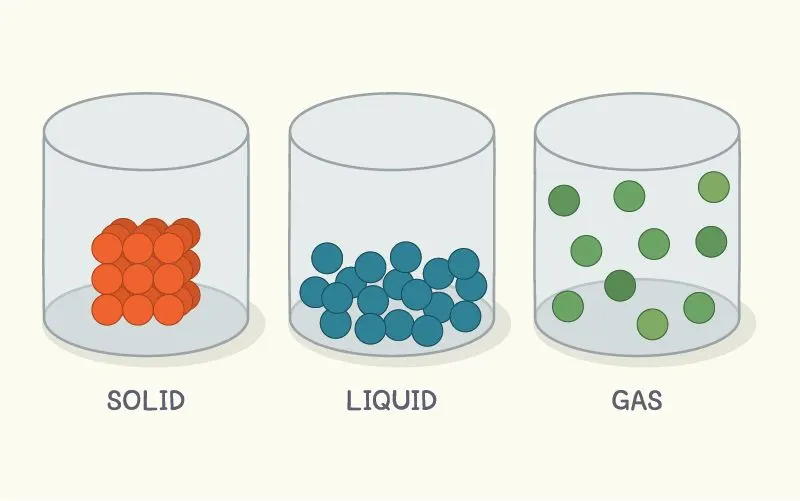
The different forms of \({H_2}O\) in three different phases are ice (solid), water (liquid), and gas (vapour). The intermolecular spaces in solid particles are very low, they are tightly bound to each other. The intermolecular spaces are comparatively higher in liquids and become maximum in vapours. With the increase in temperature, the kinetic energy of the molecule increases, and the intermolecular interaction between the particles decreases. That is why, on the application of heat, ice is transformed into water and then to vapour Melting and boiling depend on the pressure of the environment. On this basis, a pressure cooker is used to make food in daily life.

lead magnet
 solids are tightly bound to each other as compared to liquids. Gases are very loosely bound to each other.

What is the melting point of ice?

The melting point of a substance is the temperature at which a solid and liquid phase may coexist in equilibrium, and the temperature at which matter changes from solid to liquid form. The term applies to pure liquids and solutions. The melting point depends on pressure, so it should be specified. This melting point of ice is 0℃. If the temperature increases beyond the melting point, it doesn’t increase the temperature of the matter. Rather, it helps to transform the ice completely into the water. This is known as the ‘latent heat of fusion’ of ice.

What is the boiling point of water? 

With the addition of further heat, the water (liquid) reaches its vapour phase (gaseous state) at a particular temperature. This is the boiling point of water. The boiling point of water is 100℃. The heat that helps to convert the whole water into the gaseous state is known as the ‘latent heat of vaporisation’ of water. 

Online Science Course for Classes 6th, 7th, and 8th. Clear your doubts from the Science experts teacher.

Method to determine the melting point of ice:

The melting point of ice is 0℃. It is determined in a laboratory in the following steps-

  • Some ice cubes are taken in a beaker and a thermometer is dipped in it. 
  • Heat is applied gently by the Bunsen burner below the beaker.
  • The changes in the state of the ice are monitored every minute and the temperature is recorded at which the whole ice is transformed into water. 
  • The temperature at which the ice starts melting is noted as \({t_1}\) and the temperature when all the ice melts is noted as \({t_2}\).
  • Then the average of \({t_1}\) and \({t_2}\) is calculated. This mean temperature is known as the melting point of ice. 

In this way, the melting point of ice is determined.
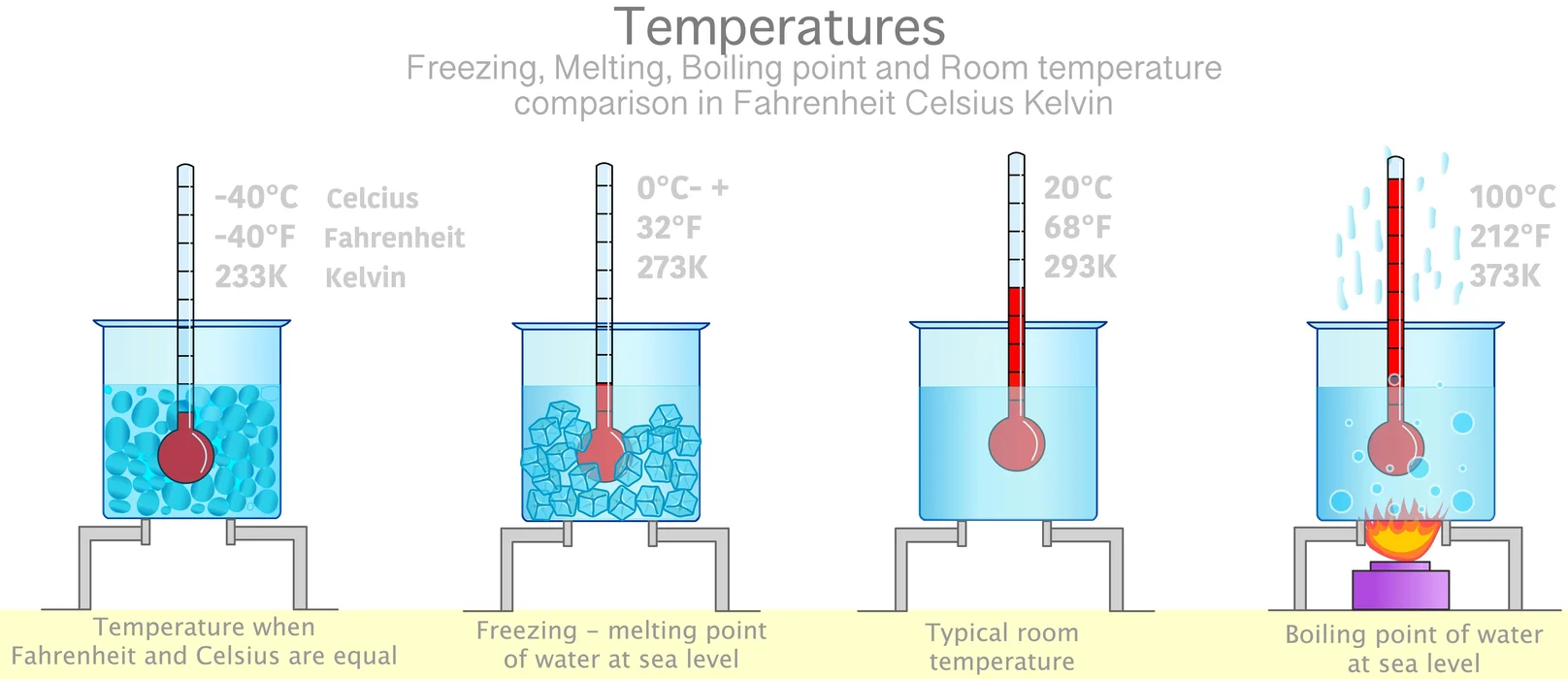
The ice (-4℃) is transformed into ice at 0℃. Then the ice starts to melt into water and on further heating, the water transforms into a vapour state at 100℃.
lead magnet

Method to determine the boiling point of water:

The water boils at 100℃. It is measured in the laboratory in the following steps-

  • A suitable amount of water is taken in a round bottom flask and its mouth is sealed properly with a rubber cork. 
  • A thermometer is inserted through a hole in the cork into the r.b flask without touching the water surface. 
  • The r.b flask is then heated by a Bunsen burner, and placed on the bottom of a wire gauge supported by a tripod stand. 
  • A thermometer reading is taken at a certain interval and the temperatures are recorded. 
  • A thermometer reading is taken continuously throughout the boiling of water. 

In such a way, the boiling point of water is measured. 
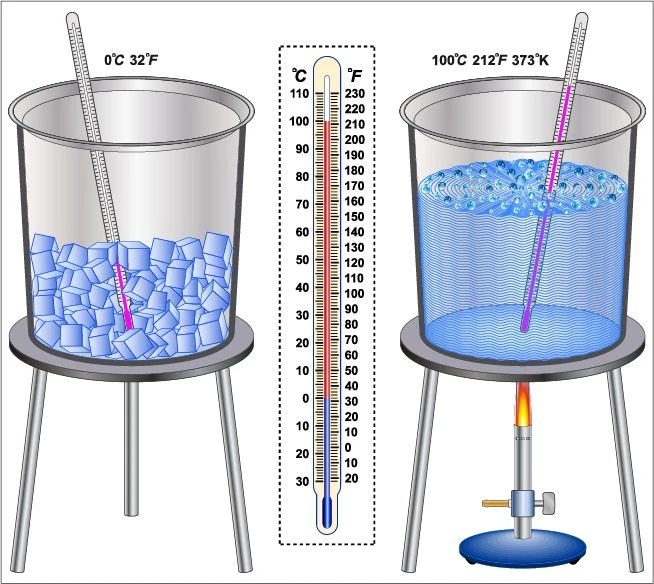
melting point of ice is 0℃ and the boiling point of water is 100℃.

Factors influencing the melting point and boiling point: 

FactorsMelting pointBoiling point
Pressure With an increase in pressure, the melting point decreases.With an increase in pressure, the boiling point increases. 
Impurities Impurities like soluble salts decrease the melting point. The presence of impurities increases the boiling point.
Size of substance With an increase in the size of the substance, the melting point increases.With an increase in the size of thesubstance, van der Waals interaction increases henceboiling point increases. 
Intermolecular forcesThe melting point increases with an increase in intermolecular interactions, as more energy is needed for bond cleavage.The stronger the intermolecular forces, the lower the vapour pressure. As a result, the boiling point increases. 

Summary: 

The temperature at which ice starts to melt into water is called the melting point of ice (0℃). And the temperature at which water starts to form vapour is termed the boiling point of water (100℃). Intermolecular interaction decreases while moving from ice to water to gas. So, through the melting point of a solid and the boiling point of the liquid, one can have an idea about the extent of interaction among the particles. Moreover, the presence of impurities can be determined from the melting and boiling point values. 

Frequently Asked Questions 

1. Can the size of a molecule affect the melting point value?

Ans: With an increase in size, the van der Waals forces among the molecules increases. As the melting point highly depends on attractive forces i.e. van der Waals interaction, the size can impact the melting point value of the molecule. 

2. Why is the boiling point of water always considered to be 100℃?

Ans: The liquid will start to boil once the vapour pressure of the liquid matches the atmospheric pressure in the region. The point at which water boils is highly influenced by the vapour pressure. At 100℃, the vapour pressure around sea level equals the surrounding air pressure. So, it is considered the boiling point of water. 

3. How can one identify a substance by its melting point?

Ans: Various organic, as well as inorganic compounds, can be identified from their melting point. Also, the extent of purity can be known from their melting point values. If the substance is pure, it will show a sharp melting point instead of a range of melting points in case of an impure substance. 
Separation of Mixture

Introduction

A “mixture” is a combination of two or more substances, such as water and sand, salt and water, or a solution of two solutes, for example. These mixtures are not chemically linked. Hand-picking, winnowing, filtration, distillation, and other techniques are used to separate them. The mixture can be solid in solid, liquid in liquid, gas in gas, and so on. Seawater is also a salt-water mixture. The “evaporation method” is used to separate salt from seawater. Different techniques are used to separate different types of mixtures.

lead magnet

Methods of Separating Mixtures:

Depending on the type of mixture, there are various methods for separating it. In 1840, some prospectors used water to separate gold from a mud mixture; the mud containing gold was filled with water in a pan.

After a while, the pan was twisted to remove the dissolved material, and gold settled in the pan due to its weight. Panning is the process of separating gold from water.

Substances in our environment exist as mixtures, of which there are two types: “homogenous” and “heterogeneous” mixtures.

Different techniques are used to separate them.

Hand-picking: 

Hand-Picking method for separation of heterogeneous solid mixtures


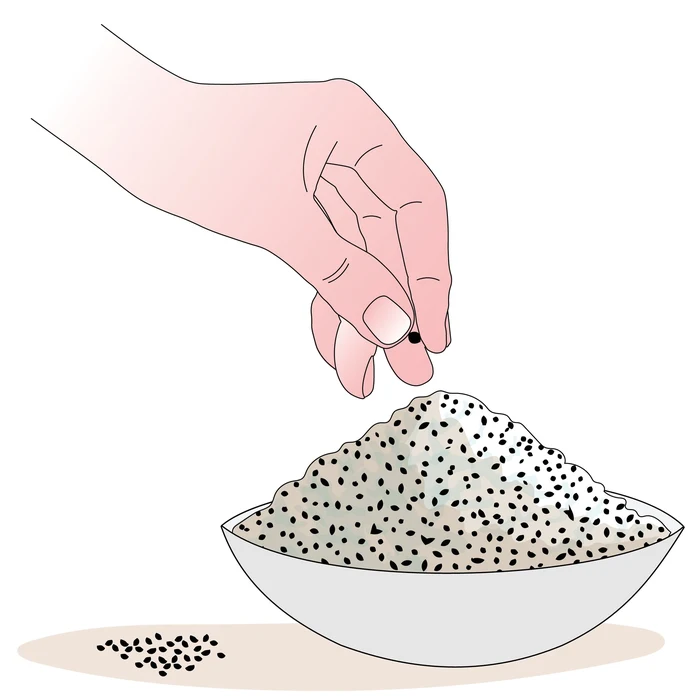
The hand-picking method is used to separate the mixtures that are less in quantity and the size of the particle is big. It is usually used to separate stones from grains, rice pulses, etc at home and groceries shops. In this type both the components are in solid form, these are big enough to separate them by hand.

Threshing:

This method is widely used to separate grains from twigs. Farmers use this method to separate hard wheat, rice, pulses, and other grains from their stalks. When food grains reach maturity, the farmer harvests and dry them in the field.

This method is widely used to separate grains from twigs.

Winnowing:

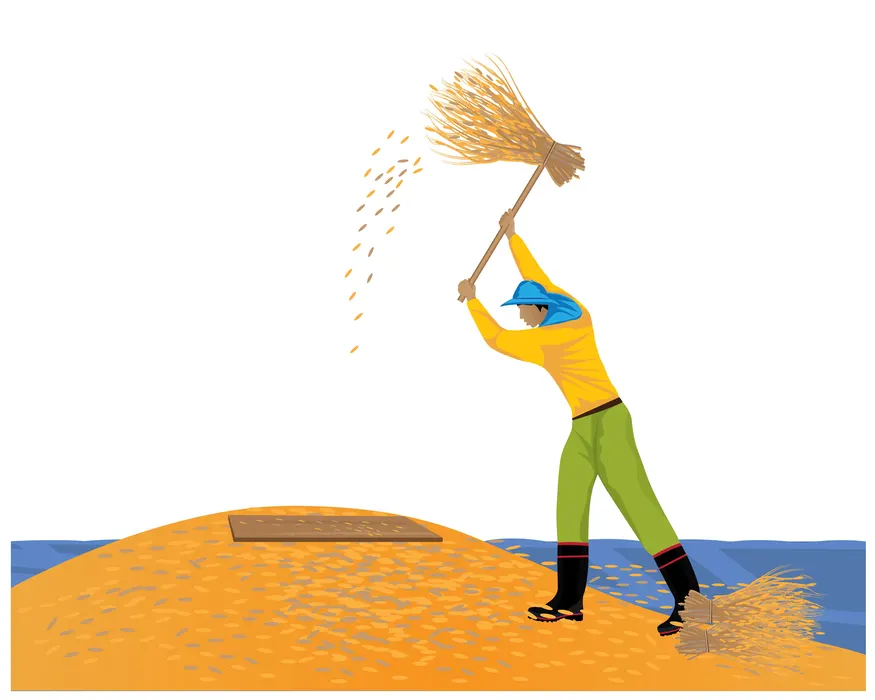
This method is used to separate the husk from grain or pulses with the help of “ wind” that’s why it is named “winnowing”. 

  • In this method, the grains separated by the threshing method contains small twigs, and a husk that is quite thin and light in weight. 
  • The grains containing husk are taken in a winnowing basket. The farmer stands at a particular height, taking that basket in the direction of the wind. 
  • The farmer falls the grains, the husk, and the twigs get separated by the flow of wind and the grains get cleaned.Winnowing is the process of separating the chaff from the grain.

Evaporation

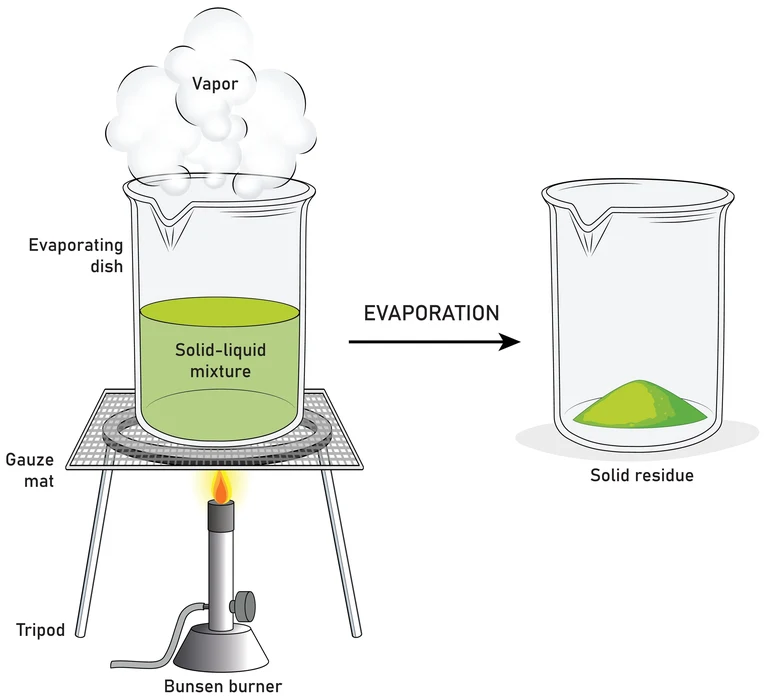
  1. To separate the mixture into liquid form, “the evaporation technique” is used. The volatile material evaporates, leaving behind a non-volatile solid in the container.
  2. The mixture is heated in this method until the liquid portion of the mixture evaporates.
  3. The mixture’s solid component is left in the container.
  4. This method separates salt from seawater.Evaporation method for separation of solid-liquid mixtures
lead magnet

Distillation

The “distillation method” is used to separate two or more mixed liquids.

  1. A “distillation apparatus” in this method is a plant that contains a flask, a thermometer, a condenser, and a collecting flask (distillate).
  2. The mixture is heated to a specific temperature in the distillation flask.
  3. The liquid begins to boil and turns into vapour.
  4. This vapour is collected in a “distillate” after being condensed in a condenser.

Filtration 

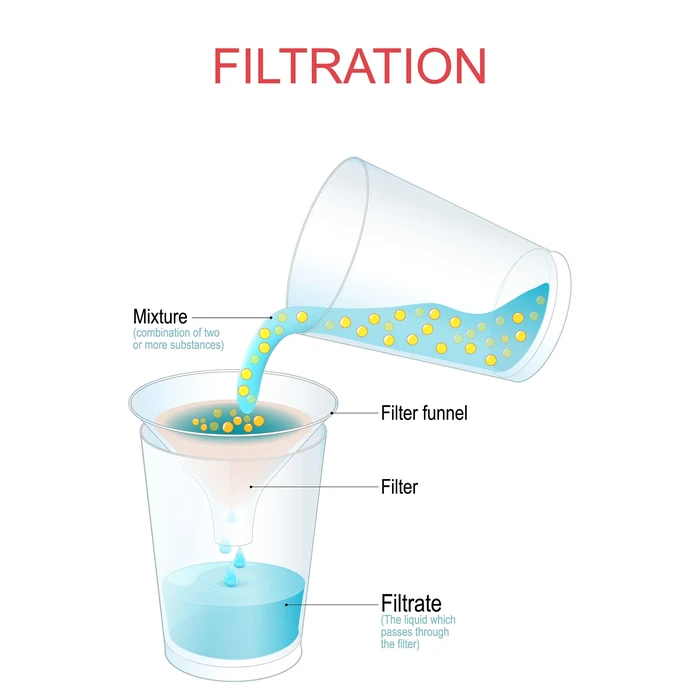
It is a common technique for separating liquids from insoluble solids.

  1. The “filter paper” is used in the filtration process to separate liquid from the mixture that is large enough to become trapped in the porous material.
  2. To separate water from a sand and water mixture.
  3. Heavy impurities are settled down during the sedimentation process.
  4. The first liquid, which is above, is then slowly separated from the flask.
  5. This method is used to separate mud and water mixtures.separation process that separates solid matter and fluid from a mixture using a filter.

Summary

The elements in the environment are found in combination with other elements. These are both homogenous and heterogeneous mixtures. The mixture can exist as a liquid, solid, or gas. The two materials are not chemically bonded. Depending on the type of mixture, different methods are used to separate it.

Frequently Asked Questions

1. How are the essential oils extracted from the flowers?

Ans. Steam distillation is used to separate the essential oils. The liquid is converted into steam in this process, and the steam vaporises the material with it before being condensed and separated in a retort.

2. Which mixture is separated using cryogenic distillation?

Ans. This method is used to separate the acid gas mixture from the gaseous mixture, LPG, and is similar to removing CO2 from LPG.

3. How are fatty acids, resins, and wax separated from the mixture?

Ans. Drugs, esters, fatty acids, tocopherols, resins, and wax are separated from mixtures using short-path distillation.

Mixture and Compound

Introduction

Mixing various compounds is a key aspect of Chemistry. In science, a mixture is a substance mixed with 2 or more relatively simple materials. These substances can be either elements or compounds. Compounds are unadulterated substances. They are composed of the same molecules. A compound’s molecules are made up of two or more different types of atoms that are chemically bonded together. Mixtures are composed of two or more substances — elements or compounds — that are physically but not chemically combined; they lack atomic bonds. Pure substances are elements and compounds that contain only one type of molecule. A mixture is made up of two or more different types of pure substances. In a mixture, the molecules of these substances do not form any chemical bonds. A mixture’s components retain their chemical independence while physically blending together. These components are frequently visible and distinguishable visually.

lead magnet

What is a Mixture?

A mixture would be a substance made up of 2 or even more components that have been physically mixed to maintain the characteristics of those constituents. In plenty of other terms, the properties of a mixture have been fully determined by the components that are present. We may divide the mixture into groups based on particle size as well as uniformity.

Types of Mixtures

Mixtures can often be divided into two types:

  1. Homogeneous Mixtures
  2. Heterogeneous Mixtures

Homogeneous Mixtures

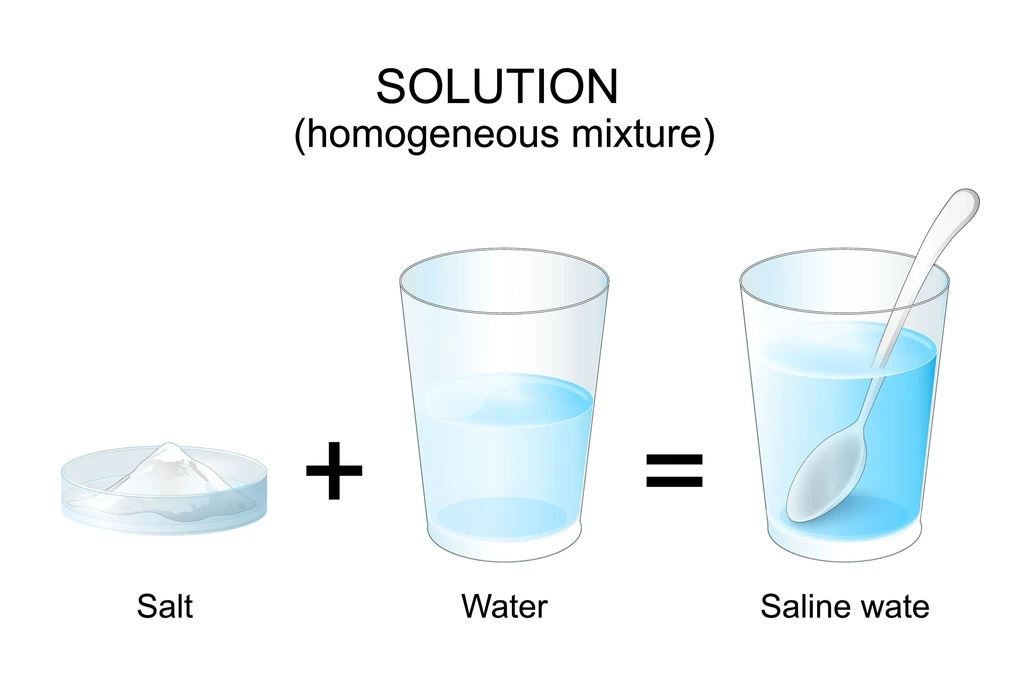
Homogeneous mixtures are those that have the same composition but also characteristics across their mass as well as body. Light does not flow via these elements. Sugar syrup, alcohol, as well as water are all homogeneous mixtures with particles of varying sizes that make identification difficult.

Heterogeneous Mixture

A heterogeneous mixture is a mixture in which the composition is not uniform throughout the mixture. Vegetable soup is a heterogeneous mixture. Any given spoonful of soup will contain varying amounts of the different vegetables and other components of the soup.

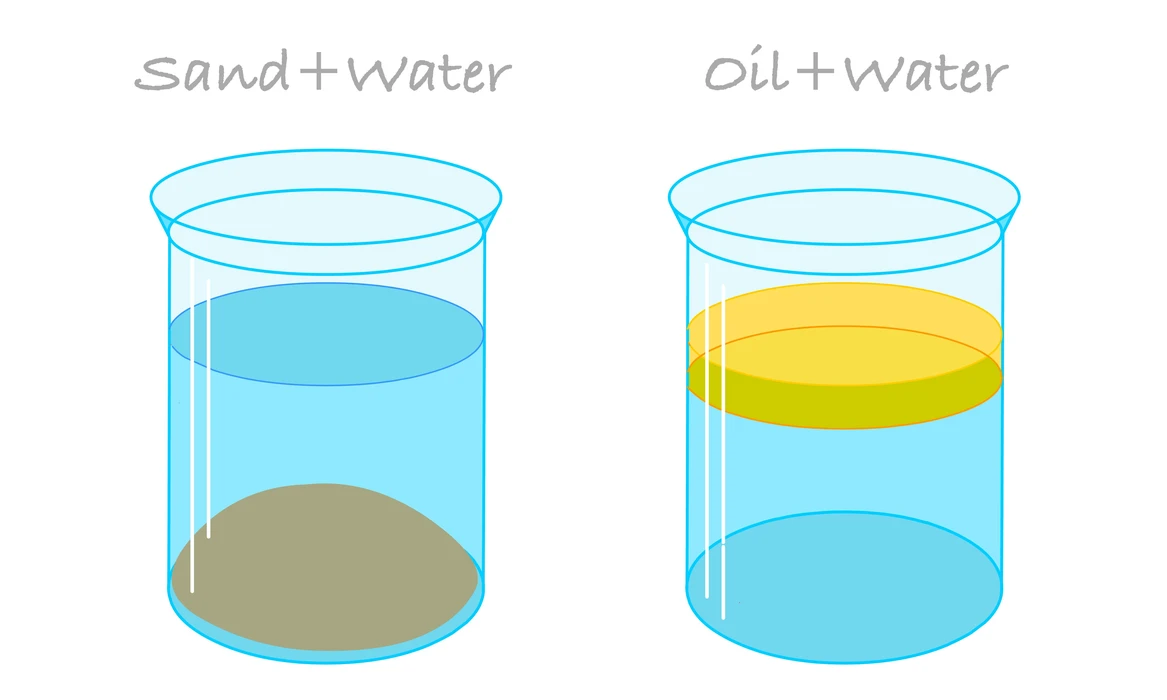
Heterogeneous mixtures include those mixtures that do not dissolve properly but also do not have similar content. Particular elements are frequently detectable and might even be isolated using both chemicals and physical properties due to such characteristics. Suspensions, as well as colloids, are often the 2 types of heterogeneous mixtures. For example, water and sand, blood, or starch.

What are Compounds

Compounds are atomic components as well as other elements that are linked collectively with a chemical bond. Depending on the substance, such a bond might be ionic, covalent, as well as metallic. Because all compounds possess a fixed ratio of components, they are uniform. Certain substances differ from elements that normally mix to form only one compound unit in terms of their characteristics. Furthermore, a chemically bonded molecule cannot ever be physically detached.

lead magnet

Types of Compounds

Compounds are classified into 3 types:

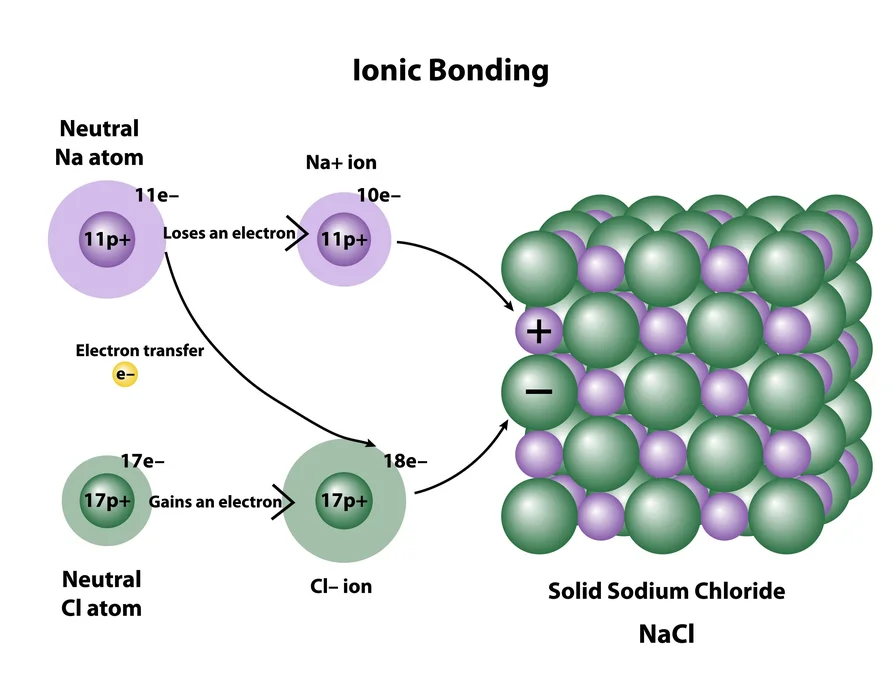
  • Ionic compounds: They are made up of two oppositely charged ions. Electrostatic attraction holds the ions connected. Water is usually reactive in ionic compounds.Made up of two oppositely charged ions.
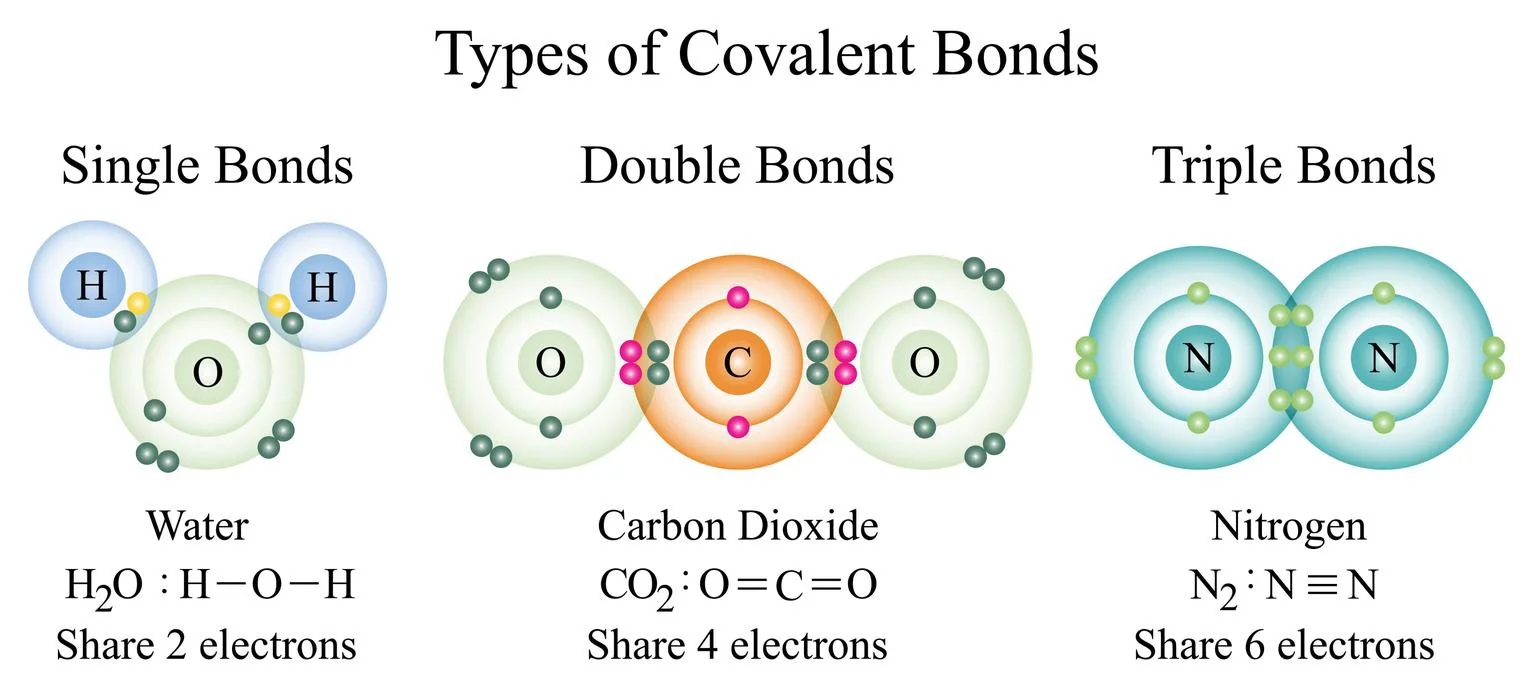
  • Covalent compounds: They’re made up of atoms that exchange electrons and are also non-polar, which means they don’t even react with water. Made up of atoms that exchange electrons

Examples of Compounds

  • Water: This is composed of 2 elements: 2 hydrogens as well as 1 oxygen.
  • Methane: It is composed of 2 elements: carbon as well as hydrogen.
  • Table salt: Sodium, as well as chlorine, are indeed the 2 elements found in table salt.
  • Glucose: It is composed of 3 elements: carbon, hydrogen, as well as oxygen.

What are the differences between Mixtures and Compounds?

CompoundsMixtures
Chemical interaction between two or more components tends to produce compounds.Mixtures are introduced by directly integrating two or more elements in such a way that no chemical reaction occurs between both components.
To yield a compound, elements must always join in a defined mass proportion.The proportion of elements is not set or could change.
Throughout the development of a compound, its energy changes.There is no change in energy.
It cannot be removed physically and must be separated using sophisticated scientific methods.Physical separation of mixtures is possible.
The constituents’ properties are lost, or the compound generated has distinct physical as well as chemical properties.A mixture’s constituents maintain its original properties.
Organic as well as inorganic compounds, both are possible.Homogenous as well as heterogeneous mixtures can exist.
In compound initiation, new bonds have been generated.There is no new bond forming.
The melting or boiling points of compounds are fixed.The melting or boiling points of mixtures are not set.

A mixture is formed by mechanically combining two or more components while retaining their distinct characteristics. It can exist as solutions, suspensions, or colloidal particles. Chemical components and compounds, for example, can be mechanically blended or mixed to form mixtures, but no chemical binding or another type of chemical transformation occurs, so each constituent retains its distinct chemical properties.

Frequently Asked Questions

1. What are the basic types of the mixture?

Ans. Two broad categories of mixtures are- 

  • Homogeneous mixtures
  • Heterogeneous mixtures

2. Bronze is an alloy or mixture of which metals?

Ans. Bronze is a solid-solid mixture of copper(Cu) and Tin(Sn).

3. The solution is which type of mixture?

Ans. The solution is a homogeneous type of mixture where all the components or substances are uniformly distributed that cannot be separated manually or physically.

Meaning and Importance Of Apiculture

Introduction

Apiculture is the practice of culturing honey bees on a bigger scale to yield beeswax and honey. It is a scientific approach to rear the bees in man-made hives, raising their numbers and caring for them. Beekeepers or apiarists are those who practice apiculture. Man-made beehives are artificial bee hives. These are made of wooden boxes and contain rows. Bees stay in these hives and fill the rows with wax, honey, etc. The designs of these hives should be such that they will facilitate the healthy growth of bees and honey harvesting.

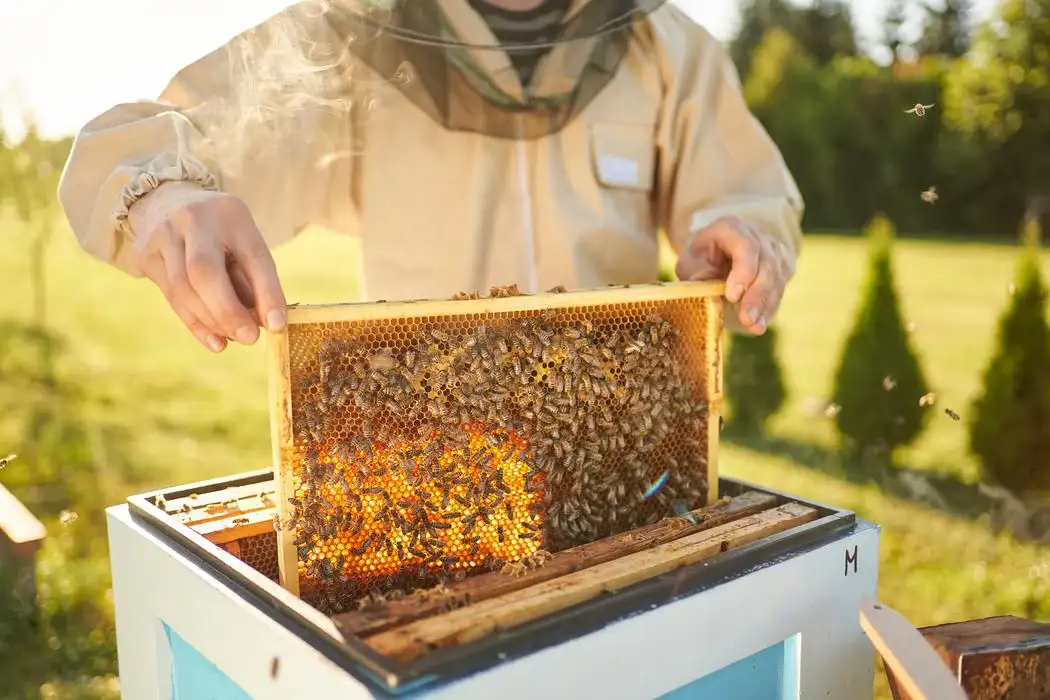
man extracting honey from bee hive

How honey is collected by honey bees?

Long distances are covered by worker bees as they search for food. Their honey stomachs serve as temporary storage for the nectar they obtain from flowers. When they get to the hive, they regurgitate this nectar and deposit it in honeycombs. The regurgitation is a viscous liquid called honey that has undergone dehydration.

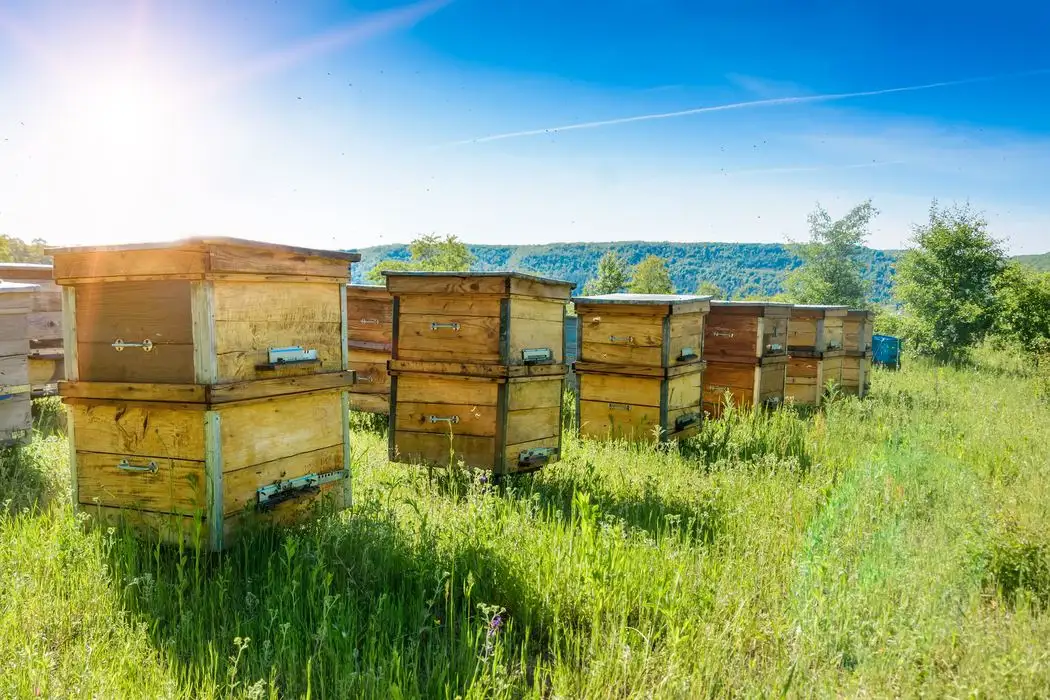
Artificial bee hives.

The life cycle of the Honey bee

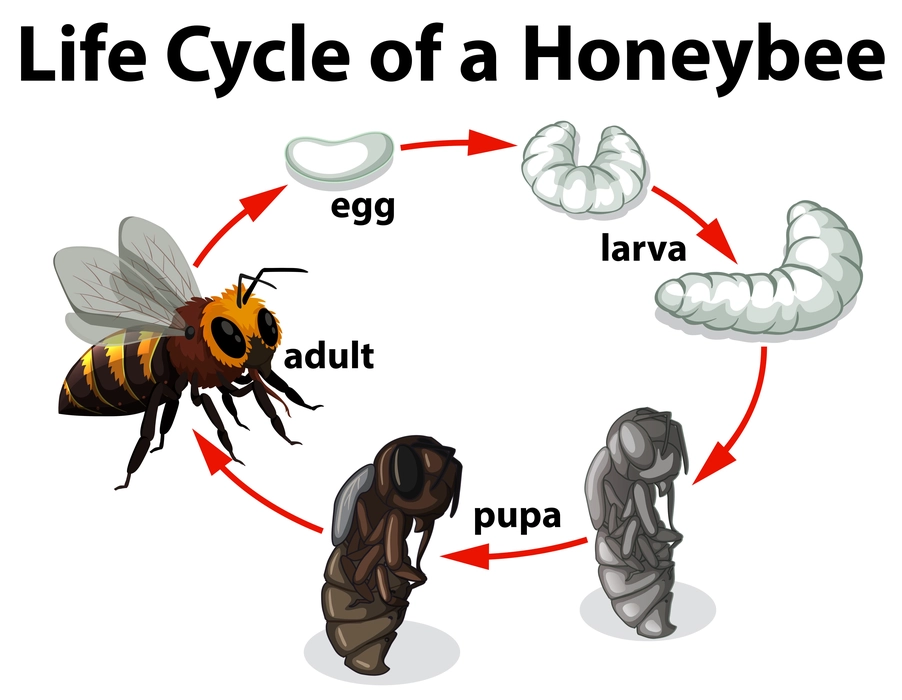
Honey bees go through four developmental stages. They begin as eggs, grow into larvae, then transition into the pupa stage before reaching adulthood.

  • Egg stage- After a drone successfully fertilizes a queen bee,  she lays both fertilized and unfertilized eggs. A queen bee may produce between 2000 and 3000 eggs every day, each of which is contained in a cell. Unfertilized eggs grow into male drones, whereas fertilized eggs become worker bees.
  • Larval stage-After three days the eggs hatch into worm-like larvae.  Larvae are without legs, wings, or other appendages. Royal jelly is provided to larvae during the first two to three days, followed by pollen and honey. Only royal jelly is used to feed the queen larva.
  • Pupal stage-In this stage the larvae wrap themselves up in a cocoon and enclose themselves in their cells. During the pupal stage, all organs such as the abdomen, head, eyes, thorax, and appendages including wings, legs, and antennae are developed completely.
  • Adult stage- Once the larvae develop, they appear like adult bees after they hatch out from the capped cell.

Diagram of life cycle of honey bees.

Common varieties of bees

Common honey bee species include-

  • Apis dorsata.– As well known as rock bees they are enormous, vicious bees. The raising of rock bees is challenging.
  • Apis Florea– Referred to as “little bees” because of their tiny size. They rarely sting, but because they move around a lot, domestication is fairly challenging.
  • Apis melliferaAlso known as the western bee or European bee. It is the most domesticated species in the world and stings less frequently.
  • Apis indica– Frequently called Asian bees or Indian bees. They originated in Asia and are simple to domesticate to make honey.

Importance of Beekeeping

  • The purpose of apiculture is to produce bee products that have a marketable value.
  • Honey is the main apicultural product that is obtained. Because of its distinct sweetness, honey is employed extensively in the food sector.
  • Additionally, several therapeutic herbs and honey are combined in some traditional medicines.
  • The glandular fluid made by honey bees for the construction of the honeycombs in which they store their honey is known as beeswax.
  • In the production of soaps, candles, and cosmetics, beeswax is commonly used.
  • Another type of glandular fluid produced by worker honey bees, which is used for feeding queen bee larvae is the royal jelly.
  • This royal jelly improves collagen synthesis and helps women who are experiencing menopause-related issues.
  • Propolis, a resin-like substance made by honey bees, has antiviral and antibacterial properties.
  • Bee venom has been shown in several trials to be effective in combating the Human Immunodeficiency Virus (HIV).
  • Beekeeping also has environmental benefits as bees are great pollinators and help in fruit formation.

Summary

Apiculture is the scientific process of rearing honey bees in artificial hives to produce bee products such as honey, wax, royal jelly, and propolis for the market. An apiculturist is a person who does apiculture. In addition to providing advantages to business and industry, apiculture supports numerous plant species through pollination.

  • The species of bee most frequently raised for the production of honey is Apis mellifera.
  • Apiculturists take care of wooden-framed hives where honey bees can breed and grow.

Most apiaries are designed around bee pastures because they make excellent locations for bee foraging. Queen bee, worker bees, and drones are present in every bee colony. Within their colony, they are assigned specific duties. The life cycle of honey bees has four stages. Queen bee lays eggs that completely metamorphose into adult bees. 

Frequently Asked Questions

1. How do bees act as pollinators?
The pollen grains from stamens land on the hairy region of the hind legs of the bees while they are collecting nectar. When the honey bees visit another flower they deposit pollen grains there and hence aid in cross-pollination. Honey bees are therefore referred to be pollinators because of this.

2. What are the various types of bees found in a bee hive?
Ans: There are a lot of bees within the bee hive. They can be divided into three primary groups.

  • Queen Bee- The only female in the bee hive with the ability to lay eggs is the queen bee. The queen uses pheromone emissions to regulate the entire hive population.
  • Drones or male bees- They are the male population of the hive that fights it to mate with the queen bee. After mating, the drone bee dies.
  • Worker bees- These bees are female and unable to lay eggs. They are the bee hive’s active population. Worker bees perform a variety of tasks, such as maintaining and cleaning the hive, and feeding larvae and queen bees. They produce honey and gather the nutrients required for the hive population.

3. Who is known as the father of apiculture?
Ans: The father of modern apiology and apiculture is Johann Dzierzon. Most modern beehives derive from his design.

Solutions, Colloids and Suspensions

Introduction

The colloidal solution is one of the significant components of a mixture, along with the two adjacent combinations: true solutions and suspension solutions. In different physical and chemical procedures, all three solutions have variable characteristics and properties, and the significant difference lies in the particle size, appearance, and separation procedure. The three solutions have distinct reactions to the various chemical processes. The dissolving properties of the mixtures differ between the three mixtures due to the variable nature of the solute and solvents involved.

What is a True Solution?

A true solution is a homogeneous combination of two or more substances. In this case, the particle size of the dissolved material in the solvent is less than 10-9 m or 1 nm. Homogeneous means that the mixture’s components form a single phase. The filtration process will not be able to separate the solute from the solution in the solution.

The solute particles do not settle out. The light will never scatter in a true solution. Another distinguishing feature of a genuine solution is its clarity and transparency. A sugar solution in water is an example of a true solution.

What is a Suspension solution?

A suspension solution is a mixture of two or more substances in which the solute particles do not dissolve and remain suspended throughout the solution. Solids are dispersed in liquids in suspension solutions. The particles of the solute are easily visible to the naked eye.

Because the particles are large, they scatter light rays. The path of the ray through the solution is easily visible. Using the filtration method, the particles in the suspension solution can be easily separated. A mixture of chalk and water is a common example of a suspension solution.

An aerosol is a liquid droplet suspension in a gas. Suspensions are further classified based on two factors: a dispersed phase and the dispersion medium.

Want to get an “A” on your Science exams? Let our expert teachers be your guide toward improving your grades and reaching your highest potential. Study Science Subject for classes 6th, 7th, and 8th.

What is a Colloidal Solution?

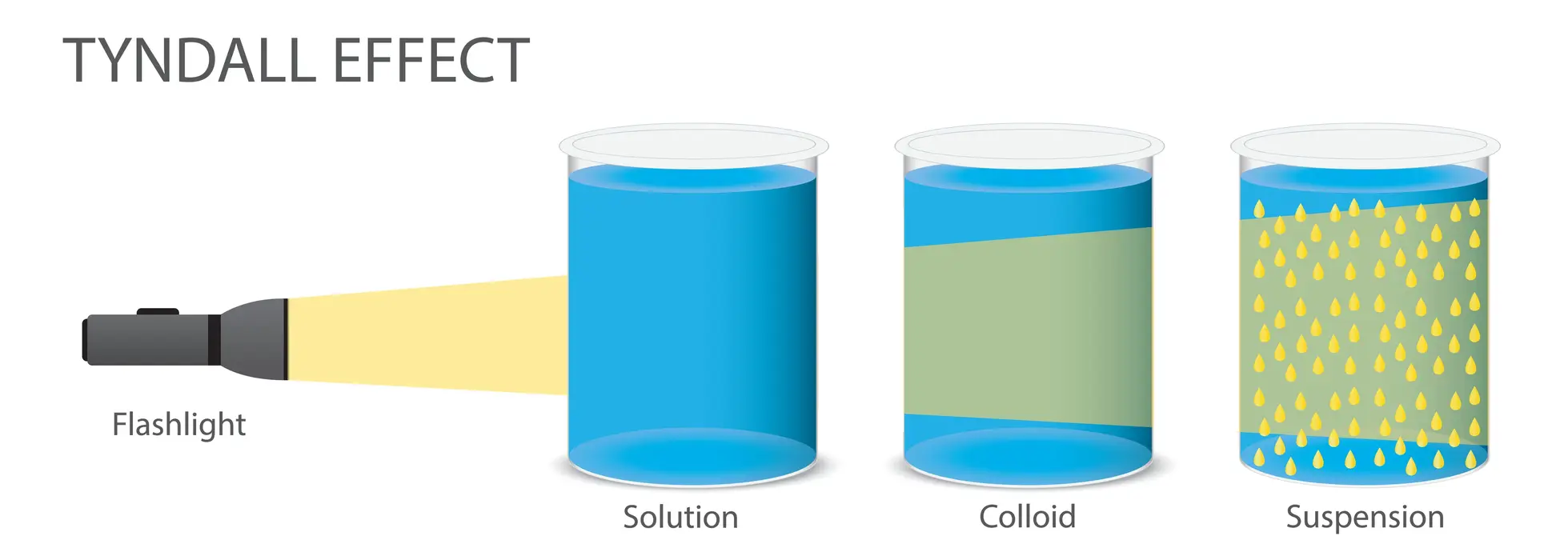
A colloidal solution is a fluid-suspended mixture of particles of various substances. The particles are microscopically dispersed and soluble/insoluble in this case. Suspension and colloidal solutions are tiny materials that are uniformly distributed. Some of the colloids are translucent due to the Tyndall effect. Some colloids, on the other hand, can be opaque.

You may have heard the term ‘Hydrocolloids’ in the colloids section. This term refers to chemicals that are colloidally dispersed in water. As a result, the solution becomes soluble, altering the rheology of water. 

Colloidal systems can exist in three different states: gas, liquid, and solid. Whipped cream and perfume are two examples of colloidal solutions.

Differences between True Solutions, Colloids, and Suspensions

AttributesTrue SolutionsColloids Suspensions
MeaningA true solution is a mixture of two or more substances that is homogeneous.A colloidal solution is a heterogeneous mixture of particles of different substances suspended in fluid that are microscopically dispersed and soluble/insoluble.A suspension solution is a mixture of two or more substances in which the solute particles do not dissolve and remain suspended throughout the solution.
SizeThe particles in the true solution are tiny (less than 1 nm)The particles in the colloidal solution are neither small nor large (1-100 nm).The particles in the suspension solution are large (more than 100 nm)
Visibility to the Naked EyeThe particles are invisible to the naked eye.The particles are visible to the naked eye.The particles are visible to the naked eye.
Scattering of LightTrue solution particles do not scatter light.The colloidal solution’s particles are large enough to scatter a light beam.The suspension solution’s particles are large enough to scatter a light beam.
ExampleSugar SolutionBloodSand in Water
Tyndall effect

Summary

So, as you can see, even though these three solutions appear to be the same, they are not. Each of the three solutions has its own set of characteristics. We hope this article answered all of your questions and helped you understand the differences between true solution, colloidal solution, and suspension.

Frequently Asked Questions (FAQs)

1. What is Ultracentrifugation?

Ans. It is the process of using centrifugal force to separate colloidal particles from contaminants. The impure sol is collected in a tube, which is then placed in an ultracentrifuge.

2. Why are the colligative properties of colloids of low order?

Ans. Because colloidal particles are larger aggregates, the particles in colloids are smaller than in a true solution. As a result, when compared to true solution values at similar proportions, measurements of colligative qualities are of low order.

3. Which effect confirms the heterogeneous nature of the colloidal solution?

Ans. The Tyndall effect confirms the colloidal solution’s heterogeneous character. As light travels through a sol, it is scattered by particles, revealing its route and called as Tyndall effect.

What Is Amniocentesis? – Definition, Procedure

Introduction

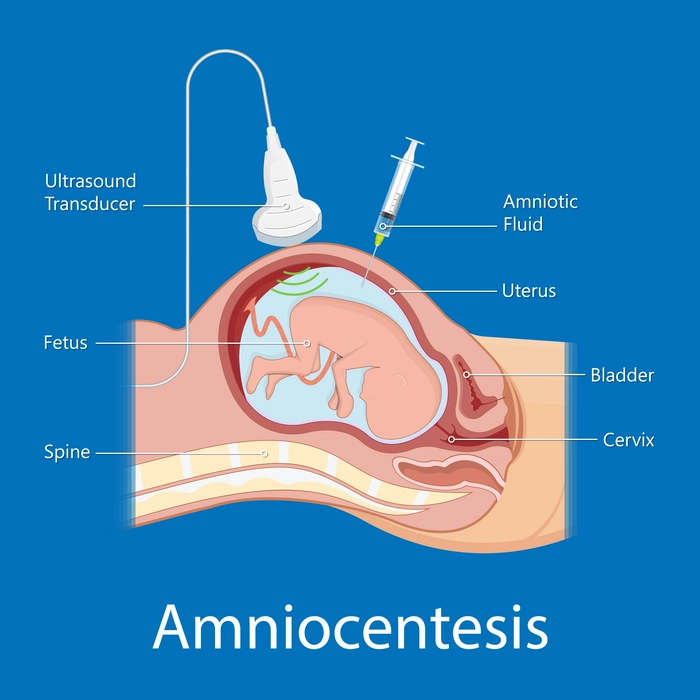
The word ‘amnio’ (Greek in origin) means inner membrane around the foetus and ‘centesis’ means to prick i.e. amniocentesis refers to the procedure of obtaining amniotic fluid by making a tiny puncture in the inner membrane surrounding the foetus. It is a prenatal test which is carried out before or during pregnancy. Amniocentesis is a procedure used to detect particular genetic disorders which may be due to some chromosomal abnormalities or aberrations. Genetic disorders such as colour blindness, haemophilia, Turner’s syndrome, Down syndrome, etc can be detected through this process. It is often carried out after 15 weeks of pregnancy, or after the first trimester (3 months). If an abnormality is found during this process, then depending upon the health of the baby the decision will be taken whether to continue the pregnancy or not.

Procedure of Amniocentesis 

Amniocentesis is performed by a team of professionals. A small amount of amniotic fluid is removed from the abdomen using a needle and is submitted to a lab for analysis. Amniocentesis is an intrusive process that involves inserting a needle into the uterus.

The procedure of amniocentesis is as follows-

  • Ultrasound-To determines the position of the placenta, the foetus’ movements, and the features of the amniotic fluid an Ultrasound is conducted. An ultrasound helps to decide which needle to use, the area where the needle will be inserted and the angle at which the needle can be administered.
  • Sterilisation-To reduce the danger of infection, the abdomen is first sterilised with an antiseptic, and tools with heparin coatings are used to prevent blood clotting.
  • Needle insertion-Depending on the doctor’s preference, either a single-needle or two-needle approach is employed for the needle insertion. To ensure that a good quality sample is extracted the needle is injected in a specific location, and 20 ml of amniotic fluid is extracted.
  • This fluid collected is sent to the laboratory for analysis of any genetic disorders.

amniocentesis diagram

Reasons  for performing  Amniocentesis 

Some of the common reasons to perform amniocentesis are as follows-

  • The main purpose of amniocentesis is to find genetic disorders such as Down syndrome, Turner’s syndrome etc.
  • Additionally, neural tube abnormalities, in which the brain and spinal cord are still immature, can also be found through this process.
  • It is used to determine whether the lungs of the developing foetus are mature enough for the foetus to take birth.
  • When a mother’s blood has an Rh infection i.e. the mother’s blood produces antibodies against foetal blood the baby may develop anaemia. This can be detected by amniocentesis and can be cured.
  • Sometimes excessive amniotic fluid gets accumulated in the body, then this process can detect it and excessive amniotic fluid can be removed.
  • DNA from the collected amniotic fluid is used in paternity tests to determine blood relations.

Summary

Genetic disorders in the growing foetus are identified using a procedure called amniocentesis. The defects in chromosomes created during cell division are the root cause of genetic diseases. Amniotic fluid, which contains foetal cells, surrounds the foetus. This fluid is sampled in small amounts to perform the examination and look for any abnormalities in the foetus. If there are any abnormalities then depending on the condition of the baby and its health the decision of aborting the child or keeping the child is taken.

Frequently Asked Questions

1. What are the various risks involved in the process of amniocentesis
Ans: There are various risks associated with the process of amniocentesis such as-

  • Amniocentesis can cause miscarriages as a small cut is made to extract the amniotic fluid.
  • This procedure can cause cramping in the mother as she has to stay still during the entire process.
  • There is a high chance that this process can cause injuries to the foetus.
  • If the process is not done correctly then it might cause leaking of the amniotic fluid through the point of puncture.
  • If by chance this process is done in the second trimester of the pregnancy then there are chances of preterm labour.

2. What precautions should be taken post performing amniocentesis
Ans: Following precautions should be taken post-amniocentesis-

  • Normal activities can be resumed after the amniocentesis operation, however rigorous activities should be avoided for up to 24 hours.
  • If post operation she suffers vaginal bleeding or a significant loss of amniotic fluid, she must immediately see a doctor.
  • If the mother has a fever, severe uterine cramps for more than a few hours, and no abnormal foetal activity and redness or inflammation where the injection was made, then she should immediately see the doctor.

3. What happens if a test for Down syndrome is positive?
Ans:  If the test results are positive you will be offered a diagnostic test, typically a chorionic villus sample (CVS) or maybe an amniocentesis, Whether or not the pregnancy is truly impacted will be depended on the test that is performed. CVS is usually done between 10 and 13 weeks of pregnancy.

Acids Bases Ionization

Introduction

Acids and bases have been defined many times and in many ways. Numerous scientists have suggested various definitions for acids and bases, some of which are highly specific and others of which are quite broad. We come into contact with acids and bases on a daily basis. Except for water, every liquid we used had acidic or basic properties, such as vinegar (acetic acid), soft drinks (carbonic acid), buttermilk (lactic acid), and soap (contains base). The initial definitions were based on the flavour of the substance and how it interacted with other substances.

Ionization of Acids

The degree of ionization is a measure of the acidity or baseness of an acid or base. A strong acid completely ionizes in water, whereas a weak acid only partially ionizes. Because acids have varying degrees of ionization, they also have varying degrees of weakness that can be quantified. The ionization of a weak acid is an equilibrium process.

\[HA{\rm{ }}\left( {aq} \right){\rm{ }} + {\rm{ }}{H_2}O{\rm{ }} \to {\rm{ }}{H_3}{O^ + }\left( {aq} \right){\rm{ }} + {\rm{ }}{A^–}\]

\[{K_a} = \frac{{[{H_3}{O^ + }][{A^ – }]}}{{\left[ {HA} \right]}}\]

The Acid Ionization Constant is defined by the Equilibrium Constant for the Ionization of an Acid \({K_a}\). The higher the acid ionization constant, the stronger the acid. As a result, a strong acid donates more protons than a weak acid. Because the concentration of the product is in the numerator of the Ka constant, the larger the acid ionization constant, the stronger the acid \({K_a}\).

Ionization of Bases

Strong bases are bases that completely dissociate into their ions in an aqueous solution, such as lithium hydroxide or sodium hydroxide. As a result, the ionization of these bases produces hydroxyl ions, which are represented by the symbol \(O{H^ – }\)

\[B{\rm{ }} + {\rm{ }}{H_2}O{\rm{ }} \to {\rm{ }}O{H^–} + {\rm{ }}B{H^ + }\]

\[{K_b} = \frac{{[O{H^ – }] + [B{H^ + }]}}{{\left[ B \right]}}\]

\({K_b}\) is the abbreviation for the equilibrium constant for base ionization. As a result, a strong base indicates that it is a good proton acceptor, whereas a strong acid indicates that it is a good proton donor. Weak acids and weak bases dissociate in water as follows:

\[C{H_3}COOH{\rm{ }} + {\rm{ }}{H_2}O{\rm{ }} \mathbin{\lower.3ex\hbox{$\buildrel\textstyle\leftharpoonup\over{\smash{\rightharpoondown}}$}} {\rm{ }}C{H_3}CO{O^ – } + {\rm{ }}{H_3}{O^ + }\]

\[N{H_3} + {\rm{ }}{H_2}O{\rm{ }} \mathbin{\lower.3ex\hbox{$\buildrel\textstyle\leftharpoonup\over{\smash{\rightharpoondown}}$}} {\rm{ }}N{H_4}^ + \left( {aq} \right){\rm{ }} + {\rm{ }}O{H^ – }\left( {aq} \right)\]

Neutralization Reaction

When an acidic solution is treated with an alkaline solution or aqueous solution of a metal oxide, a salt is formed, and the solution becomes neutral. A neutralization reaction occurs when \({H^ + }\)ions from an acid combine with \(O{H^ – }\)ions from the base of a metal oxide.

The chemical reactions shown below demonstrate the formation of salt.

\[HCl{\rm{ }} + {\rm{ }}NaOH{\rm{ }} \to {\rm{ }}NaCl{\rm{ }} + {\rm{ }}{H_2}O\]

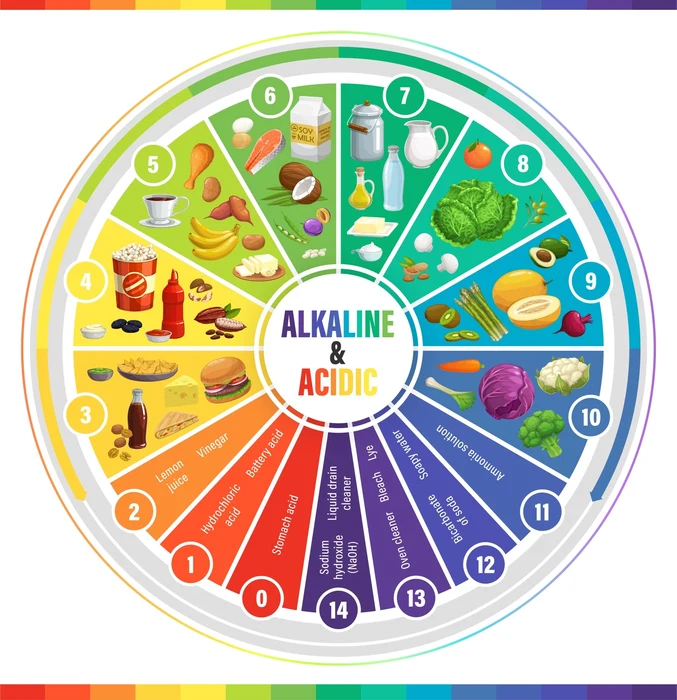
Daily life substances are arranged according to their pH values.

\[{H_2}S{O_4} + {\rm{ }}Ca{\left( {OH} \right)_2} \to {\rm{ }}CaS{O_4} + {\rm{ }}2{H_2}O\]

Summary

The term “ionisation degree” also refers to the proportion of neutral particles in aqueous or gaseous solutions that are ionised to form charged particles. It could be defined as an acid’s or a base’s ability to ionise itself in electrolytes. A low degree of ionisation is sometimes called partially or weakly ionised, while a high degree of ionisation is called fully ionised. However, a fully ionised state can also indicate that an ion has used up all of its electrons.

Arrhenius’ theory states that an acid is a substance that dissociates in an aqueous medium to produce hydrogen ions. A base, on the other hand, is a chemical that produces hydroxyl ions in an aqueous medium. Arrhenius’ hypothesis is especially important in understanding acid and base ionisation. This is because ionisation occurs frequently in watery media. The degree of ionisation of an acid and a base can be used to determine their strength.

Frequently Asked Questions 

1. What do you mean by the Ionisation of acids and bases?

Ans. The degree of ionisation is proportional to the acid or base strength. A strong acid or base is said to completely ionise in water, whereas a weak acid or base is said to partially ionise.

2. Why acids are considered the opposite of bases?

Ans. As acids increase the concentration of hydronium \({H_3}{O^ + }\) in the water while bases decrease it, acids and bases are considered opposed. The reaction between an acid and a base is referred to as “neutralisation.”

3. What effect does ionisation have on pH?

Ans. The concentration of \({H^ + }\)ions and thus the acid’s strength are determined by the extent of dissociation (or ionisation). As a result, the degree to which an acid dissociates or ionises is proportional to its acidic strength (stronger acids have lower pH values).

Air Pollution Control

Introduction

The thin layer of air or gases that surrounds the earth is known as the atmosphere. The earth’s life depends on air, which is a fundamental component of nature. One of the most important worldwide issues is the contamination of the air. The air we breathe is contaminated with dangerous chemicals, biological agents, or physical things which not only harm the environment and materials but also endanger the health of people and other living things. Both natural and artificial causes are contributors to air pollution, but human activity is the main contributor.

Types of Pollutants

There are basically two types of pollutants- 

  • Primary pollutants– These pollutants are directly emitted from various resources and lead to air pollution. Some of the primary pollutants are- Carbon monoxide, Sulphur dioxide, Nitrogen oxides, Suspended particles, Volatile organic compounds, Chlorofluorocarbons, etc.
  • Secondary pollutant-When there is a chemical or physical interaction between primary pollutants and an atmospheric component, secondary pollutants are formed. These secondary pollutants are not any specific chemicals or particles. Some secondary pollutants are- Smog, Ground level ozone, sulfuric acid, nitric acid with water vapour, etc.

Let our expert teachers be your guide toward improving your grades and reaching your highest potential. Study online science tuition for classes 6th, 7th, and 8th.

Causes of Air Pollution

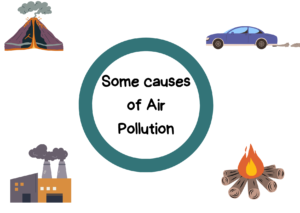
Causes of air pollution are as follows-

  • Burning fossil fuels like coal, oil, and gasoline results in the majority of air pollution since they are used to provide energy for transportation or electricity.
  • Several particulate matter emissions, including, CO2, SO2, and CO, can result in pollution from industrial activity.
  • Smoking tobacco, cooking smoke, hazardous chemicals from home painting supplies, etc. all contribute to air pollution.
  • Ammonia is one of the most hazardous gases in the environment and is produced as a byproduct of numerous agricultural usage.

This image shows the various reasons for air pollution.

Harmful Effects

Air pollution has adverse effects on humans as well as the environment. Following are the ill effects of air pollution-

Air pollution effect on humans-

  • Aerosol sprays and paint removers include methylene chloride, which can be carcinogenic.
  • Gasoline and benzene can lead to leukemia.
  • Lung cancer is brought on by gases generated when fossil fuels are burned.
  • Asthma and other respiratory illnesses like COPD are caused by suspended particles such as dust, pollen, ashes, etc.
  • The likelihood of pneumonia, lung inflammation, chest pain, cough, exhaustion, shortness of breath, and fever is increased by nitric oxide and sulphur dioxide exposure.

Air pollution effect on the environment-

  • Acid Rain is the term for the precipitation of dangerous nitric and sulfuric acids along with rainwater. These gases are generated by the burning of fossil fuels and combine with rainwater to produce various acids, such as nitric acid and sulfuric acid.
  • Aquatic life and various tree species are negatively impacted by acidic buildup in the water body by a major decline in biodiversity.
  • Buildings, monuments, and sculptures built of sandstone, limestone, marble, and granite are damaged and discoloured by acid rain.
  • Ozone depletion occurs due to air pollutant such as CFCs. Due to this depletion UV light then penetrates the earth’s surface and has serious consequences like DNA mutation, skin cancers etc.
  • Also, air pollution causes other harmful effects such as Global warming, and climate change which affect the biodiversity of the Earth adversely.

Prevention

To prevent air pollution following should be done-

  • Reduction of forest fires.
  • Stop burning crackers.
  • All chimneys should contain filters.
  • Use green energy 
  • Using carpooling and public transportation.
  • The Air Act of 1981, which forbids burning fuel that contributes to air pollution, must be followed.
  • Implement planting trees.
  • Paper, plastic, metals, and organic materials should all be recycled and used.

Control

Following ways are there to control air pollution-

  • Reduce vehicular pollution. Numerous vehicles on the road each day produce dangerous air pollution. Use fewer cars and more environmentally friendly forms of transportation.
  • Using alternative and eco-friendly forms of  fuels.
  • Utilizing unleaded gasoline
  • Plant more trees. 

Summary 

When dangerous chemicals like chemical, biological, and physical pollutants from both man-made and natural sources contaminate the atmosphere, it causes air pollution, which is an unwelcome change. Rising morbidity and mortality, has an impact on not just the climate but also on public and individual health. Carbon monoxide, carbon dioxide, lead, nitrogen oxides, ground ozone, particulate matter, sulphur oxides, CFC’s, Hydrocarbons etc. are examples of common air pollutants which cause air pollution. Plants are referred to as the “lungs” of an ecosystem as they take in carbon dioxide and give fresh oxygen to the environment. Hence, they should be planted more to prevent air pollution.

Frequently Asked Questions 

1. Describe a Scrubber.
Ans: A scrubber is a device that traps any particle matter or other similar contaminants in the air and cleans the air to prevent pollution. It contains an ionized liquid that traps the small particles of a contaminant.

2. Explain Alternative Fuels.
Ans: There are several compounds known as alternative fuels that can be used in place of traditional fuels like gasoline, diesel, etc. CNG, hydrogen, and other such fuels are examples of alternative fuels. These are unconventional and don’t pollute the air.

3. What is Smog?
Ans: Smog is an air contaminant and is made when fog, smoke, and sunlight are combined. Sulphurous smog and photochemical smog are the two types of smog. When sulphur oxides are present in significant concentrations in the air, sulphurous smog, also known as London smog, forms. When sunlight and at least one volatile organic compound (VOC) react in the sky, photochemical smog, often known as Los Angeles smog, is created.

An Overview of Amphibolic Pathway

Introduction

A metabolic pathway consists of a series of chemical reactions in which a certain molecule is transformed from one product to another. Enzymes catalyze each step in a metabolic pathway. The anabolic pathway involves biosynthesis, or the creation of new molecules, and is a constructive mechanism. On the other hand, the catabolic pathway is a degradative process that causes compounds to break down. An energy input would be necessary for both of these kinds of pathways. An amphibolic pathway is a type of biological process that involves both anabolism and catabolism. In these pathways, the catabolic end products or intermediates are utilized in anabolic pathways as precursors and provide free energy for the production of further molecules.

Glycolysis -an amphibolic pathway

In the metabolism of plants, animals, and numerous microbes, glucose plays a crucial role. It is employed to carry out aerobic or anaerobic respiration, which produces energy in the form of ATP. Through a sequence of processes, glucose is converted to two molecules of pyruvate during glycolysis. Although it is primarily understood as a catabolic process, some of the pathway’s intermediates are also used in the production of a few different biomolecules. Hence glycolysis is an amphibolic pathway. 

The following shows how glycolysis is an amphibolic pathway-

  • The pentose phosphate pathway uses glucose 6-phosphate, to produce ribose 5-phosphate, which is then employed in the synthesis of nucleic acids.
  • The process that produces glyceraldehyde 3-phosphate also produces glycerol, which is necessary for the synthesis of phospholipids.
  • Pyruvate, the final byproduct of the glycolytic process, is further converted to Acetyl-CoA, which is utilized in the production of fatty acids.
  • The NADPH generated in the pentose phosphate pathway, which utilizes glycolysis intermediates, is employed as a reducing agent to enable a number of anabolic processes, such as the production of fatty acids, nucleic acids, carotenoids, etc.
    Glycolysis and Gluconeogensis Pathway diagram

Krebs cycle -an amphibolic pathway

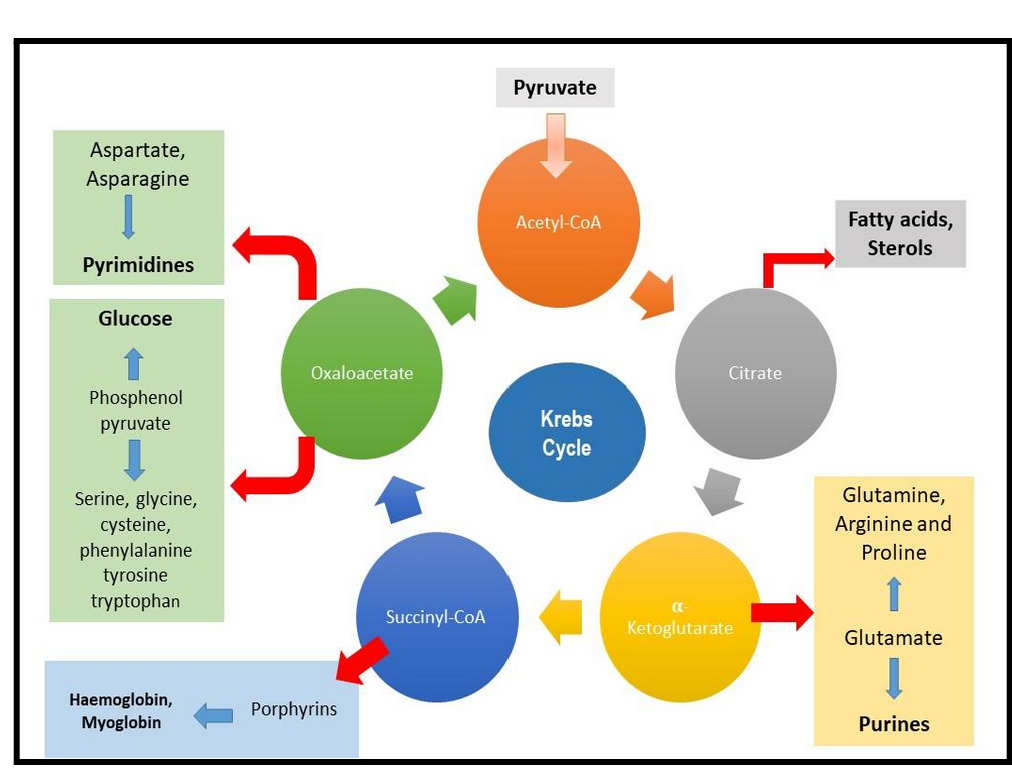
In aerobic organisms, the Krebs Cycle (also known as the TCA cycle) is amphibolic because it participates in both catabolic and anabolic processes. The Krebs Cycle, which takes place in the mitochondria, results in the production of ATP, NADPH, and FADH2.

The Krebs Cycle’s key component, acetyl-CoA, is produced from-Pyruvate oxidation (from glycolysis), Fatty Acids (Beta-oxidation), and Amino acid degradation.

  • Krebs Cycle is catabolic because it completely oxidized acetyl-CoA into carbon dioxide (CO2).
  • The Krebs cycle is also referred to as being anabolic since various biomolecules, such as nucleic acids, fatty acids, amino acids, and porphyrins, are synthesized from its intermediates.
  • At each cycle turn, the Krebs cycle intermediate oxaloacetate is created again in order to condense with a new molecule of acetyl-CoA which continues the cycle.

Other intermediates of the Krebs Cycle serve the following anabolic functions-

  • Porphyrins, which are necessary for the synthesis of myoglobin and hemoglobin, are created using succinyl-CoA.
  • Oxaloacetate is the starting material for synthesizing amino acids such as proline, alanine, glutamate, and aspartate. Purines are created by using glutamate and aspartate amino acids.
  • In the mitochondria, oxaloacetate is also transformed into phosphoenolpyruvate, which is then transformed into glucose via the gluconeogenesis pathway. Malate is also employed for gluconeogenesis.
  • ɑ-Ketoglutarate is a component in succinate synthesis.
  • By way of transamination processes,ɑ- ketoglutarate is also utilized in the synthesis of glutamate and pyruvate.
  • Acetyl-CoA, the precursor for the production of fatty acids and cholesterol, is formed when citrate and CO2 interact.
  • The fatty acids are further metabolized into triacylglycerols and diacylglycerols and ultimately form the phospholipids.
  • The cholesterol formed is then used to synthesize steroids and bile acids.
Tricarboxylic acid cycle(TCA) pathway.

How is the Respiratory Pathway an Amphibolic Pathway?

  • Complex molecules are converted into simpler ones during respiration, which gives organisms energy in the form of ATP.
  • The four steps of respiration are glycolysis, pyruvate oxidation, the tricarboxylic acid cycle, and oxidative phosphorylation.
  • These include the tricarboxylic acid cycle(TCA) and glycolysis, which both generate intermediates used in the creation of numerous other biomolecules.
  • The pentose phosphate pathway uses glucose 6-phosphate, the first glycolysis intermediate, to branch off from glycolysis.
  • The formation of ribose 5-phosphate, which is produced through the pentose phosphate pathway, is crucial for the biosynthesis of nucleotides.
  • Erythrose 4-phosphate, which is necessary for the synthesis of aromatic amino acids like tryptophan, phenylalanine, and tyrosine, is also produced by the pentose phosphate pathway.
  • As a result, it may be said that the respiratory system is an amphibolic pathway since it produces a number of precursor metabolites that are used in the biosynthesis of several cellular components. It also involves the oxidation of organic carbon into carbon dioxide and water, which releases energy.

Summary 

  • Amphibolic pathways are both catabolic and anabolic.
  • Glycolysis intermediates, glucose 6-phosphate, and glyceraldehyde 3-phosphate are used to produce purines and phospholipids, respectively.
  • Krebs Cycle is a well-known amphibolic process, and its intermediates are employed in the synthesis of different amino acids, fatty acids, sterols, nucleic acids, etc.
  • The respiratory pathway is referred to as amphibolic since it contains a variety of catabolic intermediates that act as anabolic precursors.

Frequently Asked Questions

1. Difference between Krebs cycle and Glycolysis
Ans:

Glycolysis Krebs Cycle 
Occurs in the cytoplasmOccurs in the mitochondrial matrix
It marks beginning of respirationIt is the 3rd step in respiration.
It is a linear pathwayIt is a cyclic pathway
Glucose converted to 2 molecules of pyruvate.Acetyl-CoA is converted into carbon dioxide.
No release of CO2 CO2 released 
Net ATP generated = 8 ATPNet ATP generated = 24

2. What are two forms of glycolysis?
Ans: The two forms of glycolysis are Aerobic and anaerobic glycolysis-

  • Pyruvate enters the citric acid cycle under aerobic conditions and proceeds through oxidative phosphorylation, which results in the net synthesis of 32 ATP molecules.
  • Pyruvate is converted to lactate under anaerobic conditions by the process of anaerobic glycolysis.

3. Who gave the term Amphibolic Pathway?
Ans: In 1961, B. Davis gave the term amphibolic Pathway. It is a pathway that involves both anabolism and catabolism.

Anatomy and Physiology of Human Body

Introduction 

Human Anatomy is the discipline of science that focuses on the structural composition of humans. It is a Greek word wherein “ana” is (up) and “tome” is (cutting). Anatomy is the study of how the human body is arranged and made up of cells, tissues, organs, and organ systems. Human physiology is a branch of science that deals with the activities and functions of the vital life processes within the human body. There are various types of physiology such as Cell physiology, Special physiology, Systemic physiology, and Pathophysiology. The human body is comprised of multiple organ systems such as the respiratory system, digestive system, nervous system, cardiovascular system, urinary system, and reproductive system.

Learn More about Anatomy and Physiology of Human Body. Check out more videos in Science Class 6 Lesson no 08.

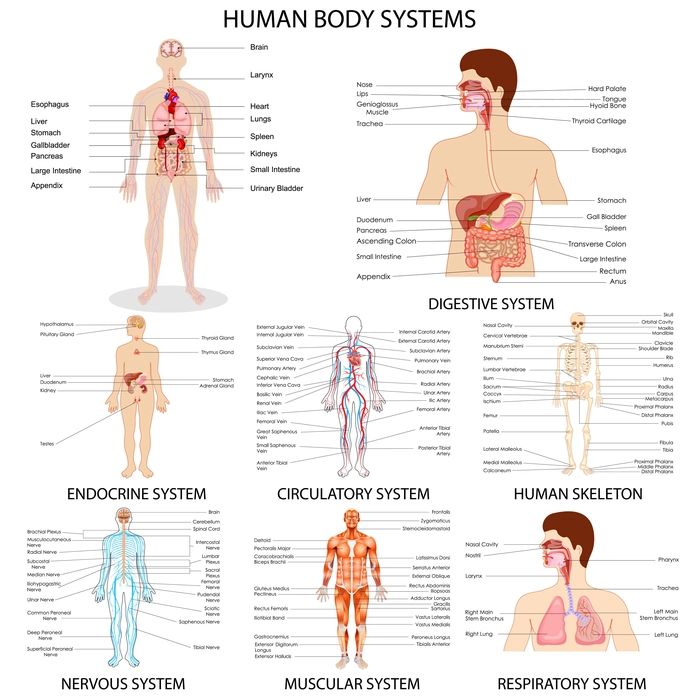
Circulatory system

The human circulatory system is made up of the heart, arteries, veins, and capillaries. This system is used to transport blood and lymph throughout the body. It also provides nutrition and removes nitrogenous waste from the body. It is also called the cardiovascular system. Humans have a closed circulatory system, where blood flows in specific blood vessels. Below given are the components of the circulatory system and their function.

OrganStructure and ComponentsFunctions
HeartThe human heart contains four chambers: the right and left atrium, and the right and left ventricle. It has specialized cardiac muscle with many valves. It pumps blood throughout the body.
Arteries(blood vessels)Thick-walled, valveless.Transport blood from the heart to other parts of the body (exception- the pulmonary artery).
Veins   (blood vessels)Thin-walled and have valves.Transport blood from the other parts of the body to the heart (Exception- for the pulmonary vein).
CapillariesThinnest blood vessels.Connects arteries and veins.
Blood50–55 % of blood is made up of plasma and 45-50% is made of blood cells like RBC, WBC, and platelets.Act as the medium of transport of nutrients, gases, and nitrogenous wastes.

Respiratory System

  • Respiration is the process of oxidation of food materials to liberate energy. 
  • There are two types of respiration internal and external respiration. The inhalation and exhalation of air with the help of the lungs are known as external respiration. Here carbon dioxide is exhaled and oxygen is inhaled.
  • Internal respiration is also known as cellular respiration which occurs in the mitochondria and produces energy in the form of ATP. 
  • The human respiratory system is made up of the Nostrils, pharynx, Larynx, a pair of lungs, and Diaphragm. 
  • The lungs are made up of Trachea, Bronchi, Bronchioles, and Alveoli.

Digestive system

  • Digestion is the breakdown of complex food substances into simpler nutrients such as carbohydrates, proteins, etc. which are easily absorbed by the body. 
  • The digestive system secretes various enzymes which assist in the digestion of food material. Digestion occurs in 5 steps given as follows-
StepsInvolved organsFunction
Ingestionteeth, tongue, and palate.Intake of food materials such asrice, fruits, vegetables, etc.
DigestionMouth, salivary glands, liver, stomach, pancreas, small intestine.Food is digested and broken down into simpler soluble and absorbable forms such as sugars, amino acids, fatty acids, etc.
AbsorptionVilli of the small intestine.The food thus broken into simpler substances is absorbed in the blood and transported to various organs of the body.
AssimilationCells, tissuesAbsorbed food is utilized by cells and tissues for their cellular activities.
EgestionLarge intestine and anus.Excretion of unusable or undigested material from a cell.

Reproductive System

  • Humans are sexually dimorphic. They perform sexual reproduction and give rise to the next generation. 
  • The human reproductive system is different for males and females. 

Female reproductive system

  • The female reproductive system is situated in the pelvic girdle.
  • It produces eggs that are haploid and fuse with the sperm to form the zygote and then the fetus.

The female reproductive system is made up of the following-

Sex organsFunctions
Pair of Ovaries That Contain eggs and perform Oogenesis and ovulation.
Genital Tract (Fallopian Tubes, Uterus, Vagina)Fertilisation, ovulation, carrying a baby, and giving birth.
External GenitaliaRespond to sexual stimulation.
Mammary GlandProduces milk for the newborn child.

Male reproductive system

  • The male reproductive system is situated in the pelvic girdle and produces sperm.
  • They contain the penis which is an ejaculatory organ that transfers sperm in the female body.

The male reproductive system is made up of the following organs

Sex organsFunctions
Pair of TestisSecreting testosterone and producing sperm.
EpididymisDevelop the sperm.
Ejaculatory ductsTransport mature sperm to the urethra.
UrethraEjaculating semen.

Nervous system

  • The body’s primary controlling, regulating, and communication system is the nervous system.
  • The ability to move, breathe, see, think, learn, remember, and more is controlled by this system,
  • The nervous system is made up of neurons, nerves, and ganglia which carry messages to the brain and the entire body.
  • Neurons are made up of axons, dendrons, and a  cell body.
  • The brain and spinal cord make up the central nervous system.
  • The Somatic Nervous System and the Autonomic Nervous System make up the Peripheral Nervous System.

Urinary system

  • The urinary system of the body is used for expelling waste products from the body. The waste products are in the form of urine. 
  • A pair of kidneys perform the function of excretion. Its structural and functional unit is a nephron. 

Following are the parts of the urinary system.

OrganFunction
A pair of KidneyPerforms ultrafiltration of the blood and removes waste products from the body in the form of urine. It also performs the function of osmoregulation.
A pair of Ureter Carries the urine downward.
Urinary Bladder Storage organ which stores urine temporarily.
The urethra Passes the urine outside the body.

Immune system

  • The immune system of an organism protects the body from infection.
  • The immune system fights the antigen (pathogen) by forming antibodies. These antibodies kill the pathogen and thus the steady state of the body is maintained.
  • The organs of the immune system are-spleen, thymus, lymph nodes, blood, etc.
  • The cells of the immune system include-Stem cells, T-lymphocytes, B-lymphocytes, Monocytes, Cytotoxic and Helper cells, Neutrophils, etc.
Diagrams of different systems in Human body

Summary

Anatomy of the human body is the study of the structure and relationship between all organs of the body. However, the physiology of the human body explains how each organ performs. The body’s organ systems collaborate to carry out a certain activity or set of duties. The respiratory system, digestive system, nervous system, cardiovascular system, urinary system, and reproductive system are various organ systems in the body that operate together and support healthy body development, growth and reproduction.

Frequently Asked Questions

1.State the types of anatomy.
Ans: The different types of anatomy are-

  • Gross anatomy- Gross anatomy entails the dissection of organs on a larger scale for examination.
  • Cellular anatomy- Investigating cells and cellular components under a microscope are called “cellular anatomy.”
  • Molecular anatomy- DNA, RNA, proteins, and other biochemical components are studied in molecular anatomy.

2. How is the human body organized?
Ans: Cells are the structural and functional unit of life. The human body is made of cells. These cells combine and form tissues, tissues form organs, organs form organ system and all these systems together build the human body.

3. What are primary and secondary sex organs in humans?
Ans. The primary sex organs are those organs that produce gametes. In females, the primary sex organ is the ovaries which produce egg cells. In males, the primary sex organ is the testes which produce sperm.

Secondary sex organs are those that transport and store the gametes and nourish the growing baby. Male secondary sex organs are Epididymis, vasa deferentia, penis, etc. Female secondary sex organs are- the fallopian tube, vagina, uterus, etc.