Atrial Fibrillation

Introduction

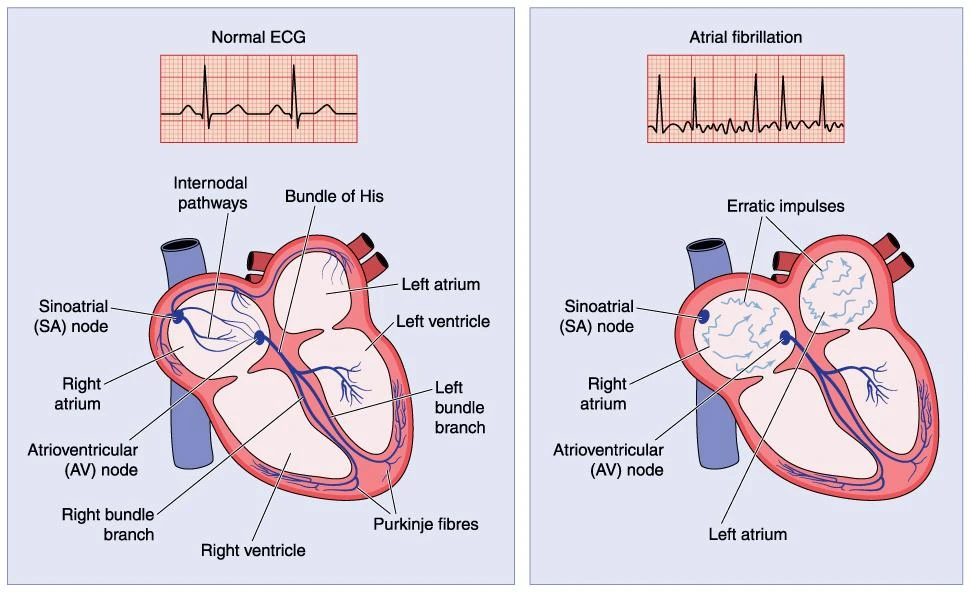
Atrial fibrillation (AFib) is a type of heart arrhythmia that affects the rhythm of the heartbeat. In AFib, the upper chambers of the heart beat irregularly, this leading to a fast and chaotic heartbeat. This lead to several symptoms, including palpitations, shortness of breath, lightheadedness, fatigue, and chest pain. AFib is a common condition, affecting millions of people around the world. Any age group can suffer from this  but it is more common in older people.

Working of heart

The normal functioning of the heart involves the coordinated contraction and relaxation of its four chambers, the atria, and ventricles, to pump blood throughout the body.

  1. Blood flow: Blood flow refers to the movement of blood through the circulatory system. Circulatory system is composed of your heart, blood vessels, and blood. The heart pumps blood through the blood vessels, which carry the blood to every part of your body. Blood flow is vital because it delivers oxygen and nutrients to organs and tissues, allowing them to function properly.
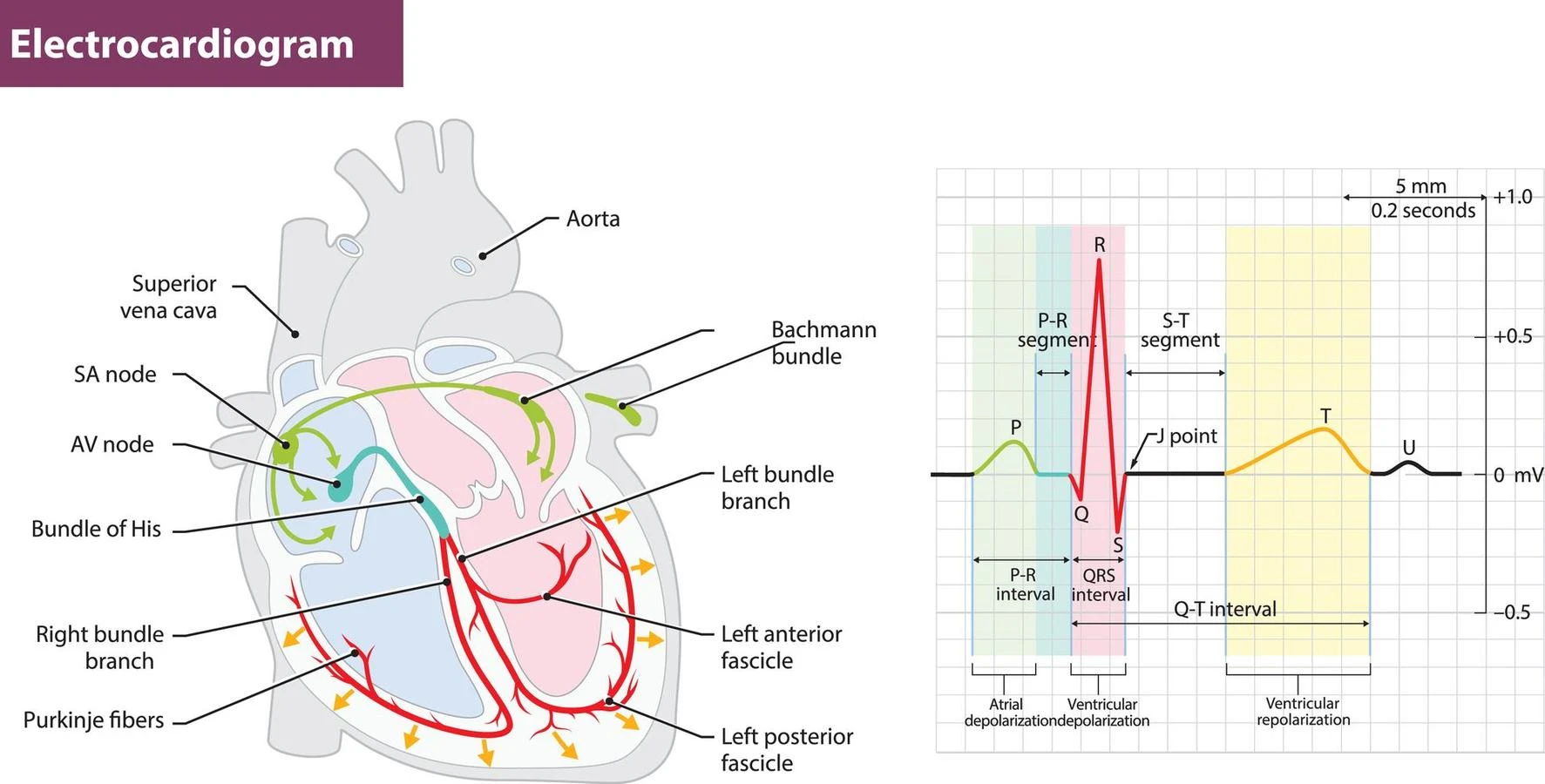
  2. Electrical conduction system: The heart has a specialized electrical conduction system, consisting of specialized cells, that controls the heartbeat. The electrical impulses generates and transmits through this system that lead the heart to contract and pump blood.
  3. Blood pressure: Blood exert force against the walls of the blood vessels which is essential for proper blood circulation this is known as blood pressure. It is regulated by the heart and by the resistance of the blood vessels. Normal blood pressure is typically considered to be around 120/80 mmHg.
  4. Heart rate: The heart rate is the number of times the heart beats in a minute and is regulated by the electrical conduction system of the heart. A normal heart rate is typically between 60 and 100 beats per minute.
Types of Atrial Fibrillation

There are several different types of atrial fibrillation (AFib), including:

  1. Paroxysmal AFib: This type of AFib is characterized by episodes of irregular heartbeats that start and stop suddenly, often lasting less than seven days.
  2. Persistent AFib: In this type of AFib, irregular heartbeats last longer than seven days and may require medical intervention to restore a normal heart rhythm.
  3. Permanent AFib: This type of AFib refers to a state in which the heart remains in an irregular and rapid rhythm, with no possibility of restoring a normal rhythm without intervention.
  4. Lone AFib: This type of AFib occurs in individuals without any other underlying heart conditions or structural heart disease.
  5. Structural heart disease-related AFib: This type of AFib occurs in individuals with underlying heart conditions, like valve disease, heart failure, or hypertension.

Atrial Fibrillation causes

The exact cause of AFib is not always clear, but several factors can contribute to its development, including:

  1. Heart disease: Conditions like, high blood pressure,  heart failure and heart valve disease can increase the risk of developing AFib.
  2. Structural heart problems: Abnormalities in the heart’s structure, such as enlarged atria or certain types of heart disease, can lead to AFib.
  3. Electrocution: Electrocution or injury to the heart from an electrical shock can cause AFib.
  4. Lung disease: Chronic lung diseases, such as emphysema and COPD, can increase the risk of developing AFib.
  5. Metabolic imbalances: Conditions such as thyroid disease, electrolyte imbalances, and liver disease can contribute to the development of AFib.
  6. Lifestyle factors: Factors such as excessive alcohol consumption, caffeine, and stimulant use can increase the risk of AFib.
  7. Family history: A family history of AFib can increase the risk of developing the condition.

Symptoms 

Symptoms of atrial fibrillation include the following:

  1. Heart palpitations
  2. Angina
  3. Dizziness
  4. Fatigue
  5. Breathing issues
  6. Chest pain or angina

Diagnosis Atrial Fibrillation

The diagnosis of atrial fibrillation (AFib) typically involves a combination of a physical exam, medical history review, and various diagnostic tests. Some common diagnostic tests used to diagnose AFib include:

  1. Electrocardiogram (ECG): The electrical activity of the heart and can detect the presence of AFib in  ECG records.
  2. Echocardiogram: An  ultrasound of the heart that can help detect underlying heart conditions that may contribute to AFib is known as echocardiogram.
  3. Blood tests: Blood tests can help identify any underlying metabolic or hormonal imbalances that may contribute to AFib.
Treatments

The treatment of atrial fibrillation will depend on the severity of the condition and the underlying causes. Some common treatment options include:

  • Medications, such as blood thinners, beta blockers, and calcium channel blockers
  • Cardioversion, a procedure that uses electrical shock to restore a normal heartbeat
  • Catheter ablation, a procedure that destroys small areas of heart tissue that are causing the irregular heartbeat
  • Surgery, such as maze procedure or open-heart surgery
  • Lifestyle changes, such as reducing alcohol and caffeine intake, quitting smoking, and maintaining a healthy weight

Lifestyle Changes to Manage Atrial Fibrillation

In addition to medical treatment, there are several lifestyle changes that can help manage atrial fibrillation, including:

  • Eating a healthy diet
  • Managing stress
  • Exercising regularly
  • Avoiding alcohol and caffeine
  • Quitting smoking

Conclusion 

The atria, or top chambers of the heart, beat quickly and irregularly in AFib, causing a rapid and erratic heartbeat. operating heart The heart’s four chambers, the atria and ventricles, coordinate their contraction and relaxation to circulate blood throughout the body. AFib risk can be impacted by illnesses such as heart failure, hypertension, and heart valve dysfunction. Echocardiography, which is a cardiac ultrasound, can assist identify underlying heart issues that may be responsible for AFib.


Frequently Asked Questions 

1. Can atrial fibrillation be cured?

Atrial fibrillation cannot always be cured, but it can be managed with the appropriate treatment and lifestyle changes.

2.  Is atrial fibrillation hereditary?

While atrial fibrillation can run in families, it is not always hereditary.

3.  Can exercise make atrial fibrillation worse?

Exercise can trigger atrial fibrillation in some people, but regular exercise is still important for maintaining overall health. Consult with your doctor about the best exercise plan for you.

Asthma

Introduction 

In asthma breathing becomes challenging. Airflow into and out of the lungs is hampered by the inflammation and narrowing of the airways and symptoms like wheezing, coughing, chest tightness, and shortness of breath result from this. A mix of genetic, environmental, and lifestyle variables can contribute to asthma development. All ages are affected by the illness, however children and young adults are more frequently affected. People with asthma can live full, active lives with the right care.

What is Asthma?

A chronic respiratory condition called asthma causes the airways to become inflamed and constricted. Many things, including cold air, exercise, allergies, stress, or exposure to environmental irritants like cigarette smoke or air pollution, can cause these symptoms, which are frequently worse at night or in the morning.

A mix of drugs, environmental controls, and lifestyle modifications can be used to manage asthma, which can range in severity from moderate to severe. Both immediate-relief bronchodilators, like albuterol, and long-term control medicines, like inhaled corticosteroids or leukotriene modifiers, are frequently used to manage the symptoms of asthma.

Types of Asthma

Asthma is classified into various types based on its duration, cause, and severity of symptoms. 

For example, the classification of asthma based on duration includes:

  1. Intermittent asthma: a person typically has no restrictions on regular physical activity and only occasionally experiences symptoms, usually no more than twice a week.
  2. Persistent asthma: It is characterised by the requirement for daily care, constraints on regular physical activity, and symptoms occurring more than twice a week.

Classification based on the cause includes:

  1. Allergic asthma: triggered by an allergy to substances such as pollen, dust mites, or pet dander.
  2. Non-allergic asthma: not triggered by an allergy, and its cause is unknown.

Classification based on severity includes:

  1. Asthma that is mild and persistent is defined by symptoms that appear more than twice per week but do not disrupt daily life.
  2. Moderate persistent asthma is characterised by symptoms that are frequent, bothersome, and may cause nighttime awakenings in the patient.
  3. Severe persistent asthma: characterized by frequent and severe symptoms that limit daily activities, may wake the patient up at night and are difficult to control with standard treatments.

Causes of asthma

Although the precise cause of asthma is not entirely known, it is believed to be a result of both hereditary and environmental factors. The following are a few of the most typical asthma causes and triggers:

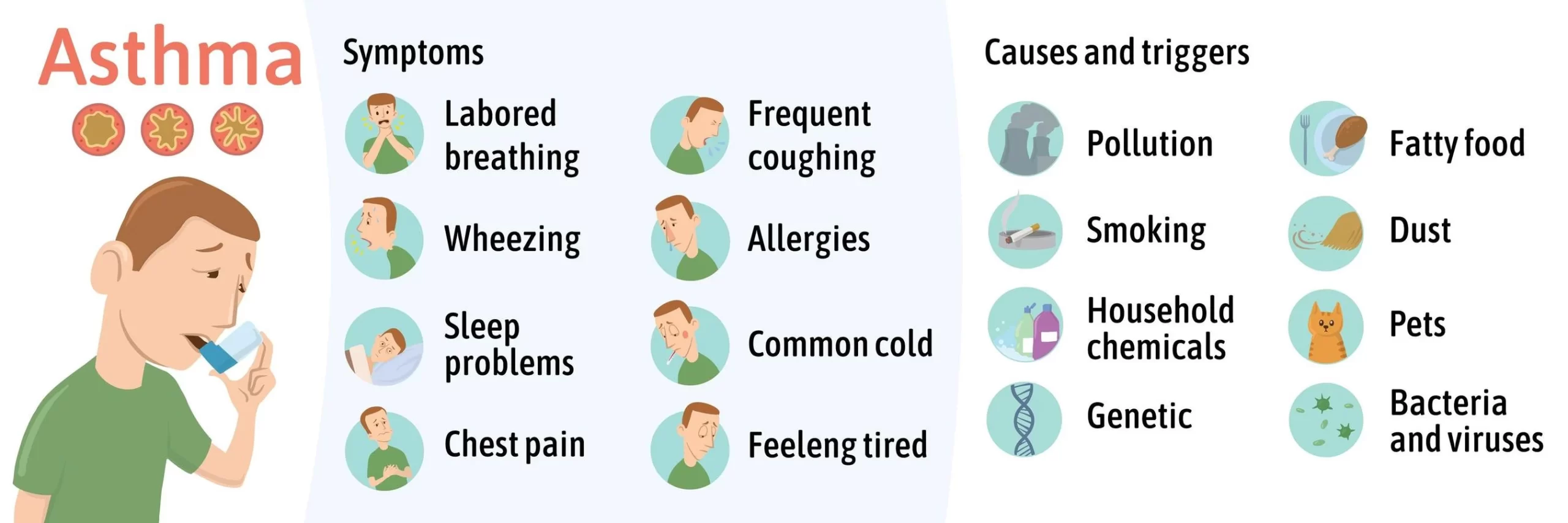
  1. Allergies: Allergic asthma is triggered by exposure to allergens such as pollen, mold, pet dander, or dust mites.
  2. Respiratory infections: Viral infections, such as the common cold or flu, can trigger asthma symptoms.
  3. Airborne irritants: Exposure to substances such as tobacco smoke, air pollution, or strong odors can trigger asthma symptoms.
  4. Physical activity: Exercise-induced asthma can be triggered by physical activity, especially in cold weather.
  5. Stress and emotions: Stress and strong emotions can trigger asthma symptoms in some people.
  6. Gastroesophageal reflux disease (GERD): Asthma symptoms can be brought on by GERD, a condition in which stomach acid rushes back into the oesophagus.
  7. Hormonal changes: Hormonal changes, such as those that occur during menstrual cycles, pregnancy, or menopause, can trigger asthma symptoms in some people.

Asthma symptoms

The symptoms of asthma include:

  1. Wheezing: a high-pitched whistling sound when breathing, especially during exhalation
  2. Shortness of breath: feeling out of breath or unable to catch your breath
  3. Chest tightness: a feeling of tightness or pressure in the chest
  4. Coughing: a persistent cough, especially at night or early in the morning
  5. Rapid breathing: breathing faster than normal
  6. Difficulty breathing: feeling like you can’t get enough air, even when trying to take deep breaths

In some cases, asthma symptoms can also include:

  1. Chest pain or pressure
  2. Fatigue: feeling tired or worn out from breathing difficulties
  3. Trouble sleeping: being unable to sleep due to asthma symptoms
  4. Trouble speaking: being unable to speak in full sentences due to shortness of breath.

Conclusion

Inflammation and narrowing of the airways are two features of the chronic respiratory disease known as asthma, which can cause episodes of coughing, wheezing, chest tightness, and shortness of breath. These symptoms can be brought on by several things, including cold air, exercise, allergies, stress, or exposure to environmental irritants like cigarette smoke or air pollution. They are frequently worse at night or in the morning. Exposure to allergens like pollen, mold, pet dander, or dust mites can cause allergic asthma. Viruses that cause the flu or the common cold can exacerbate asthma symptoms.


Frequently Asked Questions 

1. Mention some of the medications that should be given to treat asthma. 

The following are some of the medications that are used to treat asthma:

  1. Quick-relief medications (also known as rescue or reliever medications): These medications provide rapid relief from symptoms during an asthma attack and include albuterol, levalbuterol, and terbutaline.
  2. Controller medications: These medications help to prevent asthma symptoms from occurring and are taken daily. Examples include inhaled corticosteroids .

2. How is asthma diagnosed?

Diagnosing asthma typically involves a combination of medical history, physical examination, and tests. Some of the most common tests used to diagnose asthma include:

  1. Lung function tests: These tests measure how well your lungs are working, such as by measuring the amount of air you can breathe out, and how quickly you can breathe it out.
  2. Allergy testing: This may include skin or blood tests to determine if you have allergies to substances such as pollen, dust mites, or pet dander.
  3. Challenge tests: These tests may be used to determine if certain substances, such as cold air or exercise, trigger your asthma symptoms.
  4. Imaging tests: These tests, such as chest X-rays or CT scans, may be used to rule out other conditions and to help diagnose asthma.

3. What is the acute and chronic asthma? 

Acute asthma refers to a sudden worsening of asthma symptoms that can occur without warning. It is often triggered by environmental exposure to allergens, cold air, exercise, or viral infections. Chronic asthma, on the other hand, is a long-term condition characterized by persistent symptoms is often associated with more severe and frequent asthma attacks.

Thermodynamics

Introduction

The whole universe is composed of two parts; system and surroundings. There occurs an exchange of heat between the system and the surroundings. Thermodynamics tells us about the exchange of heat, different forms of energy, and the transformation of energy into work. It also explains some other properties of the system like temperature, pressure, density, enthalpy, entropy, etc.

Define Thermodynamics

Thermodynamics is a topic that derives the relationship between heat, energy, work, and temperature. According to thermodynamics, if the system does the work then its value will be negative and when work is done on the system its value will be positive.

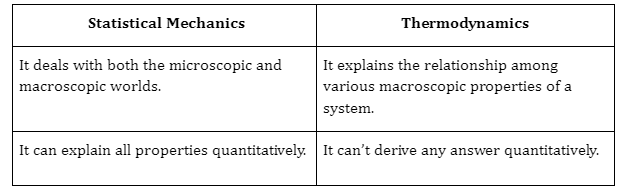
Difference between Thermodynamics and Statistical Mechanics

Define System and Surroundings

System: The part of the universe in which all the matter remains is known as a system. 

Surroundings: The other part of the universe outside the system is known as the surroundings. The system and surroundings are divided by a boundary.

Classification of the system:

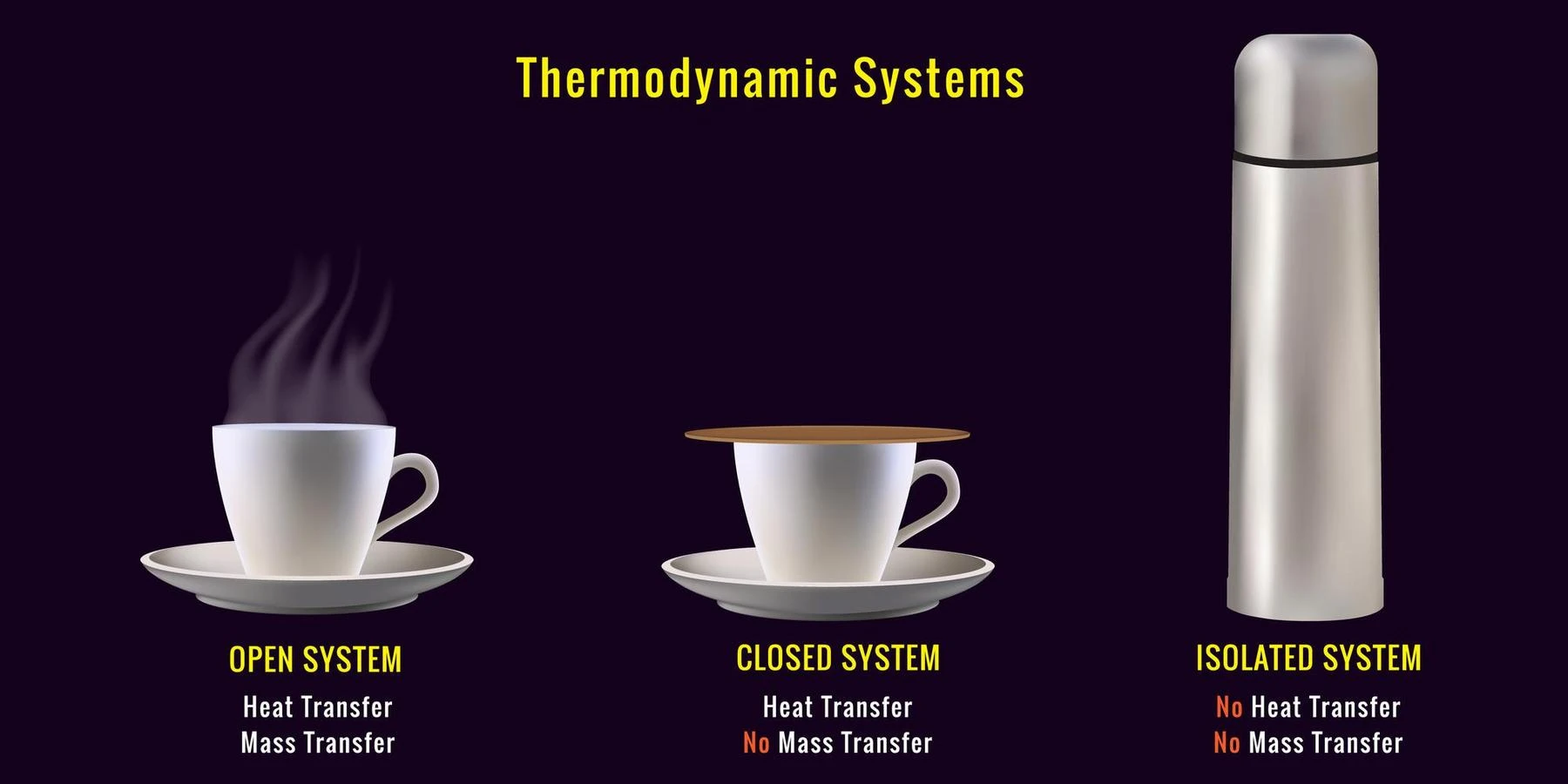
  1. Open system: It has the capacity to exchange both energy and matter with the surroundings. In an open system, both the temperature T and pressure P are constant. For example, the human body.
  2. Closed system: This system only exchanges energy with the surroundings. The entropy of a closed system is always constant. For example, water boils using a closed lid.
  3. Isolated system: It exchanges neither matter nor energy with the surroundings. For example, a thermos flask is an example of an isolated system. 
The examples of the three types of systems (open, closed, and isolated) are shown.

Different types of processes in thermodynamics

  • Isothermal process: In this process, the temperature (T) of the system is always constant.
  1. Isochoric process: Here, the volume (V) of the system is always constant.
  2. Isobaric process: In this process, the pressure (P) of the system remains constant.
  3. Adiabatic process: In this process, the change in heat (Q) with the surroundings is zero.

Properties of thermodynamics

  1. Intensive properties: These properties don’t change with the change in the amount of matter. For example boiling point, melting point, density, etc.
  2. Extensive properties: These properties highly depend on the amount of matter in the system. For example mass, volume, etc.

Functions in thermodynamics

  1. State functions: These functions change with the change in the state of a system. For example Enthalpy (H), internal energy (U), entropy(S), and density (d). 
  2. Path functions: Heat (Q) and work (W) don’t depend on the state of a system, but rather depend on the path of a system. They are called path functions.

Define Enthalpy and Entropy

Enthalpy (H): It is a property of thermodynamics that indicates the overall heat capacity of a system. It is expressed by the sum of the system’s internal energy and the product of the pressure and volume of the system. 

H = U + PV

Depending on the symbol before the value of enthalpy, any reaction can be classified into two parts.

  • Exothermic reaction: The reaction is called exothermic when heat is generated during a reaction. The value of enthalpy in an exothermic reaction is always negative.
  • Endothermic reaction: When the system absorbs energy from the surroundings to execute a reaction is called an endothermic reaction.  The value of enthalpy in an exothermic reaction is always positive.

Entropy (S): It measures the extent of disorderness of a system. For a spontaneous reaction, entropy S is always negative and for a non-spontaneous reaction, entropy S is always positive.

Thermodynamic potential

Thermodynamic potentials are used to define a particular state of the system. They are internal energy (U), enthalpy (H), Gibbs free energy (G), and Helmholtz free energy (F).

Laws of thermodynamics

  • Zeroth law: This law states:if two bodies A and B are each in thermal equilibrium with some third body C, then they are also in equilibrium with each other.”
  • First law: This law states:  “Energy can neither be destroyed nor be created, it can only be transferred from one form to another”. It is also called the “Law of conservation of energy.”

ΔQ = ΔU + W

ΔQ= Change in heat of a system.

ΔU = Change in internal energy of a system.

W = Work done

  • Second law: This law states: “any spontaneously occurring process will always lead to an escalation in the entropy (S) of the universe.”

\[\Delta {S_{Total}} = {\rm{ }}\Delta {S_{system}} + {\rm{ }}\Delta {S_{surroundings}} > {\rm{ }}0\]

  • Third law: This law states: “the entropy of a system approaches a constant value as the temperature approaches absolute zero.”

\[{S_{T = 0}} = 0\]

Daily life examples of thermodynamics

  1. Human bodies sweat, producing heat from the body.
  2. Melting of ice cubes.
  3. Like A thermodynamic system, the human body exchanges mass and energy with the surroundings.

Summary

A type of heat energy that connects with other types of energy is called thermodynamics. Heat or work are two ways that energy is changed or exchanged. In thermodynamics, there are four processes. They are isothermal, adiabatic, isobaric, and isochoric. Thermodynamics explains many important properties of the system. Energy is the dominant focus of thermodynamics which is how it is used and transforms from one state to another. Thermodynamics frequently includes using heat to generate work like in the engines of automobiles and generating work to transfer heat like in the refrigerator.

Frequently Asked Questions 

1. Why does thermodynamics emphasize energy?

Ans: The first law of thermodynamics defines that the total energy of the system is always conserved. Neither energy can be created nor destroyed. It is only capable to change from one type to another. Like, in the combustion of fuel the chemical energy is transformed into thermal energy.

2. Why is it referred to as free energy?

Ans: Because it is readily accessible at all times, Gibb’s free energy is known as free energy. If necessary, the reaction can obtain this energy without exerting any effort.  Enthalpy (H) and also the product of the system’s temperature (T) and entropy(S) are added to determine the change in Gibbs free energy (G).

G = H +TS

3. What are the drawbacks of thermodynamics?

Ans: Thermodynamics can’t explain any properties of the system quantitatively. It doesn’t include the direction of the flow of heat. It can’t tell anything about the spontaneity of any reaction. These are the drawbacks of thermodynamics.

Thermosetting Polymer

Introduction

The shortest form of polymers is called monomers. Depending on their characteristics, preparation process, and many other factors, they are classified into two types- Natural and Synthetic polymers. The polymers which are generated naturally are called natural polymers, whereas polymers made by humans in some synthetic processes are called Synthetic polymers. There are different kinds of useful synthetic polymers. Thermosetting polymers are one kind of them.

Define Thermosetting Polymer

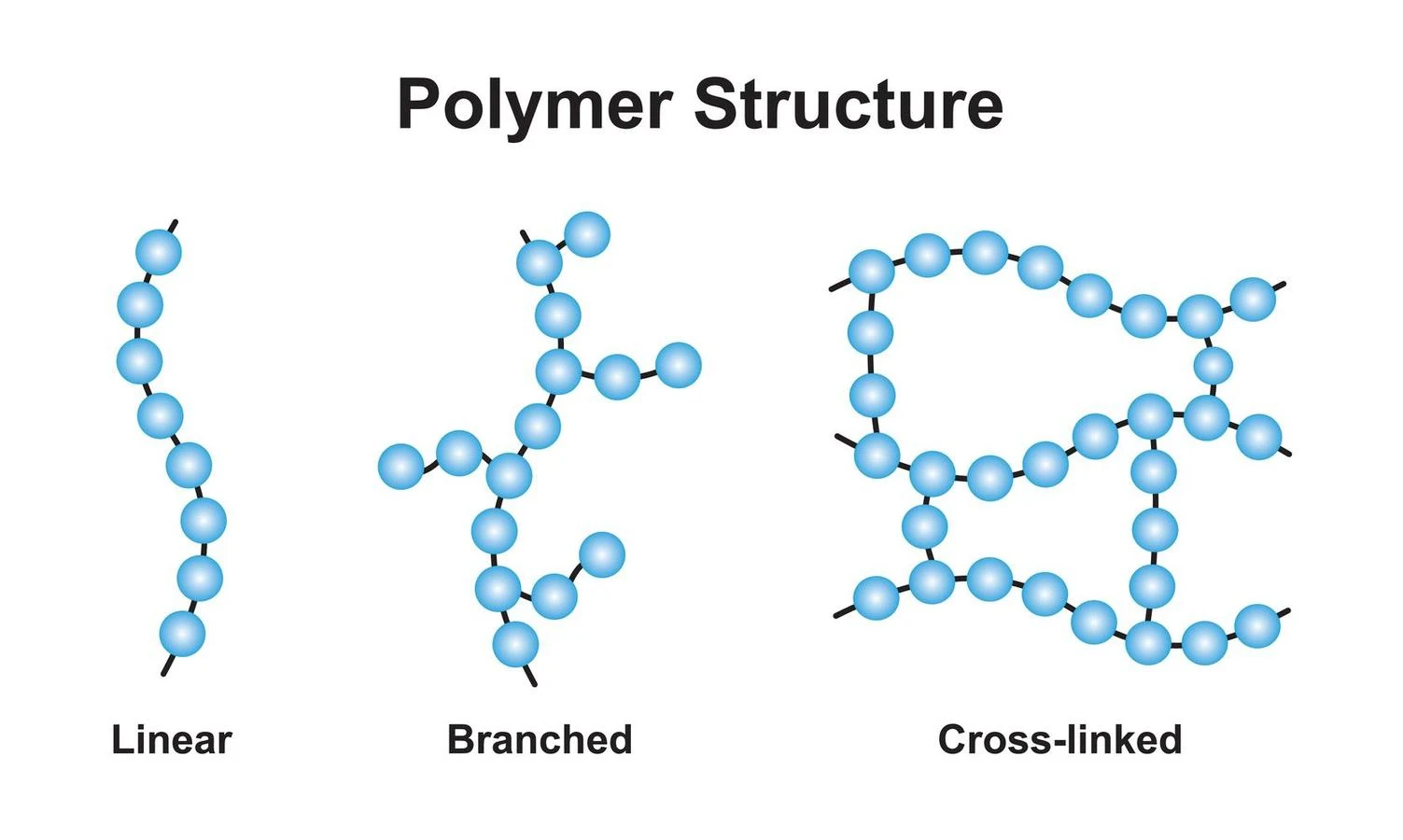
A thermosetting polymer can be called by another name ‘Thermoset’. By heating the thermosetting polymer, it undergoes irreversible changes. It has a cross-linking structure, forming a three-dimensional network. Initially, these polymers remain in a liquid state and they are soft. But after heating, they become harder. The rate of cross-linking in them increases with an increase in temperature, pressure, and amount of catalysts. Bakelite, Duroplast, and Melamine resin are examples of thermosetting polymers. 

linear or branched chain monomers are joined by cross-linking to form thermosetting polymers.

Features of thermosetting polymers

This type of polymer has unique properties unlike the other types of polymers. 

  1. Monomers are condensed easily and form polymers. Thermosetting polymers are types of condensation polymers.
  2. Due to the high cross-linking process, the molecular weights of these are very high.
  3. Thermosetting polymers possess exceptionally high melting points and very strong tensile strength.
  4. It is not reprocessed to its original state because of the intense cross-linking. It is created permanently. In other words, the reaction mechanism is irreversible.

Synthetic pathway of Thermosetting Polymer

The initial stage of thermosets is a resoluble, molten, and insoluble state. Next, it transforms into a thermoplastic-like substance that is slightly soluble and has certain reversible properties. Following this phase, polymers undergo cross-linking and hardening. Finally, a 3D network containing polymers is formed. There is also another method of preparation containing three steps.

  1. Moulding by compression: Here a heated mould cavity is used and then it is compressed to produce the plastic. With an increase in the application of heat on mould, the chemical interaction also increases.
  2. Transfer moulding: The utilization of a transfer pot is common in this kind of manufacturing, and heating the mould within it, will enhance the materials’ flow.
  3. Injecting the mould: Screws are employed in the injection moulding process to inject the high volume of polymer into the appropriate moulds. Additionally, it is discovered that the liquification of these polymers decreases the polymers’ viscosity.

Advantages of Thermosetting Polymers 

  1. For thermosets, both chemical and heat resistance are excellent. It’s employed for packed items and has a strong deformation resistance.
  2. Thermosets are beneficial for wet paste formulations since they contain minimal solvent.
  3. The linked chains cannot freely travel because the use of heat turns them hard.
  4. Epoxy and phenolic resins have a wide range of uses, particularly in the production of circuit boards and containers.

Disadvantages

  1. It cannot be converted to its original state after it has formed.
  2. With thermosets, fine surface quality is not achievable.
  3. This polymer should be managed with utmost care.

Summary

Bulk molecules, known as polymers, have numerous industrial uses. There are two categories of polymers, both natural and artificial. Artificial synthetic polymers are generated by executing specific chemical changes. Because they’re irreversible polymers, even after heating, they cannot be reverted to their initial position. Therefore, it is an extremely rigid and hard polymer. During the curation process of thermosets, chemical interaction occurs in them. So remoulding is not possible. But for thermoplastic polymers, no chemical interaction occurs during curation. Due to the possibility of remoulding in thermoplastic polymers, thermosets are a better option than thermoplastic polymers.


Frequently Asked Questions

1. What are the reasons that thermosets don’t melt?

Ans: During the curation process, cross-linking occurs in the polymers to produce an unbreakable and permanent bonding. It is clear that even with the application of strong heat, thermosets can’t be melted.

2. What are the reasons behind the ignition of thermosets?

Ans: Thermosets possess significant melting points, but as soon as they reach a particular temperature and harden, their parts and physical features become fixed. They cannot be transformed back into their original shapes or sold for scrap again. Rather the substance will just burn or char.

3. Do thermosets participate in the crystallization process?

Ans: It is found that thermosets are amorphous in nature. Due to the high cross-linking process in their structures, they don’t crystallize.

Thermoplastic Polymers

Introduction

Thermoplastics, polystyrene, and polyethylene can both be regularly moulded. It is therefore feasible to heat a foamed polystyrene cup while also moulding it into an irregular shape. For example, a dish. Individual molecules are separated from each other and move through one another in the polymeric material associated with thermoplastics. But even though the molecule may be straight or diverging, with molecular weights ranging from incredibly low to exceptionally high. Thermoplastic polyurethane (TPU) has a chemical formula \({C_{27}}{H_{36}}{O_{10}}\).

Define Thermoplastic Polymers 

  1. Additional polymerization leads to the production of thermoplastics, which are softer and less brittle. Organic solvents can dissolve them.
  2. Thermoplastics can also be heated to a soft state and then moulded into another structure while they remain warm.
  3. They lose their ability to retain their carved shapes as they cool because they solidify. They can be warmed frequently and moulded into another form without altering their chemical components.
  4. The thermoplastic polymer group is generally categorized as either amorphous or crystalline. The creation of thermoplastics involves combining subunits, which are small molecules.
  5. A simple polymer chain can be produced using thousands of monomers. 
  6. A simple polymer chain can be produced using thousands of monomers.
  7. Though mild forces exist between sequences in polymers, the atoms are held together by powerful covalent bonds.

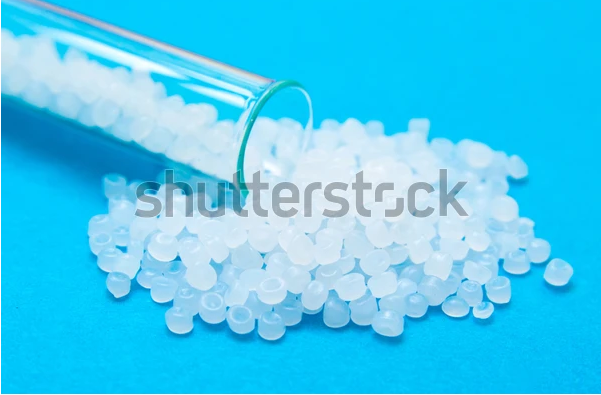
polyethylene is a thermoplastic polymer that has variable crystalline geometry and huge application.

Features of Thermoplastic Polymers

  1. They are polymers with very high molar mass.
  2. With an increase in the temperature, intermolecular interaction in the cross-linking becomes weak. So a viscous liquid is produced.
  3. There is the availability of thermoplastics which can be recycled easily.
  4. They can behave as flame retardants.

Different types of Thermoplastics

  1. Polystyrene: A polymer composed of repeating units, styrene is termed polystyrene. It is also known as poly-phenylethene. It’s actually a thermoplastic polymer, which indicates that when warmed, it weakens and melts and may be reprocessed. It resists substances like acids and bases and makes a great electrical insulator.
  2. Polyvinyl chloride: PVC is properly known as Poly Vinyl Chloride. The polymerization of Vinyl Chloride creates PVC, a polymer. Several products, such as wires, raincoats, bottles, credit cards, etc. include PVC. It can be utilized to make a wide range of goods because it is fire and water-resistant.
  3. Polypropylene: Polymerized propylene is used to create the synthetic polymer known as polypropylene. Polypropylene is moulded or produced into a wide variety of plastic goods wherein hardness, elasticity, lightweight, and temperature resistance are necessary.
  4. Polyethylene: The most prevalent form of consumer plastic is polyethylene, which is also found in numerous everyday items. It’s a thermoplastic substance, which means that it can be repeatedly heated to a liquid state and then cooled to a solid state.

Influence of additives on the thermoplastics

  1. Contrary to unprotected polypropylene, it has poor resistance to UV light. Additives like limited amines reduce the light and enhance the lifespan of the material.
  2. Flame retardants, glass fibers, minerals, conductive fillers, colors, lubricants, and a range of many other polymer additives can be employed to enhance the mechanical and physical properties of polypropylene.

Application of Thermosets

  1. Thermoplastic is an ingredient in producing sporting goods. Toys can also be made with it.
  2. It is utilized in making the components of automobiles.
  3. The thermoplastic polymer is employed to manufacture containers including shampoo bottles, drinking bottles, and food storage bins.

Advantages of Thermosets

  1. It is a procedure that requires little energy.
  2.  It gives a wide range of good quality products.
  3. It produces very high-volume and precise manufacturing that is less expensive.
  4. Metals can be substituted by a variety of substances with significant weight-saving benefits.

Disadvantages of Thermoplastics 

The following drawbacks of thermoplastics may influence the choice of material:

  1. When exposed to UV rays or intense sunshine, thermoplastics deteriorate more quickly.
  2. Not every thermoplastic is resistant to polar solvents, organic solvents, or hydrocarbons.
  3. Some varieties exhibit creep when subjected to prolonged loading.
  4. Under severe load, breakage occurs instead of deformation.

Types of polypropylene

The two primary forms of polypropylene are copolymers and homo polymers. Block copolymers, as well as random copolymers, are two more categories of copolymers. Different applications match every class more effectively than others.

Summary

Thermoplastics are simple to reuse because they solidify after cooling and exhibit no changes in chemical properties after being warmed and cooled numerous times. The repeating unit like urethane moiety is used to make thermoplastic polyurethane. This thermoplastic is usually produced through the interaction of a di-isocyanate and a polyol (organic compound). TPU has low TM between 87 to 90 °C and low Tg at 25 °C.


Frequently Asked Questions

1. Why can thermoplastics be recycled?

Ans: The intermolecular interactions in thermoplastic polymers are weak despite their strength. They have great recyclability.  Plastics can become less reusable as they go through the recycling process due to a variety of applications.

2. Why is PAI the strongest thermoplastic?

Ans: At 21,000 psi, PAI – Polyamide Imide (PAI) has the greatest tensile strength of almost any plastic. The maximum tensile strength of every unreinforced thermoplastic, radiation tolerance, intrinsic low combustibility, smoke production, and good thermal stability are all characteristics of this efficient plastic.

3. Do thermoplastics have an acidic nature?

Ans: Based on a variety of factors, any item may be technically or inherently hazardous or safe. TPU is harmless for many purposes and isn’t necessarily hazardous. It is employed in the biomedical field as well. A variety of factors may lead to polymers’ toxic effects.

Noble Gases

Introduction

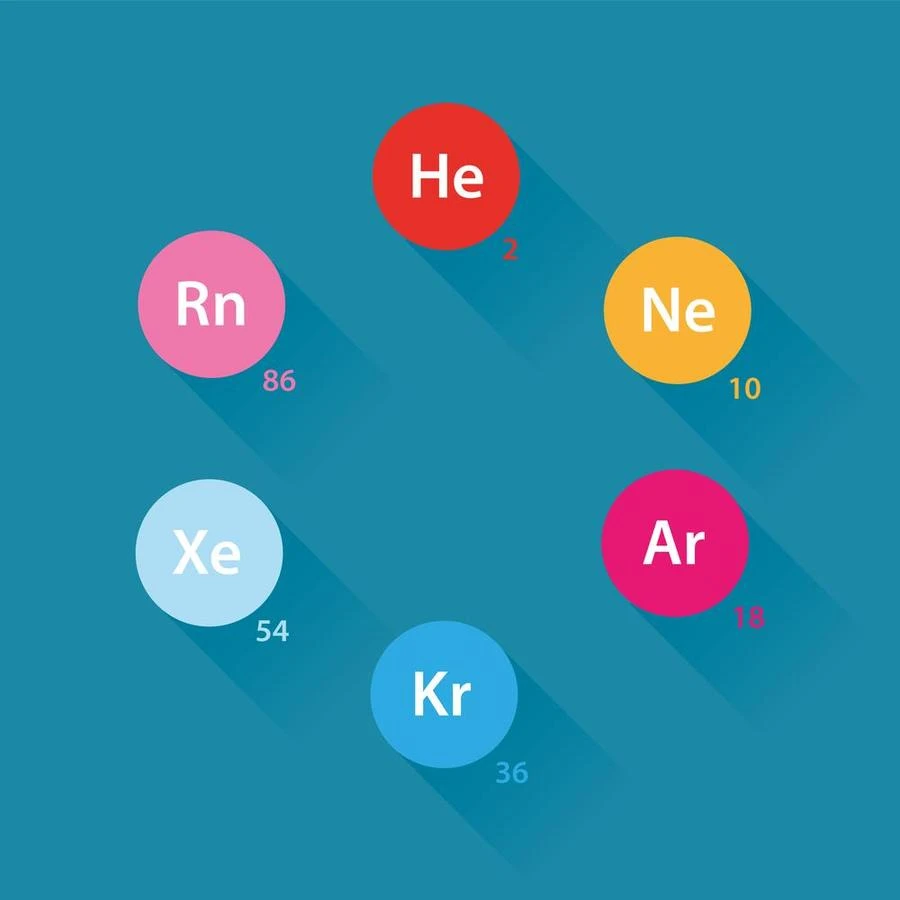
In the modern periodic table, the elements are organized according to their atomic numbers. There are 7 rows and 18 columns in the periodic table. Noble gases belong to group 18 in the periodic table. The gases are helium, neon, argon, krypton, xenon, and radon. They remain in a gaseous state at normal pressure and temperature. To maintain inert conditions these noble gases have a great role. 

lead magnet

Define Noble Gas 

The noble gases have their valence shell completely occupied. Helium, neon, argon, krypton, xenon, and radon are known as “noble gas”. Due to their inertness, they react with very few elements. Even upon the addition of strong acids or bases, it remains unreacted. For this reason, they are named so. 

Physical characteristics of noble gases

  • Atomic size: On moving down the group, one more shell gets added up. That is why nuclear attraction towards the valence electrons decreases. So, atomic size goes on increasing. 
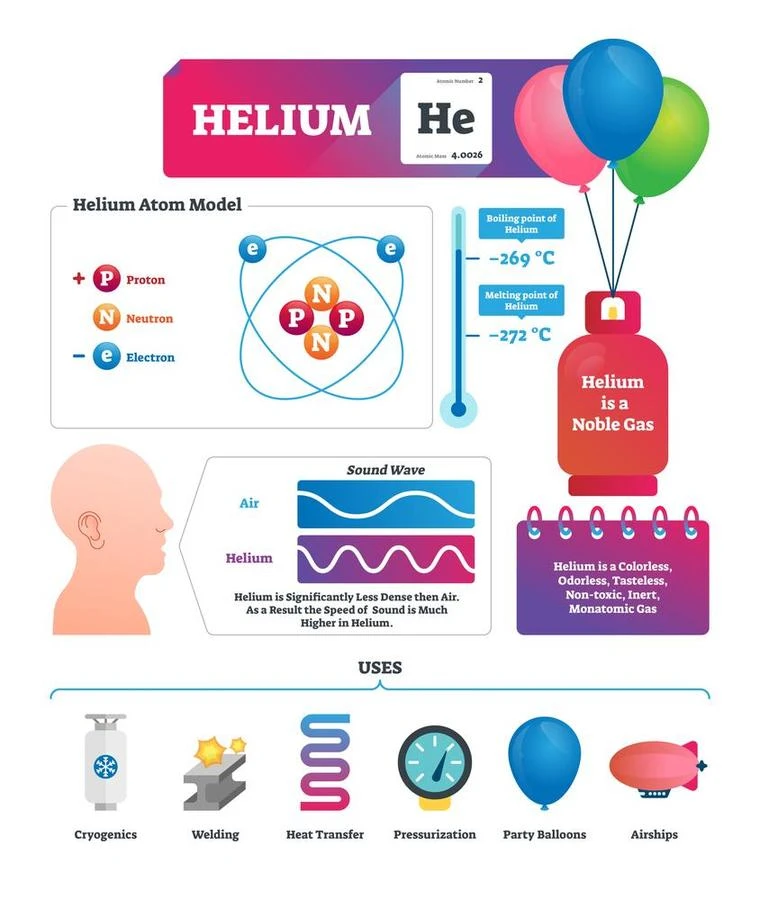
  • Melting point and boiling point: Due to very poor interatomic interaction, the melting point and boiling point of noble gases are very low as compared to other elements in the periodic table. Among them, helium has the lowest boiling point of -268.9 ℃. At room temperature, all these elements are in gaseous form. 
  • Density: Usually the density of these noble gases is very low. But on descending the group, density increases as mass increases. Radon has the highest density among them. 
  • Solubility: Noble gases dissolve in water at a very low extent. The dipole-dipole interaction is the main reason for their solubility in water. On moving down the group solubility increases. 

Chemical properties of noble gases

  • The valence shells of noble gases are completely occupied. So, they are inert.
  • Noble gases are very stable and always stay in the ground state energy level.  
  • Only krypton, radon, and xenon can react chemically with high electronegative elements. 
  • Noble gases are inflammable. 
  • They have a very good electricity-conducting nature so they are also used as fluorescence material.  

Application of Noble gases

Helium

  • Due to its low density, helium is utilized to fill airships and colorful balloons.
  • At -269℃, helium can boil. Due to its low boiling point, it functions as a very effective coolant. Electrical resistance is lost.
  • Sea divers carry tanks with a mixture of helium and oxygen in them. The divers can breathe in a nitrogen-free environment as a result, and deep diving nitrogen narcosis is prevented.
  • Superconducting wires are used in the coil of MRI machines to carry huge electric currents. Strong magnetic fields could form as a result of the electric currents. Helium assists in lowering the conducting coils’ temperature to the point where superconducting qualities may be seen.
lead magnet

Neon

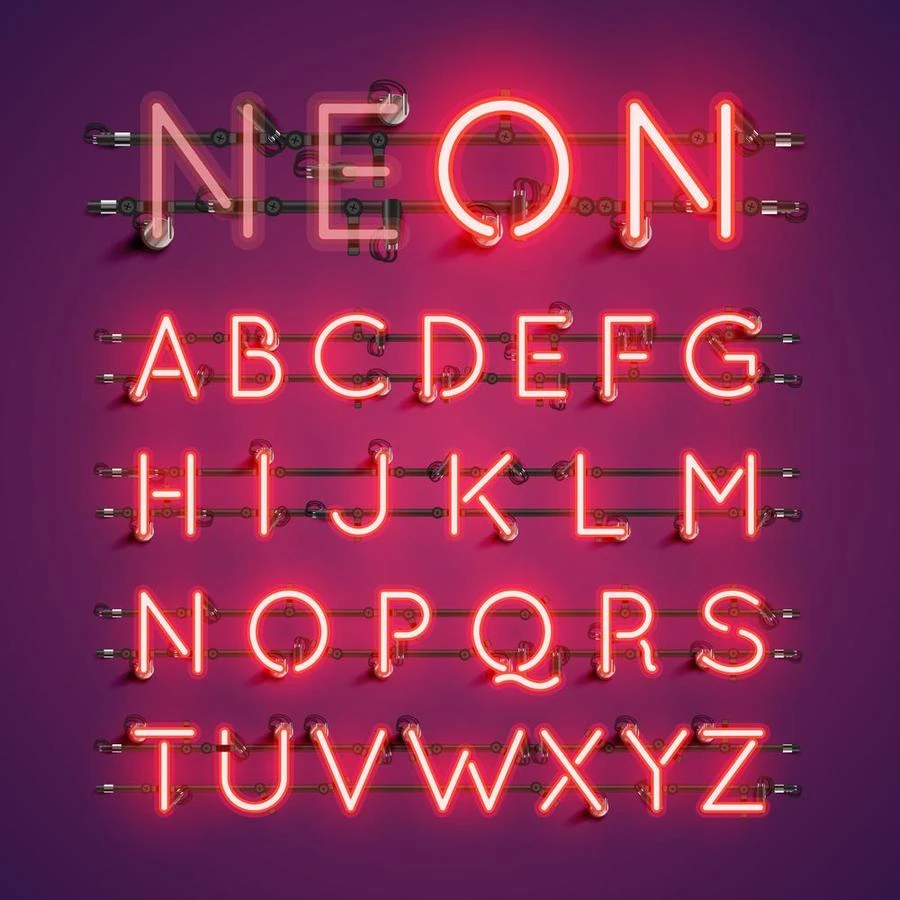
  • Neon used in vacuum discharge tubes receives electrical energy and glows as a result neon is utilized in displays.
  • Lasers are made from neon and helium.

Argon 

  • For both incandescent and fluorescent bulbs, it is a crucial element. Because it won’t react with a tungsten coil, it is utilized in incandescent light bulbs instead of air.
  • It provides an inert insulating condition for titanium fabrication where arc welding is used. 
  • It is used to create the conditions devoid of oxygen required to grow semiconductor crystals.

Krypton 

  • This gas has a very useful role in advertising signboards because it shines brightly when electricity is passed through krypton vapor inside a vacuum discharge tube.
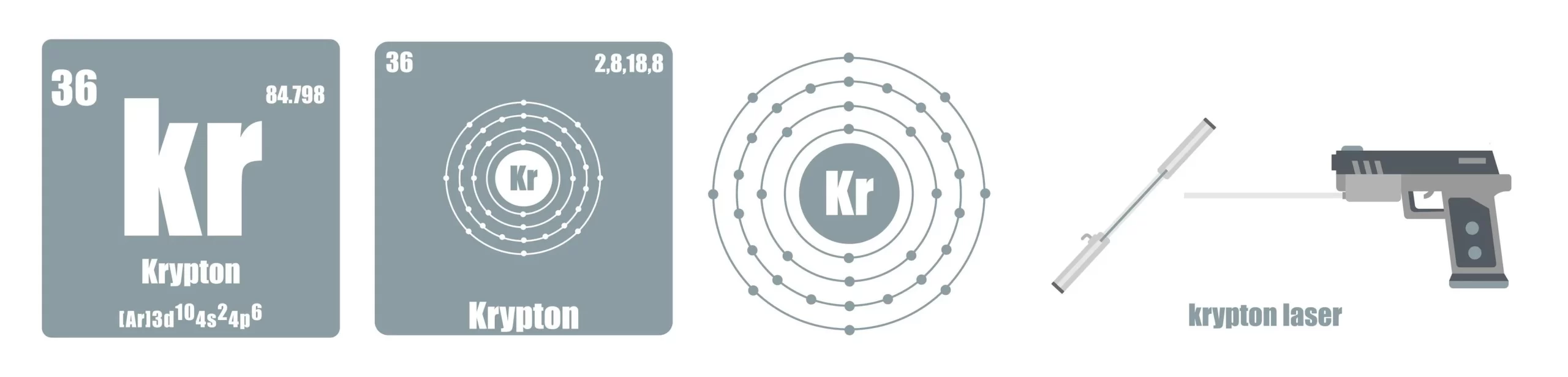
  • Krypton lasers are used during surgery to cure some eye conditions and to remove birthmarks.
  • High-speed photography frequently uses argon and krypton to create photo flashes.

Xenon 

  • Bacteria-contaminated surfaces can be eliminated by the illumination produced by xenon lamps.
  • It produces a bright white light that flashes, making it ideal for creating strobe lights.
  • To increase the clarity in CT scan imaging, oxygen and xenon are combined.

Radon

  • When it is dissolved in water, it can treat inflammatory disorders such as arthritis.
  • Radon’s inherent radioactivity promotes cancer treatment. Direct placement of radon glass vials is one method of performing targeted radiation therapy.

Summary 

The periodic table’s right-hand end column is where noble gases can be found. Helium, neon, argon, krypton, xenon, and radon are all non-metals and can also be referred to as inert or “noble gases”. The sizes of atoms of these gases increase as one descends from helium to radon.  The density, melting, and boiling temperatures of the noble gases are extremely low, and they are insoluble in water. Noble gases are all odorless, colorless, and poor heat conductors. They have a very low reactivity to chemicals and are combustible.

Frequently Asked Questions

1. What distinguishes radon from other noble gases?

Ans. The heaviest noble gas, radon (Rn), is radioactive and occurs naturally as a byproduct of the disintegration of radium, thorium, and uranium. As a result, radon is unique among noble gases.

2. What occurs when an electric current travels through noble gases?

Ans: Because of their chemical inertness, noble gases are employed in displays. When an electric current is applied inside a vacuum discharge tube, they emit a dazzling glow.

3. What are the common characteristics of periodic groups?

Ans: A set of periodic tables’ elements share similar chemical characteristics that result from the existence of many electrons. It takes into account the number of valence electrons an atom has in its outer shell.

Left Ventricle Vs Right Ventricle

Introduction

The human heart has four chambers that  are crucial to the circulatory system and the left and right ventricles are two of them. The blood is pumped throughout the body and to the lungs, where it is oxygenated, by the left and right ventricles working in tandem. The two ventricles cooperate to effectively remove wastes like carbon dioxide from the body and to keep the body’s blood oxygen-rich at all times.

Circulatory system

The circulatory system’s main job is to deliver blood, oxygen, and nutrition to the body’s cells and remove waste materials. The circulatory system is in charge of keeping the body’s internal environment, or homeostasis, stable.

Here’s how the circulatory system accomplishes its main functions:

  1. Transporting oxygen: Blood pumped by the heart is rich in oxygen, which is essential for the cells of the body to function properly. The circulatory system carries oxygen to all parts of the body through the arteries and capillaries.
  2. Transporting nutrients: The blood also carries nutrients, such as glucose and amino acids, to the cells of the body to provide energy and support growth and repair.
  3. Removing waste products: The circulatory system removes waste products, including carbon dioxide and urea, from the body by transporting them to the kidneys, liver, and lungs for elimination.
  4. Regulating temperature: It helps to regulate body temperature by transporting heat from the skin, which is the body’s main source of heat loss.
  5. Supporting immune function: The circulatory system supports the immune system by transporting white blood cells to areas of the body where they are needed to fight infection.

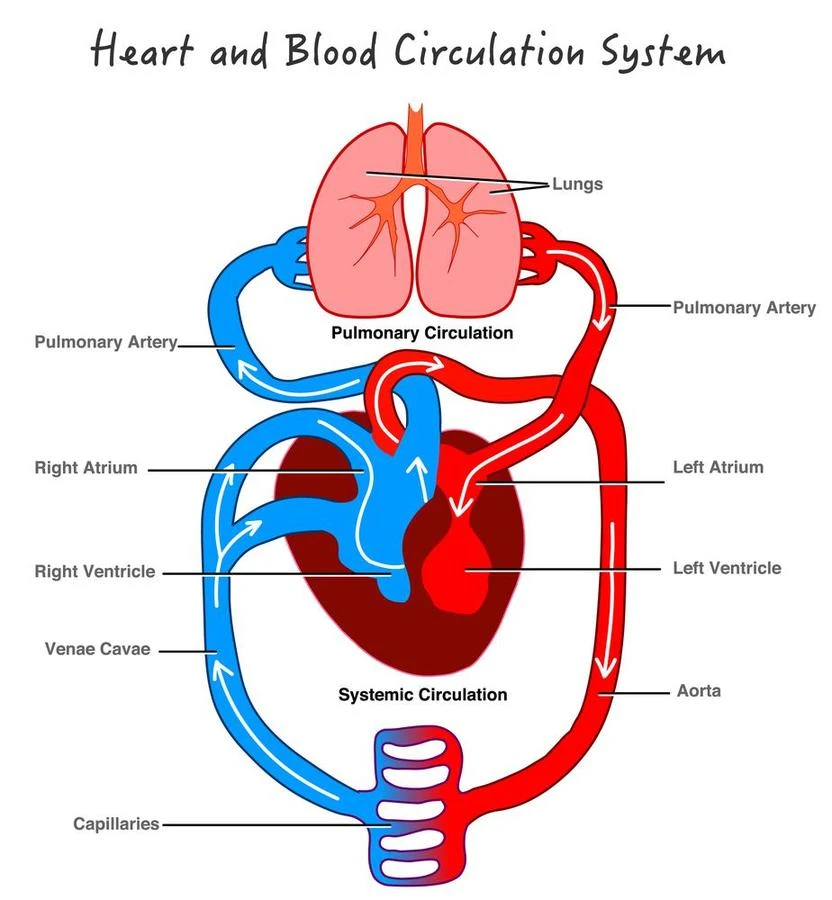
Diagram of circulatory system blood flow

Difference Between Left And Right Ventricle

Anatomy of the Left and Right Ventricle

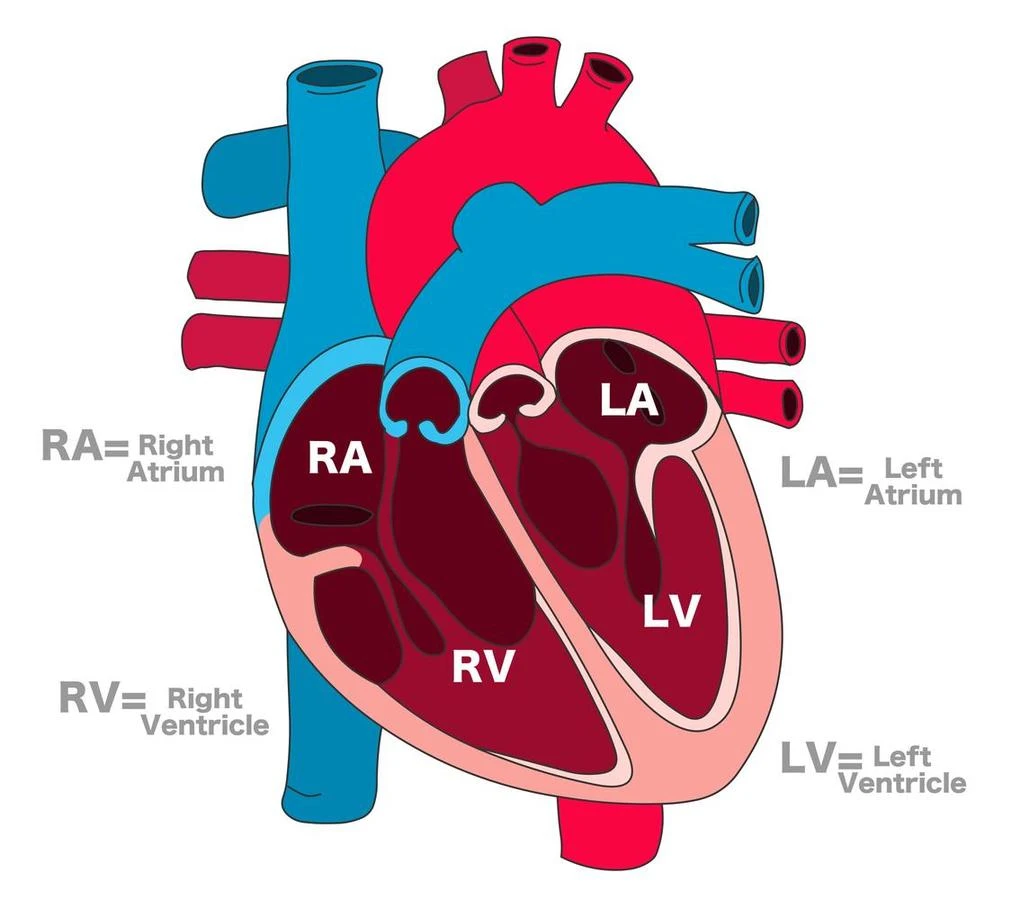
The left ventricle is present at the lower left part of the heart and is the thickest chamber. It receives blood rich in oxygen from the left atrium and pumps it out by  the aortic valve, transporting it to the rest of the body. The right ventricle is present in the lower right part of the heart and is thinner compared to the left ventricle. The oxygen-deficient blood enters from the right atrium and pumps it out by the pulmonary valve to the lungs to pick up oxygen.

The left ventricle have much thicker because it has to pump blood to the rest of the body, thus requires more force. The left ventricle circular shape, compared to right ventricle, which is crescent-shaped.

Function 

The role of the left ventricle is pumping oxygen-rich blood to the rest of the body. This is done by contracting forcefully to create pressure that drives the blood out of the heart and into the aorta. The left ventricle also has a unique structure that allows it to maintain a high pressure for a longer period of time. This is because it has a thicker wall and a more efficient pumping mechanism than the right ventricle.

On the other hand, the right ventricle play a role in pumping oxygen-poor blood to the lungs. It does this by contracting and creating pressure that drives the blood out of the heart and into the pulmonary arteries, which carry the blood to the lungs. The right ventricle has a thinner wall than the left ventricle because it does not need to generate as much force to move blood to the lungs.

Conclusion

The circulatory system is made up of heart, arteries and blood. It delivers nutrients and oxygen to our body’s cells. Additionally, it eliminates waste materials like carbon dioxide. While the ventricle pumps blood out of the human heart, the auricles in mammals collect blood returning to the heart. Circulation is the continual flow of nutrients and waste materials through blood arteries. Maintaining heart health is crucial for our hearts to work properly.


Frequently Asked Questions 

1. What is double circulation?

Double circulation is a term used to describe the circulatory system of the human heart, in which blood flows twice through the heart before being supplied to the body. It involves two separate circulations of blood: pulmonary circulation and systemic circulation. Double circulation ensures that the oxygen-rich blood from the lungs is efficiently supplied to the body, while at the same time, the deoxygenated blood from the body is quickly returned to the lungs to be re-oxygenated.

2. Do humans have an open or closed circulatory system?

The human have a closed circulatory system. In this, the blood is separated from the tissues and organs by the walls of the blood vessels. 

3. What is a tricuspid valve?

Three unevenly shaped flaps make up the tricuspid valve. It is located between the right ventricle and right atrium, stops blood from flowing backward.

Difference Between Left And Right Kidney

Introduction 

Excretion is the process by which wastes and surplus fluid are eliminated from the bloodstream by generating urine in terms of the kidneys. The left and right kidneys are two of the body’s main organs involved in the excretion process. Despite being anatomically similar, there are some slight differences between the left and right kidneys.

What is Kidney?

The kidney is a vital organ in the human body that plays several important roles in maintaining good health. Filtering waste and extra fluid from the bloodstream, maintaining electrolyte balance, and generating hormones that control blood pressure and promote the creation of red blood cells are some of its essential duties as regulating the body’s acid-base balance. There are two kidneys, located on either side of the spine in the lower back, that work together to perform these functions. 

The right and the left kidney are two main types. Both kidneys are nearly identical in size and shape and perform the same functions. They are responsible for filtering waste and excess fluid from the bloodstream, balancing electrolytes, releasing hormones that control the body’s acid-base balance, and blood pressure, and stimulating red blood cell synthesis.

Structure of Kidney

The structure of the human kidney is composed of several different parts that work together to perform its various functions. Some of the key parts of the kidney include:

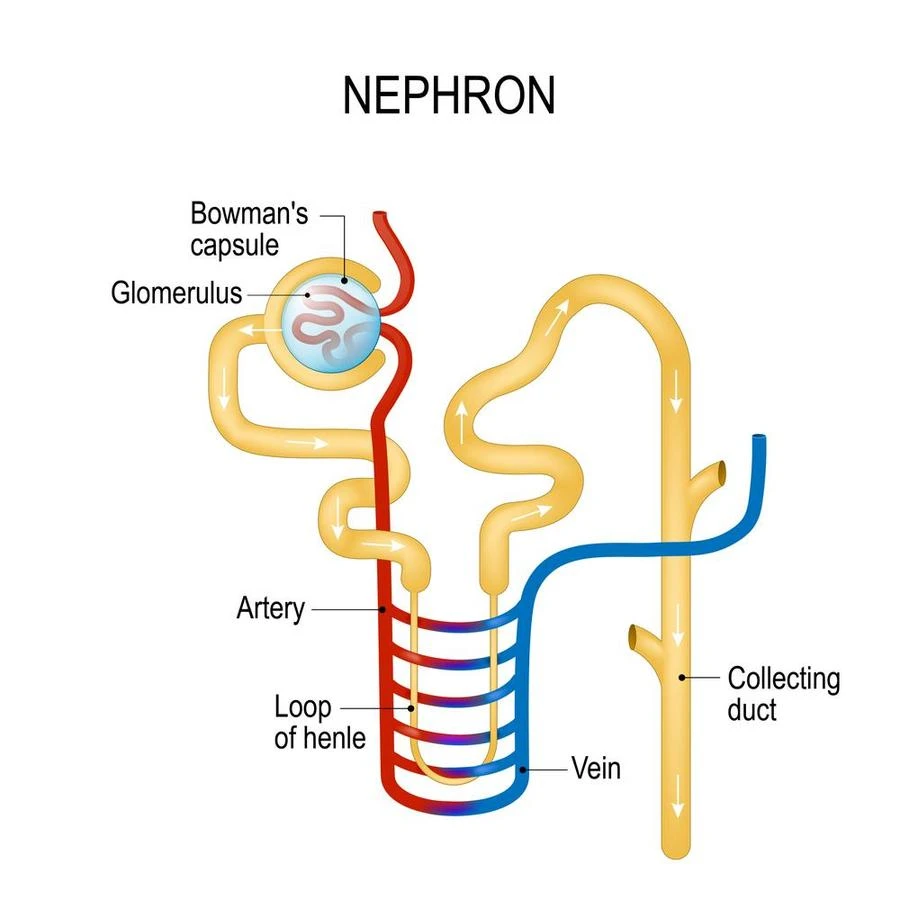
  1. Nephron: The fundamental structural and operational component of the kidney is the nephron. Each kidney contains a little over a million nephrons. Reabsorbing beneficial substances like glucose and amino acids into the bloodstream, the nephron filters the blood.
  2. Bowman’s capsule: It surrounds the glomerulus, a network of tiny blood vessels, and helps to filter waste and excess fluid from the bloodstream into the renal tubules.
  3. Renal tubules: The renal tubules are a series of tubes that carry waste and excess fluid from the Bowman’s capsule to the ureter. Reabsorbing beneficial molecules like glucose and amino acids back into the bloodstream is another function of the renal tubules.
  4. Ureter: The ureter is a tube that carries urine from the kidney to the bladder.
  5. Renal pelvis: Urine from the renal tubules is collected by the renal pelvis, a funnel-shaped organ, and is then directed into the ureter.
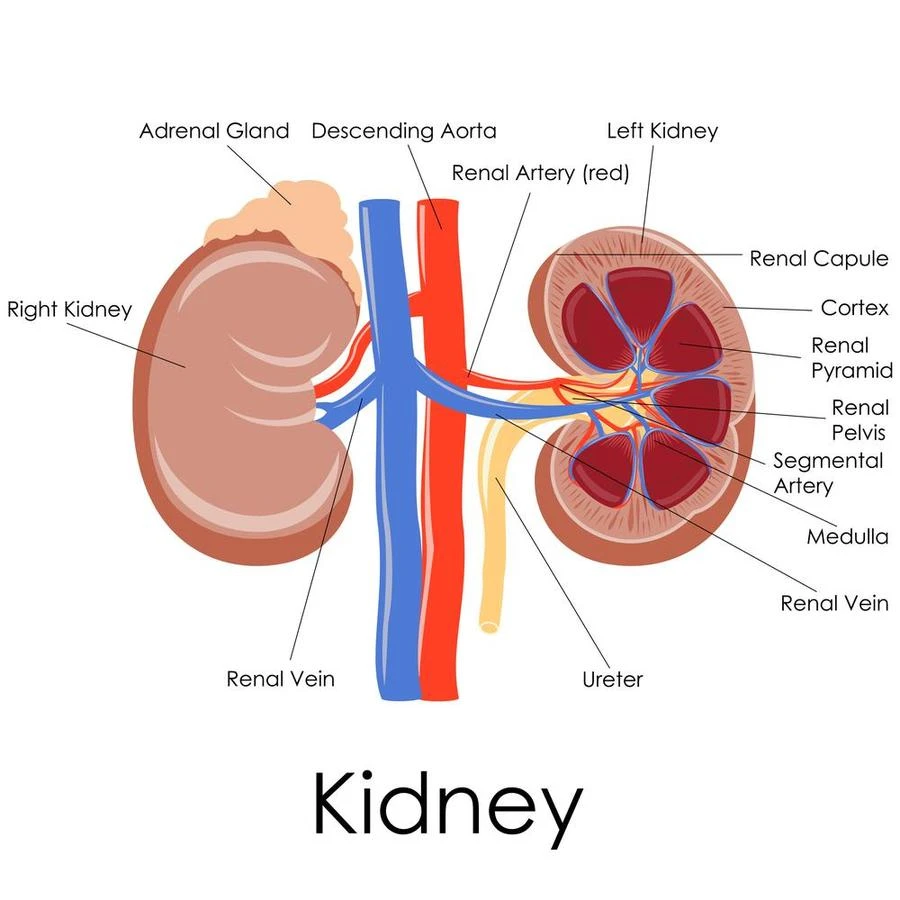
  6. Blood vessels: The kidney is supplied with blood by the renal arteries and drains into the renal veins. The blood vessels play a crucial role in filtering waste and excess fluid from the bloodstream and in regulating blood pressure.

structural view of both the kidney

Functions of the kidney

The kidneys are essential organs that perform several important functions in the human body, including:

  1. Filtering waste and excess fluid: Urine is produced by the kidneys as they filter waste and extra fluid from the bloodstream for elimination. This aids in preserving the body’s proper fluid and electrolyte balance.
  2. Balancing electrolytes: The kidneys help to regulate the levels of various electrolytes, such as sodium, potassium, and calcium, in the bloodstream.
  3. Regulating blood pressure: The kidneys produce hormones that regulate blood pressure by controlling the amount of fluid in the bloodstream.
  4. Stimulating red blood cell production: Erythropoietin, a hormone produced by the kidneys, encourages the bone marrow to create more red blood cells.
  5. Regulating acid-base balance: The kidneys help to regulate the body’s acid-base balance by removing excess acid or base from the bloodstream.
  6. Producing active vitamin D: Vitamin D is made active by the kidneys, which also aids in calcium absorption and the maintenance of healthy bones.

Nephron structure used in urine filtration

Maintenance of the kidney

To maintain good kidney health, there are several steps you can take, including:

  1. Staying hydrated: Drinking plenty of water helps to flush waste and excess fluid from the kidneys and maintain good kidney function.
  2. Eating a healthy diet: A diet high in fruits, vegetables, and whole grains and low in salt can support kidney function.
  3. Managing chronic conditions: It’s crucial to appropriately treat chronic conditions like diabetes or high blood pressure if you want to reduce their negative effects on your kidney health.
  4. Avoiding harmful substances: Substance abuse, such as heavy alcohol consumption and smoking, can harm kidney health.
  5. Exercising regularly: Regular exercise can help to improve circulation and maintain good kidney health.

Difference Between Left And Right Kidney

The left and right kidneys are almost identical in anatomy and function, with a few minor differences:

  1. Location: Due to the liver’s structure, the right kidney is situated slightly lower than the left kidney.
  2. Size: The two kidneys are generally of similar size, but in some people, one kidney may be slightly larger or smaller than the other.
  3. Blood supply: The left and right renal arteries have slightly different origins and branching patterns, but both supply the kidneys with blood and oxygen.
  4. Drainage: While the left kidney drains into the left renal vein, the right kidney drains into the inferior vena cava.

Conclusion

The kidneys are the bean-shaped structures on either side of the spine behind our stomach. It is our body’s major excretory organ. It eliminates metabolic waste from our bodies through urine. Filters the blood as well. Nephrons are the kidney’s structural unit. Individuals with serious health problems are at risk of damaging one or both kidneys. In the event that one kidney fails, the excretory function can be performed normally by the other kidney. Death might result from complete renal failure in both kidneys. In this scenario, dialysis should be attempted first, and if that fails, kidney transplantation should be considered.

Frequently Asked Questions 

1. What are some diseases related to Kidneys?

Many diseases and conditions can affect the kidneys and their ability to function properly. Some of the most common kidney-related diseases include:

  1. Chronic Kidney Disease
  2. Glomerulonephritis
  3. Acute Kidney Injury 
  4. Polycystic Kidney Disease 
  5. Nephrotic Syndrome
  6. Nephritis
  7. Kidney Stones

2. What is the role of electrolytes in the kidney?

The body’s electrolyte balance is crucially maintained by the kidneys. Electrolytes are minerals that carry an electrical charge and are necessary for numerous bodily processes, including sodium, potassium, calcium, and magnesium. The kidneys help regulate the levels of electrolytes in the blood by filtering the blood and reabsorbing the electrolytes that are needed by the body, while excreting the excess through urine.

3. What is the role of the kidney in osmoregulation?

Osmoregulation, or the control of the water balance and electrolyte content in the body, is a critical function of the kidneys. To maintain the right balance of electrolytes, such as sodium and potassium, in the blood, the kidneys filter the blood and remove extra water, salt, and waste materials. Through the reabsorption of ions and water, the kidneys actively manage the balance of water and electrolytes in the body in addition to filtering.

Difference Between Kwashiorkor And Marasmus

Introduction

Kwashiorkor and marasmus are two forms of malnutrition that occur primarily in young children in developing countries. Kwashiorkor is often seen in areas where there is adequate caloric intake but a limited variety of foods, such as in some developing countries. While Marasmus is often seen in populations affected by poverty, famine, and war, where there is limited access to food in general. Both kwashiorkor and marasmus are preventable and treatable, and early intervention is key to improving a child’s prognosis. 

lead magnet

Kwashiorkor

  • Kwashiorkor is a form of severe malnutrition that primarily affects young children in developing countries. It is caused by a deficiency of protein in the diet and is typically accompanied by a lack of essential vitamins and minerals.
  • Symptoms: The most noticeable symptom of kwashiorkor is edema, or the swelling of the extremities, which is caused by a buildup of fluid in the body due to a lack of protein. Other symptoms include thinning hair, a bloated abdomen, skin lesions, and muscle wasting. In severe cases, kwashiorkor can lead to stunted growth, anemia, and even death.
  • Kwashiorkor is a preventable and treatable condition, and early intervention is key to improving a child’s prognosis. This often involves providing a diet that is rich in protein and other essential nutrients, as well as addressing any underlying medical conditions that may be contributing to malnutrition. In some cases, supplementation with vitamins and minerals may also be necessary.
Child suffering from malnutrition condition with swollen belly
Kwashiorkor

Diagnosis

Kwashiorkor is diagnosed based on a combination of clinical and laboratory findings, as well as dietary information.

  • The primary diagnostic criteria for kwashiorkor include edema, changes in hair color and texture, skin lesions, and a distended abdomen. A healthcare provider will also typically ask about the child’s diet and check for signs of anemia, muscle wasting, and stunted growth.
  • Laboratory tests that may be performed to confirm a diagnosis of kwashiorkor include a complete blood count, serum protein levels, and liver function tests. These tests can help determine the extent of the protein and nutrient deficiency and identify any underlying medical conditions that may be contributing to the malnutrition.

Marasmus

  • Marasmus is a form of severe malnutrition that results from a deficiency of both energy and protein in the diet. It primarily affects young children in developing countries and is a major contributor to childhood morbidity and mortality.
  • Symptoms: The main symptoms of marasmus include severe weight loss, stunted growth, and muscle wasting. The child may also appear thin and frail, with loose and wrinkled skin, and have a diminished appetite. In severe cases, marasmus can lead to weakness, fatigue, anemia, and even death.
  • Marasmus is caused by a diet that is lacking in both calories and protein and is often seen in populations affected by poverty, famine, and war. The condition is preventable and treatable, and early intervention is key to improving a child’s prognosis.
Marasmus

Diagnosis

  • Marasmus is diagnosed based on a combination of clinical and laboratory findings, as well as dietary information.
  • The primary diagnostic criteria for marasmus include severe weight loss, stunted growth, and muscle wasting. A healthcare provider will also typically ask about the child’s diet and check for signs of weakness, fatigue, anemia, and other symptoms of malnutrition.
  • Laboratory tests that may be performed to confirm a diagnosis of marasmus include a complete blood count, serum protein levels, and liver function tests. These tests can help determine the extent of the energy and protein deficiency and identify any underlying medical conditions that may be contributing to malnutrition.
lead magnet

Difference Between Kwashiorkor And Marasmus

Kwashiorkor and marasmus are both forms of malnutrition, but they have some key differences.

  • Kwashiorkor is caused by a deficiency of protein in the diet, whereas marasmus is caused by a deficiency of both energy (calories) and protein. Kwashiorkor is characterized by edema (swelling), changes in hair color and texture, skin lesions, and a distended abdomen, whereas marasmus is characterized by severe weight loss, stunted growth, and muscle wasting.
  • Another important difference between the two conditions is their prevalence. Kwashiorkor is more commonly seen in areas where there is adequate caloric intake but a limited variety of foods, such as in some developing countries, whereas marasmus is seen in populations affected by poverty, famine, and war, where there is limited access to food in general.
  • Treatment for both conditions involves providing a diet that is rich in energy and protein, as well as addressing any underlying medical conditions that may be contributing to malnutrition. 

Treatment

  • The treatment of Kwashiorkor And Marasmus involves addressing the underlying cause of malnutrition by providing a diet that is rich in protein and other essential nutrients. This often involves incorporating more protein-rich foods, such as meat, dairy products, eggs, and legumes, into the child’s diet. In some cases, supplementation with vitamins and minerals may also be necessary to support recovery.
  • In severe cases of Kwashiorkor And Marasmus, hospitalization may be required to provide supportive care, including fluid and electrolyte replacement, and to monitor the child’s progress. With proper treatment, most children with kwashiorkor can recover fully, although some may experience long-term health consequences if the malnutrition is not treated early and effectively.

Conclusion

Malnutrition, kwashiorkor, and marasmus, primarily affect young children in impoverished nations. Both kwashiorkor and marasmus are preventable and treatable, and early intervention is key to improving a child’s prognosis. It is caused by a deficiency of protein in the diet and is typically accompanied by a lack of essential vitamins and minerals.

Frequently Asked Questions 

1. What disease is a deficiency of protein?

A deficiency of protein in the diet can lead to a type of malnutrition known as protein-energy malnutrition (PEM). PEM can present as two forms of malnutrition, kwashiorkor, and marasmus, which have different symptoms and impacts on the body.

2. Why does Kwashiorkor cause a swollen belly?

Kwashiorkor is a form of malnutrition that results from a lack of protein in the diet. The swelling is caused by the accumulation of fluid in the tissues, a condition known as edema. Edema occurs because of an imbalance between the amount of protein in the body and the amount of fluid in the tissues. 

3. At what age marasmus occurs?

Marasmus typically occurs in children under the age of 5, particularly during the first two years of life when they are most vulnerable to malnutrition. Marasmus is a form of protein-energy malnutrition (PEM) that results from a lack of both protein and energy in the diet.

Difference Between Herbs And Shrubs

Introduction

Herbs and shrubs are characterized by their growth habit and structure. Herbs are small, non-woody plants that typically have delicate leaves and stems. While Shrubs are larger, woody plants that have persistent stems that provide structure and support. Both herbs and shrubs play important roles in ecosystems and provide benefits to human societies. Understanding the differences between herbs and shrubs can help us appreciate the unique characteristics and uses of each type of plant.

Herbs

Herbs are defined as non-woody plants that are valued for their aromatic or flavorful leaves, stems, flowers, or other parts. They are usually smaller in size compared to shrubs and trees, and can grow either as annuals, perennials, or biennials. Herbs play important roles in various ecosystems, serving as food for pollinators, providing habitat for wildlife, and contributing to soil health. The growth and survival of herbs can be influenced by a variety of factors, including light, temperature, water, and soil nutrients.

In addition to their ecological importance, herbs have also been used by humans for thousands of years for medicinal purposes, as spices and flavorings, and as ornamental plants. Studying the biology of herbs can provide important insights into their uses and benefits to human society.

Examples of Herbs

Here are a few examples of herbs:

  1. Basil – a fragrant herb commonly used in Italian cooking
  2. Rosemary – an evergreen herb used for cooking and aromatherapy
  3. Mint – a refreshing herb used in teas, desserts, and sauces
  4. Thyme – a versatile herb used in many savory dishes
  5. Sage – and earthy herb used in stuffing, soups, and sauces
  6. Lavender – a fragrant herb used in perfumes, soaps, and teas
  7. Chives – a mild onion-flavored herb used in salads, soups, and dips
  8. Parsley – a bright green herb used as a garnish and in sauces and soups

Herbal garden with a different type of useful herbs

Shrubs

Shrubs are defined as woody plants that are typically smaller than trees and larger than herbs. They have a persistent woody stem that supports the plant and provides structure. Unlike trees, which have a single main stem (trunk) that supports the entire plant, shrubs have multiple stems that arise from the base of the plant and grow to a more limited height.

Shrubs play important roles in many ecosystems, providing food and habitat for wildlife, stabilizing soil, and helping to maintain biodiversity. They can be found in a variety of habitats, from deserts to wetlands, and can be adapted to different climates and soil types.

Examples of Shrubs

Here are a few examples of shrubs:

  1. Blueberry – a fruiting shrub with sweet, juicy berries
  2. Rhododendron – an evergreen shrub with showy flowers and glossy leaves
  3. Lilac – a deciduous shrub with fragrant flowers
  4. Boxwood – an evergreen shrub often used for hedges and topiary
  5. Azalea – a deciduous shrub with brightly colored flowers
  6. Holly – an evergreen shrub with glossy leaves and red berries
  7. Hydrangea – a deciduous shrub with large clusters of flowers
  8. Spirea – a deciduous shrub with delicate flowers

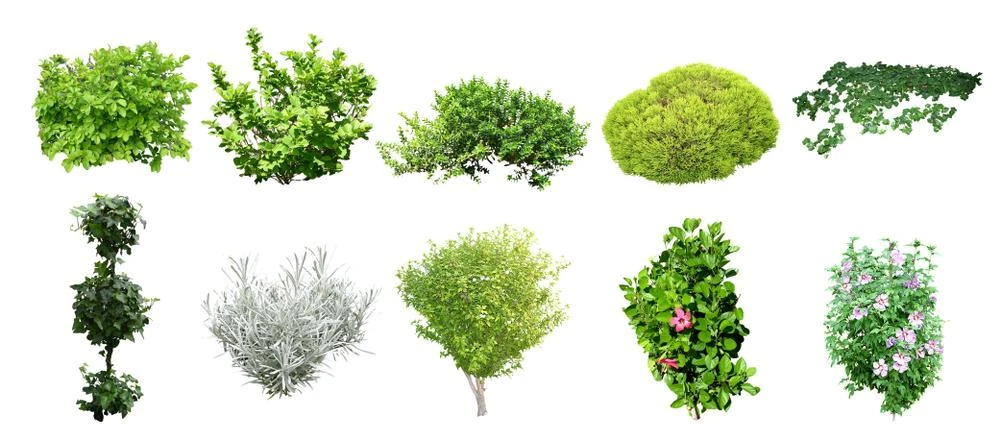
Different types of shrubs are used in gardens and houses

Differences between herbs and shrubs

Herbs and shrubs are both types of plants, but they have some key differences:

  1. Size: Herbs are typically smaller than shrubs and grow to a limited height, whereas shrubs are larger and have a more substantial structure.
  2. Structure: Herbs have non-woody stems that die back to the ground each year, whereas shrubs have persistent woody stems that support the plant and provide structure.
  3. Leaves: Herbs typically have leaves that are fragrant or flavorful and are used for culinary or medicinal purposes, while shrubs have leaves that are often larger and less fragrant.
  4. Flowers and fruits: Both herbs and shrubs can produce flowers and fruits, but the size and type of flowers and fruits can be different. Herbs often have small, delicate flowers, while shrubs often have larger, showy flowers.
  5. Life cycle: Herbs can be annual, biennial, or perennial, meaning that they live for different lengths of time. Shrubs are typically perennial, meaning that they can live for many years.
  6. Uses: Herbs are often used for culinary, medicinal, or aromatic purposes, while shrubs are used as ornamental plants, for wildlife habitat, and erosion control.

Conclusion

Herbs are defined as non-woody plants that are valued for their aromatic or flavorful leaves, stems, flowers, or other parts. The growth and survival of herbs shrubs can be influenced by a variety of factors, including light, temperature, water, and soil nutrients. Herbs play important roles in various ecosystems, serving as food for pollinators, providing habitat for wildlife, and contributing to soil health. Shrubs play important roles in many ecosystems, providing food and habitat for wildlife, stabilizing soil, and helping to maintain biodiversity. 


Frequently Asked Questions 

1. What are climbers?

Climbers are a type of plant that have stems that grow vertically and need support to reach the sunlight. Climbers are also known as vines and they are characterized by their ability to attach themselves to other structures, such as trees, fences, or walls, to reach the light they need to grow and flourish.

2. What is called uprooting?

Uprooting refers to the removal of a plant from the ground, along with its roots. This can be done for a variety of reasons, such as to relocate the plant, eliminate unwanted plants from a garden or landscape, or clear land for construction or farming purposes.

3. What are herbs, shrubs and trees with examples?

Herbs, shrubs, and trees are all types of plants that can be distinguished based on their size and structure.

  • Herbs are small, non-woody plants that die back to the ground after flowering. Examples of herbs include basil, mint, cilantro, and rosemary.
  • Shrubs are larger than herbs but smaller than trees, and they have multiple stems that are woody and persist above the ground. Examples of shrubs include azaleas, hydrangeas, and rhododendrons.
  • Trees are large, woody plants that have a single, continuous stem, or trunk, that supports branches and leaves. Examples of trees include oak trees, maple trees, and apple trees.